What Are the 2026 Best Stacking Systems for Buyers?

Time:2026-10-28 Author:Aria
0%

Choosing the right Stacking Systems in 2026 requires more than comparing prices, photos, or promised storage capacity. Buyers need dependable evidence, practical experience, and clear performance data. This guide examines systems for homes, warehouses, workshops, and commercial spaces. It considers load ratings, frame strength, locking mechanisms, access height, floor compatibility, and long-term maintenance. Small details matter. A slightly uneven floor can affect stability. A poorly placed latch can slow daily work.

The strongest options should provide tested specifications, understandable installation instructions, and responsive after-sales support. Manufacturer claims deserve careful checking against independent reviews, product certifications, warranty terms, and real user feedback. Material quality also matters. Powder-coated steel may resist scratches, while reinforced joints can reduce movement under repeated loads. However, no system suits every buyer. A compact design may save space but limit access. A heavy-duty model may offer strength but increase installation difficulty and delivery costs.

This overview aims to help buyers compare confidently, not blindly follow a ranked list. Some conclusions may change as new products and testing methods appear. That is worth admitting. Performance can also vary with assembly quality, climate, floor condition, and usage habits. Buyers should measure their available space, calculate expected loads, and request technical documents before ordering. Safety comes first. A well-chosen system should remain stable, practical, serviceable, and suitable for its actual environment.
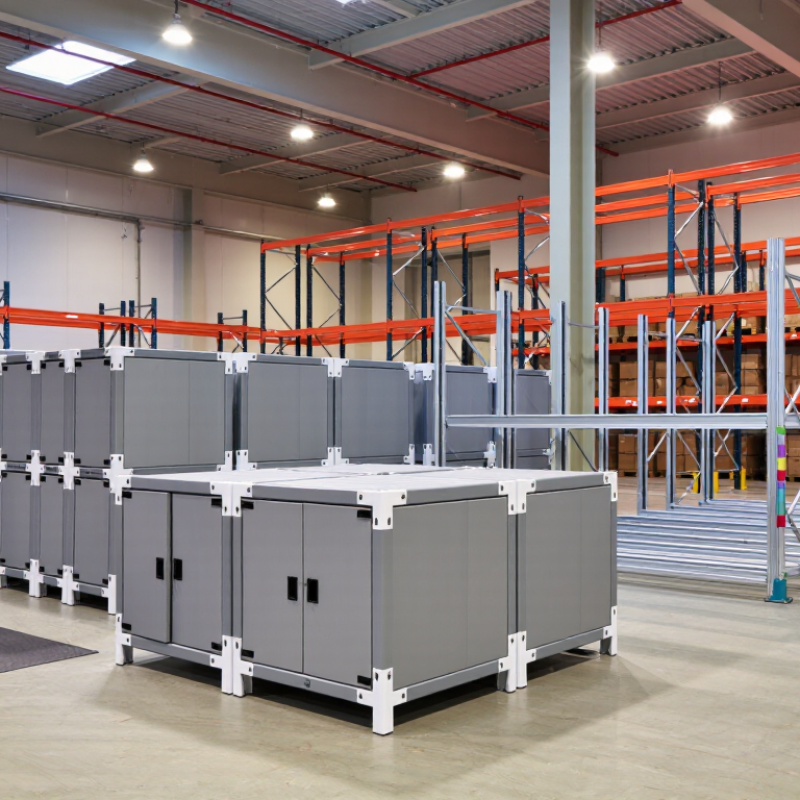
What Are the 2026 Best Stacking Systems for Buyers?

Understanding What Stacking Systems Are and How They Work

What Are the 2026 Best Stacking Systems for Buyers?

A stacking system is a structured method for placing goods vertically, safely, and efficiently. It may use frames, pallets, shelves, or removable supports. The design transfers weight downward through strong beams and stable floor points. Workers can then store more inventory without expanding the building.

In 2026, buyers should compare adjustable pallet frames, mobile stacking racks, and modular shelf systems.

Adjustable pallet frames Adjustable frames suit changing carton sizes and seasonal stock.

Mobile stacking racks Mobile racks can reduce unused aisle space, but they need smooth floors and careful movement controls.

Modular shelf systems Modular shelves work well for smaller items, especially near packing stations.

Check the rated load, steel thickness, locking points, and available spare parts. Do not trust appearance alone.

Measure the warehouse before ordering. Record ceiling height, aisle width, floor condition, and average load weight. Leave room for forklifts, lighting, sprinklers, and human movement. A system that looks efficient on paper may become awkward during a busy shift. That matters.

Reliable buyers also request load-test documents, installation guidance, and maintenance instructions. Ask how damaged frames are inspected and replaced. Poor alignment can create dangerous pressure on joints.

I have seen teams focus on maximum capacity while ignoring daily access. That mistake is easy to repeat.

No system is perfect. A lower-cost design may require more labor, while a faster system may need stricter training and inspections. Compare the full operating cost, not only the purchase price.

Key Types of Stacking Systems Available to Buyers in 2026

In 2026, buyers can choose from several stacking systems, each suited to different warehouse conditions. Floor stacking places loaded pallets directly on the ground. It costs less and works well for stable products with limited stock rotation. However, access becomes difficult when pallets are stored behind one another.

Selective pallet racking offers direct access to every pallet and remains a practical choice for mixed products. Drive-in racking increases storage density by reducing aisles, but it needs consistent pallet sizes and careful forklift operation. Push-back racking stores pallets on inclined rails, allowing several positions by depth. It can improve space use, although older stock may remain hidden. Cantilever systems suit long materials such as pipes, timber, and metal profiles. Their arms need accurate load calculations, especially when loads vary in length.

Automated stacking systems can improve tracking and reduce manual travel. They require dependable software, stable power, suitable floors, and trained maintenance staff. A buyer should compare load weight, pallet dimensions, ceiling height, turnover rate, and aisle width before choosing. Engineers should verify frame capacity, anchoring, guarding, and emergency access against applicable local standards. Clear load signs matter.

The cheapest system is not always economical. A dense layout may slow picking. I have seen plans that looked efficient on paper but created awkward forklift turns. A small pilot area can reveal these problems before full installation. Regular inspections and documented repairs should remain part of the purchase decision, not an afterthought.

What Are the 2026 Best Stacking Systems for Buyers?

Key types of stacking systems available to buyers in 2026, compared by typical rated capacity and lift height.

The values shown are representative midpoints of commonly published industry operating ranges. Actual specifications vary by configuration, load center, aisle width, battery system, and safety requirements. Walkie and straddle stackers suit lower-volume operations, reach trucks support high-density racking, counterbalance forklifts offer flexible outdoor and indoor handling, and automated stacker cranes are designed for high-bay storage.

How to Compare Capacity, Materials, Safety, and Ease of Use

What Are the 2026 Best Stacking Systems for Buyers?

Choosing a stacking system in 2026 starts with usable capacity, not the largest advertised number. Measure the actual space, including doors, handles, and clearance for removal. A tall unit may hold more, but it can become awkward when reaching the top shelf. Check weight ratings for each level, not only the total capacity. Heavy boxes should sit low, while frequently used items need comfortable access.

Materials reveal how a system may perform over time. Powder-coated steel usually handles impact well, while aluminum reduces weight and resists rust. Reinforced polymers can work in damp areas, but heat and sunlight may weaken some parts. Look for smooth edges, stable joints, and surfaces that are easy to clean. Do not trust appearance alone. A thick frame can still have weak connectors.

Safety deserves a hands-on check. Test locking pins, anti-tip features, shelf stability, and any pinch points before regular use. The base should remain steady on the intended floor, even when the load shifts slightly. Follow the stated installation instructions and confirm current safety documentation from the seller or manufacturer. Ease of use matters too: clear labels, tool-light assembly, adjustable shelves, and accessible replacement parts reduce frustration. My own measurements are sometimes imperfect, especially in narrow rooms. That is worth admitting. Real homes rarely match laboratory conditions.

Evaluating Installation Needs, Maintenance Costs, and Long-Term Value

The best stacking systems for 2026 should fit your space, workflow, and future growth. Buyers need more than a low purchase price. Installation requirements can change the real budget quickly. Check floor strength, ceiling clearance, access routes, and equipment compatibility before ordering. A system that looks compact may require reinforced flooring or specialist installation. That detail is easy to miss.

Maintenance costs also shape long-term value. Choose systems with replaceable components, accessible fasteners, and clear inspection instructions. Regular checks should cover frames, locking points, wheels, platforms, and protective coatings. In busy facilities, damaged parts must be easy to identify. Ask suppliers for service schedules, spare-part availability, and training records. Reliable documentation shows professional control, although it does not guarantee perfect performance. Human inspection still matters.

Tips: Measure the installation area twice. Leave room for safe movement and future expansion. Request a written estimate covering delivery, assembly, inspections, and repairs. Compare five-year ownership costs, not only the purchase price. A cheaper system may become expensive when adjustments are frequent. Also, test a sample unit with real loads before committing. This practical trial can reveal awkward handling, poor visibility, or unstable stacking. No calculation replaces experience. Yet even experienced buyers can overlook changing workloads, so review the decision annually.

Choosing the Best Stacking System for Different Buyer Requirements

The best stacking system in 2026 depends on the buyer’s operation, not a popular specification. A small warehouse with mixed cartons may need adjustable frames, removable shelves, and clear load labels. These features support changing inventory without rebuilding the entire layout. Buyers should measure ceiling height, aisle width, pallet dimensions, and floor strength before comparing prices. A system that fits on paper may block turning space in daily use.

High-volume facilities often benefit from powered stacking equipment or guided storage systems. These options can reduce walking time and improve stock accuracy. However, they require trained operators, reliable maintenance, and stable power access. For seasonal businesses, modular units may be more practical. They can expand during peak months and move when demand falls. Check the working load for each level, not only the total structure. One overloaded shelf can affect the whole arrangement.

Safety details deserve close attention. Look for visible inspection points, locking mechanisms, impact protection, and written installation guidance. Ask suppliers for test records and realistic service intervals. A low purchase price can hide costly repairs. I have also seen buyers choose maximum capacity when their real need was easier access. That decision looked efficient, but workers later handled cartons awkwardly. No system is perfect. The right choice balances capacity, retrieval speed, staff habits, available space, and future changes. Allowing a small redesign budget may prevent a much larger replacement later.

FAQS

What is a stacking system?

It stores goods vertically using frames, pallets, shelves, or removable supports. Weight moves downward through strong beams and stable floor points. This saves building space.

Which stacking system suits changing inventory?

Adjustable pallet frames suit changing carton sizes and seasonal stock. Their levels can be repositioned as products change. Check locking points carefully.

When are mobile stacking racks useful?

Mobile racks can reduce unused aisle space. They need smooth floors, controlled movement, and trained operators. A rough floor may create problems.

What should buyers measure before ordering?

Measure ceiling height, aisle width, floor condition, and average load weight. Also allow space for forklifts, lighting, sprinklers, and people. A crowded aisle slows daily work.

Which system works well for mixed products?

Selective pallet racking gives direct access to each pallet. It suits warehouses storing different products with varied turnover rates. Convenience matters.

How can businesses improve storage density?

Drive-in racking reduces aisle space and increases storage density. It works best with consistent pallet sizes and careful forklift operation. Older stock may become harder to reach.

What system suits long materials?

Cantilever systems suit pipes, timber, and metal profiles. The arms need accurate calculations when material lengths or weights vary. Do not guess capacity.

Are automated stacking systems always the best choice?

No. They may reduce manual travel and improve tracking. However, they need dependable software, stable power, suitable floors, and trained maintenance staff. Automation can still fail.

How should buyers compare total costs?

Compare purchase price, labor, training, inspections, repairs, and spare parts. A low-cost design may demand more daily labor. A fast system may require stricter controls.

How can buyers test a layout before installation?

Use a small pilot area before installing the full system. Observe forklift turns, picking speed, access, and worker movement. Paper plans can mislead.

Conclusion

In 2026, Stacking Systems are designed to maximize vertical space while keeping stored items organized, accessible, and secure. This article explains how these systems work and compares common options, including modular racks, adjustable shelving, mobile units, and heavy-duty storage structures. Buyers will learn how to assess load capacity, material quality, stability, safety features, and ease of use according to their intended application.

The guide also examines installation requirements, maintenance needs, expected operating costs, and long-term value. Some systems are suitable for quick self-assembly, while others may require professional installation or reinforced flooring. By considering available space, item weight, usage frequency, budget, and future expansion plans, buyers can select the most suitable solution for their requirements. Whether the priority is compact storage, flexible organization, high capacity, or simplified maintenance, the right Stacking Systems can improve efficiency and deliver dependable value over time.

Aria

Aria

Aria is a dedicated marketing professional with a deep passion for innovative strategies and a keen understanding of our company's product offerings. With a wealth of experience in the industry, Aria excels at crafting engaging content that highlights the unique features and benefits of our......