Global industrial buyers need more than a long supplier list when evaluating Steel Platforms. They need dependable specifications, visible certifications, and realistic delivery information. This guide examines seven leading options for sourcing, comparing, and managing steel platform suppliers across international markets.
The evaluation considers supplier verification, structural grades, fabrication capacity, corrosion protection, load data, and communication quality. Buyers should also inspect welding procedures, dimensional tolerances, inspection reports, and packaging methods. A platform may look strong in a product photo. It still needs evidence behind the image. Incoterms, port access, customs support, and after-sales service can affect the final cost significantly.
Structural engineer Fazlur Rahman Khan offered a useful principle: “A building should be a product of its time and place, but yearn for timelessness.” His words also fit industrial steel procurement. A reliable platform must meet today’s operational demands while supporting future maintenance and expansion. No ranking can suit every project. A mining site may prioritize heavy loads and abrasion resistance, while a warehouse buyer may value modular assembly and quick delivery. I may favor suppliers with stronger documentation, even when their quoted prices are not the lowest. That choice deserves scrutiny. Buyers should verify claims independently, request samples or drawings, and compare delivered costs rather than headline prices. The strongest Steel Platforms combine technical depth, transparent sourcing, and practical support after purchase. Still, performance depends on correct specifications. Even the best supplier cannot rescue an incomplete load requirement or a careless installation plan.
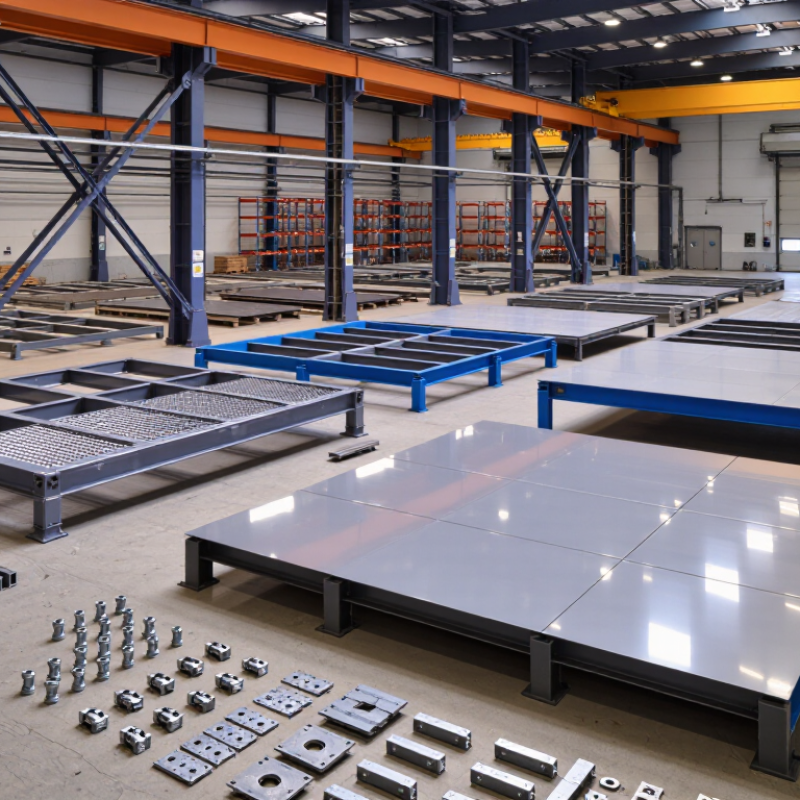
Steel platforms serve global industrial buyers by making complex sourcing decisions more visible. They connect buyers with qualified steel producers, processors, and inspection services across regions. In practical procurement work, a platform is more than a product catalog. It organizes grades, dimensions, production capacity, certifications, and delivery terms. Buyers can compare suppliers before requesting quotations. This saves time and reduces avoidable misunderstandings. Small details matter.
Reliable platforms also support supplier verification. They may display factory information, audit records, test certificates, and transaction histories. These details help buyers judge whether a supplier can meet technical and contractual requirements. Experienced purchasing teams still request original documents and independent inspections. Digital information is useful, but it should not replace professional judgment. I have seen attractive listings fail because tolerances were unclear. That risk deserves attention.
Global buyers also need practical communication tools. Clear inquiry forms can specify steel grade, thickness, surface condition, quantity, packaging, and destination port. Shipment tracking may reveal delays before they affect production schedules. Secure document storage can keep drawings, inspection reports, and purchase records together. Yet platforms are not perfect. Some information may be outdated, translated poorly, or presented without enough context. Buyers should verify critical facts directly and record every agreed specification. A thoughtful platform supports better decisions, but disciplined procurement makes those decisions reliable.
Global industrial buyers need more than a large supplier directory. A steel trading platform should make quality, delivery, and payment risks visible. The World Steel Association reported global crude steel production of about 1.89 billion tonnes in 2023. Such scale increases choice, but it also makes supplier screening harder.
Start with verification. Check company registration, production capacity, export history, and independently reviewed certificates. Product pages should show grade, thickness, tolerance, coating weight, heat number, and inspection records. Vague specifications are a warning. Traceability matters because one missing heat number can delay a warehouse release or weaken a quality claim. The OECD’s 2023 due diligence guidance also supports documented supply-chain checks, not simple supplier promises.
Logistics data deserves equal attention. UNCTAD’s Review of Maritime Transport 2023 noted continuing disruptions and higher uncertainty across shipping routes. A credible platform should provide shipment milestones, port options, estimated lead times, and clear Incoterms. Payment safeguards, staged inspection, dispute procedures, and data protection should be easy to find. Compare landed cost, not only the quoted steel price. This includes freight, duties, testing, storage, and possible rework.
Useful platforms are measurable. Look for response-time records, repeat-order evidence, inspection outcomes, and transparent complaint handling. A platform may display impressive numbers. Numbers can still be selective. Buyers should request current documents and test the process with a small, clearly specified order before scaling. That extra step feels slow, but it often exposes weak documentation early.
7 Best Steel Platforms for Global Industrial Buyers
Profiles of the Seven Leading Steel Platforms
Global steel buyers need more than attractive prices. They need traceable specifications, reliable delivery data, and practical supplier communication. The Integrated Mill Platform suits large orders for coils, plates, and structural grades. It usually provides technical documents, production capacity, and test certificates. The Regional Service Center Platform is useful for smaller volumes. It may offer cutting, slitting, and faster local delivery. The Industrial Marketplace Platform connects buyers with multiple mills and traders. Its strength is price comparison. Its weakness is uneven supplier verification.
The Project Procurement Platform supports construction, energy, and infrastructure contracts. Buyers can match steel schedules with drawings, inspection points, and delivery stages. The Custom Fabrication Platform focuses on processed parts, such as beams, brackets, and welded assemblies. It helps reduce workshop labor but requires careful tolerance checks. Samples matter here. A drawing alone may not reveal production limits.
The Recycled Steel Platform serves buyers seeking lower-impact sourcing. It may show scrap origin, furnace methods, and recycled content records. These claims still require independent evidence. The Regional Export Platform can simplify customs documents, packing standards, and port coordination. Its value depends on accurate lead times and responsive service. No platform is flawless. Data can age quickly, and a low quote may exclude testing, insurance, or inland freight. Experienced buyers compare mill certificates, payment terms, inspection rights, and landed cost before approval.
7 Best Steel Platforms for Global Industrial Buyers
Comparing products, suppliers, pricing, and trade coverage requires more than a polished search page. World Steel Association data shows global crude steel production reached about 1.88 billion tonnes in 2024. That scale creates choice, but also creates verification risk. A strong platform should separate hot-rolled, cold-rolled, galvanized, stainless, and structural products by grade, thickness, tolerance, and certification. Product photos are not enough. Mill-test documents matter.
For seven leading steel sourcing platforms, compare supplier depth, quotation speed, export history, and documentation quality. Check whether listings show minimum order quantities, monthly capacity, port location, and Incoterms. Trade coverage can be tested against UN Comtrade shipment data for relevant HS codes. A supplier serving three regional ports may be more useful than one claiming worldwide delivery. Small detail, large effect.
Pricing needs careful handling. CRU and other specialist steel reports show that regional coil prices can differ by hundreds of dollars per tonne during volatile periods. Freight, tariffs, energy costs, and currency movements quickly change the final landed price. Ask for a validity period, not just a headline quote. The weakest comparison is often an attractive price without inspection terms or delivery evidence. I would score platforms on transparency, not volume alone. Seven options are manageable, but none should replace direct technical review.
Buying steel through a digital platform starts with a precise purchasing brief. State the grade, thickness, width, quantity, finish, tolerance, and intended application. A vague request invites mismatched offers. Include delivery location and required date. These details help suppliers quote comparable material.
Check each supplier’s production experience, quality controls, export history, and response speed. Request mill certificates, chemical analysis, mechanical test results, and recent inspection records. Confirm whether the documents match the offered heat number. Ask about packaging, moisture protection, loading photographs, and traceability. For large orders, use an independent pre-shipment inspection. It may feel costly, but replacing unsuitable coils costs more. Do not trust price alone.
Review payment terms, delivery conditions, insurance responsibility, and dispute procedures before placing an order. Compare landed cost, not just the steel price. Calculate freight, duties, inspection fees, port charges, and possible storage. I once treated a low quote as the best option. The narrower tolerance was not included, and production later needed extra sorting. That mistake changed my checklist. Now, I request a signed technical specification and a sample approval when practical. Still, no platform removes every risk. Supplier data can be incomplete, and market prices can move quickly. Keep written records, confirm changes inside the platform, and leave enough time for testing after arrival.
| No. | Platform Type | Best for | Typical Steel Range | Supplier Verification | RFQ Support | Small-Order Flexibility | Key Buying Advantage | Main Check Before Purchase |
|---|---|---|---|---|---|---|---|---|
| 1 | Global B2B Marketplace | Importers comparing multiple mills, traders, and stockists | Carbon steel, stainless steel, alloy steel, galvanized products | Medium–High | Multi-supplier quotation requests | Medium | Broad supplier coverage and quick price benchmarking | Mill certificates, production origin, standard, tolerance, and export history |
| 2 | Specialized Steel Distributor Platform | Buyers needing stocked sizes and faster delivery | Plate, sheet, bar, tube, pipe, beam, and fabricated sections | High | Product-specific quotation | High | Ready stock can reduce production and lead-time risk | Available inventory, actual dimensions, surface condition, and cut-charge policy |
| 3 | Direct Mill Sourcing Platform | Large-volume buyers with repeat or project-based demand | Hot-rolled coil, cold-rolled coil, plate, rebar, wire rod, and sections | High | Technical RFQ with production terms | Low–Medium | Better control of specifications, traceability, and contract volume | Minimum order quantity, rolling schedule, payment terms, and inspection rights |
| 4 | Industrial Tender Platform | Construction, infrastructure, energy, and engineering projects | Structural steel, rebar, pressure-grade plate, pipe, and engineered assemblies | High | Formal bid comparison and compliance review | Low | Supports technical, commercial, and delivery evaluation in one process | Tender scope, approved standards, qualification documents, liquidated damages, and delivery milestones |
| 5 | Metal Service-Center Platform | Manufacturers requiring cutting, slitting, leveling, or kitting | Sheet, coil, plate, bar, tube, and processed steel components | High | Configured quotation based on drawings or dimensions | High | Reduces internal processing, scrap, and handling requirements | Processing accuracy, dimensional tolerances, packaging, and responsibility for scrap material |
| 6 | Recycled and Secondary Steel Platform | Buyers seeking lower-cost material or circular sourcing options | Surplus plate, excess coil, reusable sections, and approved scrap grades | Medium | Lot-by-lot quotation | High | Potential cost savings and reduced material waste | Actual grade, remaining usable dimensions, corrosion, test reports, and suitability for the intended application |
| 7 | Logistics-Integrated Steel Platform | Cross-border buyers needing shipping and customs coordination | Most standard steel products, subject to destination restrictions | Medium–High | Product and freight quotation | Medium | Combines material sourcing, freight booking, documentation, and delivery tracking | Incoterms, freight validity, port charges, import duties, cargo insurance, and customs documents |
It should separate hot-rolled, cold-rolled, galvanized, stainless, and structural products clearly. Listings should include grade, thickness, width, tolerance, finish, and certifications. Product photos are useful, but they cannot replace mill-test documents.
Compare production experience, quality controls, export history, response speed, and documentation quality. Check minimum order quantities, monthly capacity, port locations, and delivery terms. A supplier serving three useful ports may outperform one claiming worldwide coverage.
State the grade, thickness, width, quantity, finish, tolerance, application, destination, and required delivery date. Specific details produce more comparable quotations. Vague requests invite mismatched material.
Request mill certificates, chemical analysis, mechanical test results, and recent inspection records. Confirm that documents match the offered heat number. Ask for packaging details, moisture protection, loading photographs, and traceability records.
Compare the final landed cost, not only the quoted steel price. Include freight, duties, inspection fees, port charges, storage, insurance, and currency changes. Ask how long the quotation remains valid.
A low quote may exclude narrow tolerances, inspection terms, or required packaging. Extra sorting can delay production after arrival. I once missed this detail. My checklist changed afterward.
For large orders, independent inspection can verify quantity, dimensions, packaging, and documents. It adds cost, but unsuitable coils may cost far more. No inspection removes every risk.
Review payment terms, delivery responsibilities, insurance, and dispute procedures before ordering. Keep written records and confirm changes inside the platform. Leave testing time after arrival. Prices move quickly. Supplier data can also be incomplete.
Steel Platforms have become valuable tools for global industrial buyers seeking reliable access to steel products, qualified suppliers, and international trade opportunities. By bringing product listings, supplier information, pricing references, logistics options, and communication functions into one place, these platforms can make the sourcing process more efficient and transparent. However, buyers should evaluate each platform carefully by reviewing supplier verification, product quality documentation, pricing clarity, trade coverage, delivery support, payment security, and after-sales communication.
This overview introduces seven leading types of steel trading platforms and compares their strengths in product variety, supplier networks, regional reach, pricing flexibility, and transaction support. It also explains how buyers can define technical requirements, compare multiple offers, confirm certifications, assess shipping and customs arrangements, calculate total purchase costs, and negotiate suitable terms before placing an order. By following a structured selection process, industrial buyers can reduce sourcing risks, improve purchasing efficiency, and build more dependable international steel supply relationships.

Aliracking