In the realm of warehousing and logistics, effective Heavy Duty Storage solutions are crucial. Experts emphasize their importance for organizations of all sizes. According to John Reynolds, a prominent figure in the Heavy Duty Storage industry, “The right storage solution can transform an entire operation.” This statement highlights the critical role storage plays in maximizing efficiency and safety.
Heavy Duty Storage refers to robust systems designed to accommodate significant weight and volume. Businesses need storage solutions that not only hold heavy items but also ensure ease of access. An ideal solution should combine durability with functionality. In practice, achieving this balance can be challenging. Companies often face struggles when selecting the right materials or configurations.
Moreover, misconceptions about Heavy Duty Storage persist. Some believe that higher cost always equates to better quality, which isn't always true. Evaluating a storage solution requires attention to specific needs and real-world applications. Organizations must reflect on past decisions and adjust based on new demands. Exploring various Heavy Duty Storage options allows for more informed choices in an evolving market.
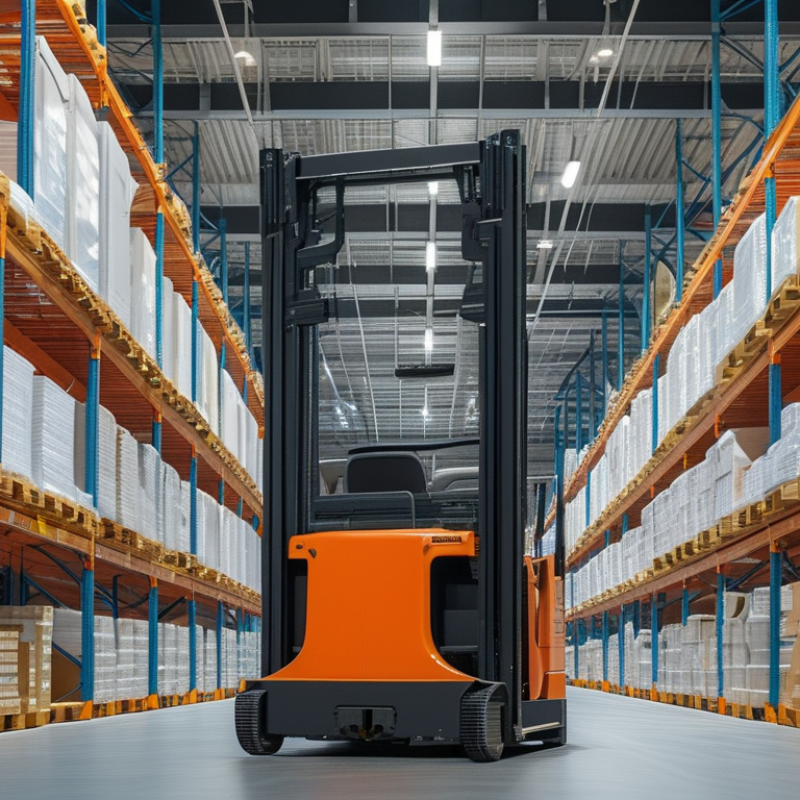
When seeking heavy-duty storage solutions, global buyers face unique challenges. It's crucial to understand the specific requirements of your space and items. An effective storage system can enhance efficiency and organization in any environment, whether in warehouses, workshops, or home garages.
Consider the type of items you need to store. Heavy machinery, bulk materials, or oversized items require robust solutions. Metal shelving and industrial bins can withstand significant weights. Proper design ensures stability and accessibility. Remember, the longevity of your storage system relies on quality materials and construction.
Tips: Measure your available space accurately. Sketch out potential layouts to visualize the arrangement. This step can prevent regrets later.
Evaluate your storage frequency. If items are seldom accessed, consider lofted solutions. But if they are frequently in use, opt for easy-to-reach configurations.
Additionally, prioritize safety. Overloaded shelves can lead to accidents. Ensure weight limits are observed. While stacking can save space, think about the ease of retrieving items. It's a balance between maximizing space and maintaining safety standards. Consider using color-coded bins or labels for quick identification of contents. This simple approach enhances efficiency and organization.
When selecting heavy-duty storage solutions, it’s essential to identify specific key features. Durability is paramount. Look for materials that can withstand weight and frequent use. Steel frameworks often provide the strength needed for demanding environments. However, some plastic options are surprisingly robust and lightweight, offering flexibility in storage setups.
Another critical feature is accessibility. Solutions should allow for easy retrieval of items. Adjustable shelving can accommodate various sizes and types of goods. It is important that organization systems—like bins or compartments—minimize clutter and enhance efficiency. Remember to consider safety features as well. Items should not only be stored securely but also accessible without risk.
Lastly, assess the overall design. A well-thought-out layout can lead to significant improvements in workflow. While aesthetics might seem secondary, a clean, organized space can boost morale and productivity. Nevertheless, achieving this balance can be challenging, requiring ongoing reflection and adjustment. Regular assessments of your storage needs can prevent waste and encourage better practices.
The global demand for durable storage solutions continues to rise, driven by various market trends. A recent report from Market Research Future indicates that the heavy-duty storage market is projected to grow at a compound annual growth rate (CAGR) of 6.5% between 2023 and 2028. This growth emphasizes the necessity for solutions that withstand diverse conditions and heavy use.
Sustainability has become a key focus for buyers. Many consumers are seeking eco-friendly materials and manufacturing processes. According to Global Industry Analysts, 63% of global buyers prioritize sustainability in their purchasing decisions. This shift pushes manufacturers to innovate and create products that not only last but also minimize environmental impact. Yet, some firms struggle to balance cost and sustainability, often leading to suboptimal product offerings.
Moreover, the rise of e-commerce has amplified the need for robust storage solutions. With more businesses shifting online, efficient storage systems are essential to optimize space. Data from the Logistics Management report states that 74% of retailers find inventory management critical in e-commerce success. Nevertheless, there are challenges in adapting existing storage methods to meet this demand, leading to gaps in reliability. The focus must shift towards smarter, adaptable solutions that can grow alongside the evolving market.
When it comes to heavy-duty storage solutions, both industrial and commercial sectors have unique needs. Durable shelving units and robust containers stand out for their reliability. They offer the strength necessary to hold significant weights without compromising safety. Heavy-duty racking systems are often adjustable, making them versatile for different applications. They maximize vertical space, crucial in warehouses.
Tips: Always assess your storage environment. Measure the available space and account for the height and width of items. This will prevent overloading and ensure safety. Consider climate and exposure, as these factors affect longevity.
In addition to shelves, sturdy bins and pallets can enhance organization. Metal bins can store sharp or heavy materials securely. Using labeled bins can improve efficiency and reduce retrieval time. It’s worth noting that while these solutions are strong, regular inspections are necessary. Wear and tear can compromise their effectiveness over time.
Tips: Schedule routine checks of your storage systems. Look for signs of rust, stress, or damage. This proactive approach helps maintain safety standards. Consider investing in maintenance to prolong the life of your storage solutions.
When purchasing heavy-duty storage solutions, understanding cost implications is crucial. Buyers often overlook hidden expenses such as shipping and installation. These additional costs can significantly impact your budget. Evaluating total expenses helps in making informed choices.
Quality plays a pivotal role in cost analysis. High-quality materials may have a higher upfront cost but can save money in the long term. Durable storage solutions lead to fewer replacements and repairs. It is wise to assess warranties and maintenance requirements as well.
Are these options worth the investment? Analyzing your specific needs is essential. Consider the type of items you need to store. What weight capacity do you require? Some buyers may prioritize budget over durability, leading to potential losses. Balancing cost and quality demands careful thought and research.
: Assess the type of items you need to store, such as machinery or bulk materials.
Measure accurately and sketch layouts to visualize arrangements. This can prevent regret later.
Overloaded shelves can cause accidents. Always observe weight limits to ensure safety.
Use color-coded bins or labels for quick identification, improving efficiency and access.
Schedule regular inspections. Look for signs of rust or damage to ensure effectiveness.
Temperature, exposure, and quality of materials greatly impact the durability of storage systems.
Choose lofted solutions if items are seldom accessed, maximizing space without compromising safety.
Yes, they provide versatility for different applications and maximize vertical storage, essential in warehouses.
Metal bins are ideal for storing sharp or heavy materials securely, enhancing organization.
Conduct routine checks to catch signs of wear and tear early, maintaining safety standards.
The article "Best Heavy Duty Storage Solutions for Global Buyers" provides a comprehensive overview of the essential aspects of selecting robust storage options suited for various industrial and commercial needs. It highlights the key features that buyers should consider, such as load capacity, material durability, and design efficiency, to ensure that the selected heavy duty storage solutions meet their specific requirements.
Additionally, the piece discusses current market trends indicating a growing global demand for durable storage solutions, driven by increasing industrial activities and the need for efficient space management. The article also presents an analysis of the costs associated with heavy duty storage options, guiding buyers on what they should be aware of when making purchasing decisions. By understanding these elements, global buyers can make informed choices to secure effective storage solutions that enhance operational efficiency.

Aliracking