Choosing the right Push-Back Storage system can improve pallet density without sacrificing safe access. For global buyers, the decision involves more than price, capacity, or attractive catalog photos. Warehouse temperature, pallet quality, forklift type, aisle width, and local installation practices all affect performance.
This guide reviews five leading push-back storage racks for different warehouse needs. Each option is assessed for load capacity, trolley design, frame strength, access speed, and maintenance requirements. A pallet should move smoothly, without sudden stops or excessive force. Small details matter, such as rail alignment, wheel materials, and impact protection at the aisle face. These features can influence daily productivity and long-term operating costs.
The evaluation draws on rack engineering principles, manufacturer specifications, and practical warehouse observations. It also considers guidance from experienced installers and storage professionals. Still, no ranking is perfect. A rack that performs well in a dry distribution center may disappoint in a cold-storage facility. A neat product image can hide difficult assembly work. Buyers should request load calculations, layout drawings, testing records, and clear warranty terms before placing an order.
Safety remains central throughout the comparison. Qualified personnel should verify the rack design, floor condition, pallet dimensions, and forklift clearances. Local building and workplace requirements may also differ between countries. This article aims to provide a reliable starting point, not a substitute for site-specific engineering advice. The best choice is practical, documented, and suitable for the warehouse’s real working conditions.
Push-Back Racking Basics: 2–6 Pallet-Deep LIFO Storage Design
5 Best Push-Back Storage Racks for Global Buyers
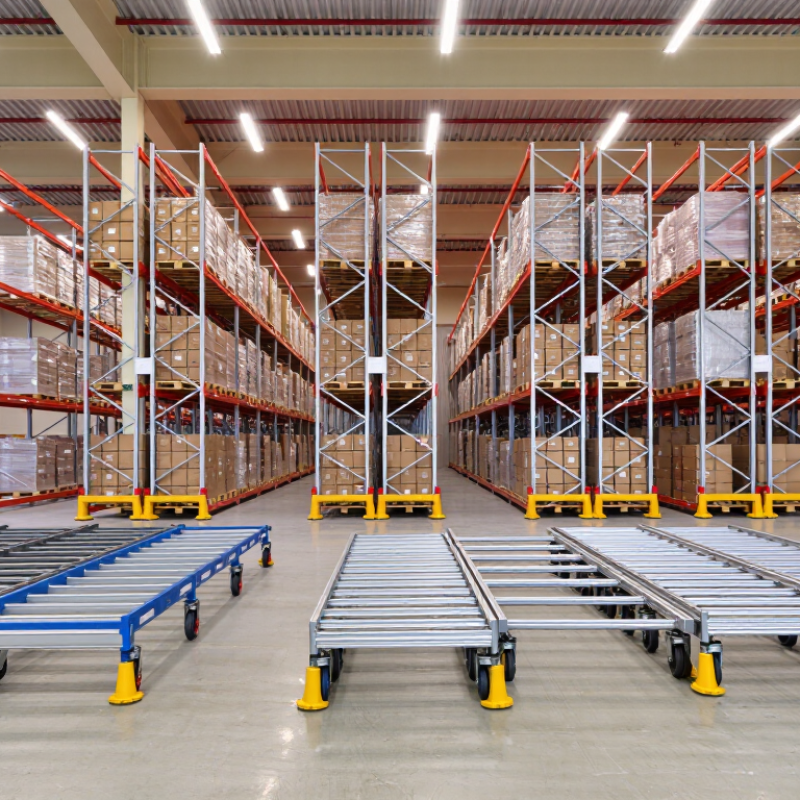
Push-back racking stores pallets two to six positions deep on inclined rails. It supports LIFO movement, so the newest pallet is loaded first and retrieved first. This layout suits products with similar stock-keeping units and frequent pallet access.
In practical warehouse reviews, rack depth must match forklift reach and product flow. A two-deep design offers easier access. Four- to six-deep layouts increase density but reduce selectivity.
MHI’s 2024 Annual Industry Report found that 83% of supply chain leaders planned to increase technology investment within five years. That trend makes rack sensors, location tracking, and load monitoring more useful.
Still, automation cannot correct poor slotting. I have seen dense systems lose efficiency when operators mix pallet heights. The design is not perfect.
Tips:
Confirm pallet weight, dimensions, rail capacity, and aisle clearance before ordering. Keep similar products in each lane. Use clear load labels. Inspect rails, carts, frames, and anchors regularly. A qualified engineer should review seismic and floor conditions for the target country. Safety assumptions often fail at the installation stage.
Five Push-Back Rack Types Compared by Capacity, Access, and Use
5 Best Push-Back Storage Racks for Global Buyers
Five Push-Back Rack Types Compared by Capacity, Access, and Use
Push-back racks suit warehouses needing higher density than selective racking. The five practical choices differ mainly by storage depth and handling speed. Two-deep push-back racks offer the fastest access and simpler stock rotation. Three-deep systems increase capacity while preserving reasonable selectivity. Four-deep racks suit stable pallet loads with fewer daily picks. Five-deep designs deliver strong space efficiency, but forklift positioning becomes less forgiving. Six-deep racks provide maximum density for seasonal or batch inventory. They are not ideal for frequent SKU changes.
According to the MHI 2024 Annual Industry Report, 55% of supply-chain leaders planned to increase technology investment. That trend makes accurate rack selection more important, not less. Cart quality, rail alignment, pallet dimensions, and floor flatness directly affect performance. Experienced installers should verify these details before loading. The RMI Specification MH16.1 also requires engineered consideration of frame stability, load capacity, and impact protection. Small errors matter.
For mixed products, two- or three-deep racks usually balance access and capacity best. Cold-storage facilities often prefer deeper lanes because movement is expensive. High-throughput operations may need pallet flow instead, despite its different operating principle. My practical concern is simple: deeper is not always better. A six-deep lane can look efficient on paper, yet create hidden congestion during urgent replenishment. Auditing real travel paths remains essential.
5 Best Push-Back Storage Rack Types for Global Buyers
Comparison by typical lane capacity, pallet selectivity, and operating use
Deeper push-back lanes increase pallet density but reduce direct access to individual pallets.
The selectivity figures are based on the typical relationship of one accessible SKU position per lane depth.
Two- and three-deep systems are generally better for higher SKU variety, while four- to six-deep systems
are better suited to high-volume products with fewer SKUs. Actual capacity depends on pallet dimensions,
rack height, aisle width, load weight, and local safety requirements.
How Push-Back Racks Deliver Up to 75% More Storage Than Selective Racks
5 Best Push-Back Storage Racks for Global Buyers
Push-back racks can provide up to 75% more storage than selective racks.
This gain comes from deeper lanes and fewer forklift aisles. A typical lane stores two to six pallets behind one pick face. Selective racks usually offer direct access to every pallet, but consume more floor space. Push-back systems trade some access for higher density. Space matters.
The 2023 MHI Annual Industry Report found that 74% of supply-chain professionals planned to adopt robotics and automation within five years.
That trend increases the value of compact, predictable storage layouts. Push-back racks support efficient forklift movements and reduce repeated travel between aisles.
In practical layouts, they suit products with several pallets per stock-keeping unit and regular batch rotation. They are less suitable for thousands of single-pallet items.
The “up to 75%” figure is not universal. It depends on ceiling height, pallet dimensions, fire protection, lane depth, and required access.
I would challenge any supplier using the percentage without a site-specific comparison.
The 2024 MHI Annual Industry Report also highlights continuing pressure from labor shortages and inventory complexity. Buyers should therefore compare usable pallet positions, not only rack capacity. Include loading speed, replenishment time, safety clearances, and local engineering requirements.
A dense layout can look impressive on paper. It may perform poorly when operators need frequent access.
Load, Cart, and Safety Standards for High-Density Push-Back Systems
5 Best Push-Back Storage Racks for Global Buyers
Choosing the five best push-back storage racks starts with the load, not the catalog image. Confirm each pallet’s weight, height, width, and center of gravity. A rack rated for 1,000 kilograms per lane may not support unevenly loaded pallets safely. Dynamic loads also matter when a cart moves under pressure. Ask for tested capacity tables, drawings, and material specifications. Experienced warehouse teams measure real pallets before approving a design.
Cart quality affects both speed and safety. Carts should roll smoothly, remain stable, and match the pallet size. Their wheels need to tolerate repeated impact without damaging the rails. Operators should never force a jammed cart with a forklift. That shortcut can bend components or shift stored goods. Clearances deserve attention too. Tight spacing saves floor area, but poor visibility increases handling errors.
Safety requirements differ between regions and building conditions. Buyers should request structural calculations, installation instructions, load plaques, and inspection procedures. Standards such as EN 15635 may guide inspection practices, while local seismic and building rules can require additional engineering. Do not treat one certificate as universal approval. A rack can pass a factory test and still fail after poor anchoring or an uneven floor. This is where many projects become less perfect than planned. Inspect beams, rails, stops, and carts regularly, and record damage before it becomes a costly surprise.
Global Buyer Checklist: Pallet Size, Rack Depth, Seismic Loads, and ROI
5 Best Push-Back Storage Racks for Global Buyers
Global Buyer Checklist: Pallet Size, Rack Depth, Seismic Loads, and ROI
The five practical choices are two-deep, three-deep, four-deep, cart-based, and mixed-depth push-back racks. Each option suits a different inventory pattern. Measure the pallet, including overhang, before selecting rack depth. A 1,200-millimeter pallet needs more clearance than its drawing suggests. Forklift entry also requires working space. Tight dimensions create expensive damage later.
Check load capacity at every storage level, not only the frame rating. Uneven pallet weights can shift the center of gravity. In seismic regions, request calculations for anchoring, bracing, beam connections, and rack deflection. Local engineering requirements may differ between warehouses. Ask for stamped drawings when regulations require them. A qualified inspector should review the installation.
ROI depends on more than pallet positions. Compare increased density with forklift travel, loading speed, maintenance, and product selectivity. Cart-based systems may reduce aisle space but add moving components. Mixed-depth layouts can improve utilization, yet they may complicate training. Test one representative lane with real pallets. That exposes flaws quickly. I have seen buyers calculate savings from capacity alone and overlook slower retrieval. Recheck the assumptions after several weeks of operation. Rack protection, inspection records, and clear load signs also influence long-term reliability.
Conclusion
Push-Back Storage systems provide a high-density solution for warehouses that need to store multiple pallets of the same product while maintaining organized, efficient handling. Designed for 2–6 pallets deep, these racks typically use a LIFO loading method, allowing forklifts to place new pallets at the front and push existing pallets toward the back. This design can deliver up to 75% more storage capacity than selective racking while reducing the number of aisles required. Different push-back rack types can be compared according to capacity, access speed, pallet flow, cart design, and suitability for various inventory profiles.
For global buyers, selecting the right system requires careful evaluation of pallet dimensions, rack depth, load capacity, forklift compatibility, cart performance, and workplace safety features. Seismic conditions, building specifications, installation standards, and local compliance requirements should also be considered before purchase. A complete ROI assessment should include storage density, labor efficiency, installation costs, maintenance needs, and long-term flexibility, helping buyers choose a reliable high-density storage solution for their operational goals.

 Aliracking