What Is Carton Flow Storage and How Does It Work?

Time:2026-10-20 Author:Mason
0%

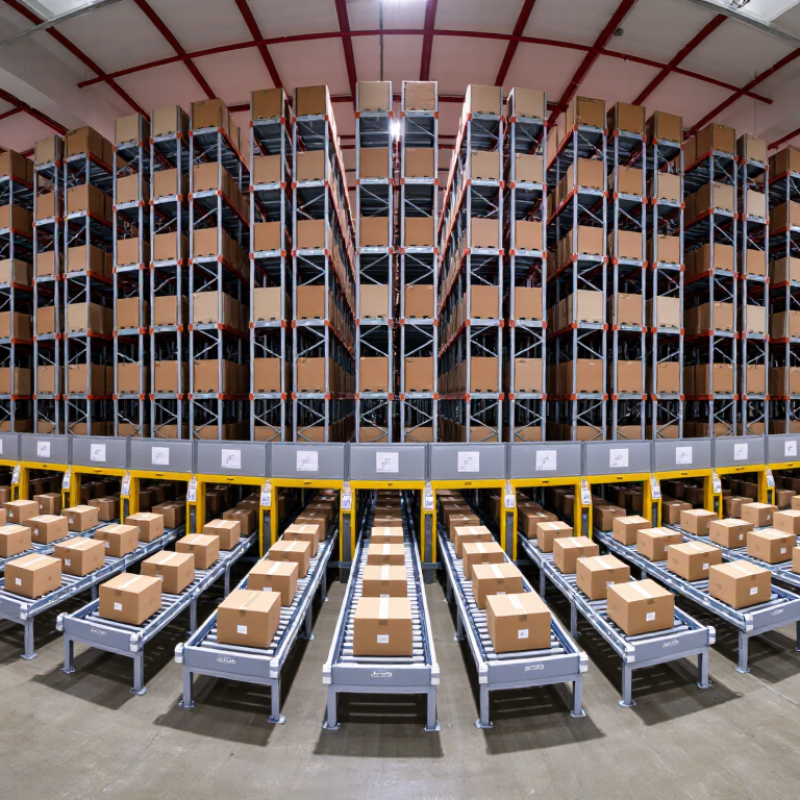
Carton Flow Storage is a dynamic shelving system designed for fast-moving cartons, totes, and small products. It uses slightly inclined roller lanes to move inventory toward the picking face. Workers load items from the replenishment side and pick them from the opposite side. Gravity does the movement. No motors are required.

In a practical warehouse, each carton travels gently across rollers until it reaches a front stop. When one carton is removed, the next carton advances automatically. This arrangement supports first-in, first-out rotation, which can help control aging inventory. It also separates replenishment work from order picking, reducing congestion in busy aisles. Clear labels, suitable carton sizes, and regular inspections remain essential. Small problems matter. A damaged roller can interrupt an entire lane.

The system works especially well for predictable products with steady demand. Retail goods, spare parts, packaged food, and healthcare supplies may benefit from this layout. However, Carton Flow Storage is not a universal solution. Heavy cartons, irregular packaging, and unstable loads may require different equipment. That assumption can fail.

Experienced warehouse planners assess product dimensions, weight, picking frequency, aisle space, and safety requirements before selecting a design. They also test replenishment methods under real operating conditions. A carefully planned system can improve accessibility, space utilization, and picking consistency. Yet performance depends on disciplined loading and maintenance. Technology helps, but practical observation still matters. This guide explains how the system works, where it fits, and what operators should examine before investing.
What Is Carton Flow Storage and How Does It Work?

Definition and Core Purpose of Carton Flow Storage

What Is Carton Flow Storage and How Does It Work?

Definition and Core Purpose of Carton Flow Storage

Carton flow storage is a gravity-assisted shelving system for cartons, totes, and small cases. Rollers or skate wheels sit inside each lane. Workers load products from the replenishment side, while pickers retrieve them from the opposite face. The carton then moves forward as the front unit leaves. Simple, but not effortless.

Its core purpose is to separate replenishment from picking and keep fast-moving inventory visible. A properly designed lane can support first-in, first-out rotation, although this depends on product shape, packaging friction, and lane discipline. In practice, damaged cartons can stop movement. Uneven loading causes gaps. These details are often underestimated.

MHI’s 2024 Annual Industry Report found that 43% of surveyed supply-chain organizations were already using robotics and automation, while 88% planned adoption. Carton flow is less advanced than robotics, yet it supports the same operational goal: reducing unnecessary travel and improving handling consistency. Industry guidance from the Warehousing Education and Research Council also emphasizes measuring pick rates, storage density, and inventory accuracy rather than relying on appearance alone. A dense rack is not automatically efficient.

For example, a picker may face twelve identical cartons, each labeled at eye level. The front carton moves smoothly, and the next one rolls forward. However, slot width, carton weight, and replenishment frequency must be tested on site. Small design errors become daily labor costs.

Key Components and How the System Is Structured

Carton flow storage is built around an inclined rack frame, roller lanes, and clear product locations. Cartons enter from the replenishment side and move toward the picking face by gravity. Small rollers reduce friction, while lane dividers keep different items aligned. A front stop rail prevents cartons from sliding onto the aisle.

The system usually separates replenishment and picking activities. Workers load full cartons from the rear, then pick units from the front. This arrangement supports stock rotation because older cartons move forward naturally. Labels, location codes, and adjustable dividers make each lane easier to identify. A guide rail can also prevent narrow cartons from turning sideways. Details matter here.

In daily warehouse use, lane width should match carton dimensions closely. Excess space allows cartons to drift, while tight lanes create resistance. A practical inspection checks rollers, stop rails, labels, and frame connections. Damaged rollers can interrupt movement and create hidden picking delays. The design is efficient, but not flawless. Heavy cartons may move too quickly, and lightweight cartons may stop halfway. Operators sometimes need speed controls or revised lane angles. Capacity calculations should include carton weight, turnover rate, and safe access space. I have found that a simple trial with real cartons often reveals problems that drawings miss.

What Is Carton Flow Storage and How Does It Work?

Carton flow storage uses inclined roller lanes to move cartons by gravity from the replenishment side to the picking side. The chart shows the typical number of rollers required for one lane at different lane depths, based on a 50 mm roller pitch.

Key components include the rack frame, load beams, inclined flow lanes, gravity rollers, lane dividers, rear replenishment stops, and front carton stops. Longer lanes require more rollers to maintain smooth carton movement and stable product support.

How Cartons Move Through a Flow Rack

Carton flow storage uses an inclined rack to move cartons from the replenishment side to the picking side. Gravity does most of the work. Each lane contains rollers or small wheels that support the carton’s base. When a picker removes the front carton, the cartons behind it move forward automatically.

The process begins at the rear of the rack. A worker places new cartons onto the higher loading side, then pushes them gently into the lane. The cartons roll downward until they reach a stop or pick face. This arrangement supports first-in, first-out rotation when staff load from the back and pick from the front. Clear labels and lane dividers help prevent selection errors. Small brakes or front stops control the final movement.

A carton can still stop. Uneven bottoms, damaged corners, dust, or excessive weight may interrupt the flow. That detail is easy to underestimate. Warehouse teams should test carton sizes before installation and check lane capacity during routine inspections. Workers also need a clear replenishment path and safe access to the rear side. In my experience, the best-performing lanes are not always the fastest ones. They are the lanes with consistent carton dimensions, visible labels, and simple handling habits. A practical review should include real cartons, not only design drawings. Feedback from pickers often reveals friction that measurements miss.

What Is Carton Flow Storage and How Does It Work? - How Cartons Move Through a Flow Rack

System Element What It Is How It Works Typical Data or Range Operational Effect
Carton flow rack A storage rack with inclined lanes that use gravity to move cartons from the loading side to the picking side. Operators load cartons at the rear, and cartons travel forward along rollers or wheels until they reach the front. Usually configured as multiple lanes arranged across several rack levels. Separates replenishment from order picking and supports organized carton presentation.
Inclined lane The sloped storage path assigned to one carton SKU, product type, or picking unit. The slope creates a gravitational force that moves cartons toward the front of the rack. The exact slope depends on carton weight, base material, roller design, and lane length. Provides forward movement without powered conveyors inside the storage lane.
Rollers or wheel tracks The rolling surface supporting the bottom of each carton. Carton contact with the rollers or wheels reduces sliding friction and allows the load to advance. Wheel tracks suit relatively stable carton bottoms; full-width rollers provide broader support. Influences starting force, travel consistency, carton stability, and maintenance needs.
Load stop A physical stop positioned at the picking face of a lane. It holds the lead carton in a controlled position while allowing the operator to remove it. The stop must be matched to carton size, weight, and expected impact force. Improves picking access and helps prevent cartons from falling out of the lane.
Flow-control brake A braking or speed-control device used in lanes where cartons could accelerate excessively. It limits carton speed and reduces the impact between cartons as they move toward the picking face. Commonly required for longer lanes, heavier cartons, or high-throughput applications. Reduces product damage, noise, and the risk of unstable carton movement.
Replenishment side The rear side of the rack where reserve cartons are inserted into a lane. A worker adds a new carton behind the existing cartons, allowing the lane to refill by gravity. Best suited to operations with frequent replenishment and repeatable carton dimensions. Keeps pickers supplied without requiring them to leave the order-picking face.
Picking side The front side of the rack where cartons are presented for picking or order assembly. The lead carton remains at the front until it is removed; following cartons then advance into position. Can face an aisle, packing station, or work area depending on the layout. Creates a consistent presentation point and reduces search time during picking.
FIFO product rotation First-in, first-out movement in which the oldest carton in a lane is normally picked first. New cartons enter from the replenishment side while earlier cartons move toward the picking side. FIFO is a system arrangement, not a guarantee; correct loading and lane discipline are required. Supports stock rotation and can reduce the chance of older inventory remaining behind newer stock.
Carton compatibility The relationship between carton dimensions, weight, rigidity, and the lane’s rolling surface. Cartons must be stable enough to roll, wide enough for support, and strong enough to withstand contact with adjacent cartons. Irregular, damaged, very light, or flexible cartons may require dividers, guides, or a different storage method. Determines whether cartons flow reliably or require manual intervention.
Typical applications Storage and picking environments handling many small or medium cartons with recurring demand. Common uses include piece picking, order assembly, kitting, replenishment areas, and line-side material presentation. Particularly useful when products need clear identification and rapid access at the pick face. Improves organization and can shorten walking and searching activities.
Key design checks The engineering and operating factors reviewed before installation or reconfiguration. Assess carton dimensions, unit weight, lane length, slope, roller spacing, load capacity, access, and replenishment method. Actual settings must be validated with representative cartons because performance varies by load and packaging. Proper design improves flow reliability, worker safety, product protection, and available storage density.
Process summary: Load cartons from the replenishment side, allow gravity to move them along the inclined lane, pick the lead carton from the front, and let the next carton advance into position.

Storage, Picking, and Replenishment Processes

What Is Carton Flow Storage and How Does It Work?

Carton flow storage uses angled rollers or wheels to move cartons from the loading side to the picking side. Gravity does the quiet work. Workers load new cartons behind older stock, supporting a first-in, first-out rotation. This design suits small items, high-volume orders, and products with frequent replenishment needs.

Storage begins with slotting. Fast-moving cartons should sit near ergonomic picking zones, while slower items can occupy deeper locations. During picking, an operator removes the front carton and scans the order. The next carton then rolls forward. Replenishment teams refill the rear of each lane during planned intervals or low-traffic periods. The 2024 MHI Annual Industry Report identifies inventory management and warehouse efficiency as continuing investment priorities. The report also highlights growing interest in automation and data visibility. Carton flow can improve control, but it does not fix poor item data or inaccurate demand forecasts.

Tips: Label both ends of every lane. Set minimum carton quantities for fast movers. Review empty lanes weekly. The WERC DC Measures study shows that warehouse performance depends heavily on labor productivity, order accuracy, and space utilization. These measures should be tracked together, not separately. A fast pick rate means little if replenishment creates congestion. In real operations, awkward carton sizes may jam rollers, and workers may place mixed stock in one lane. That weakness deserves regular observation and correction.

Benefits, Limitations, and Suitable Applications

What Is Carton Flow Storage and How Does It Work?

Carton flow storage uses inclined rollers or wheels to move cartons by gravity. Workers load products from the rear and pick them from the front. As one carton leaves, the next carton moves forward automatically. This supports first-in, first-out rotation when lanes are loaded correctly.

The main benefit is faster picking. Products remain visible, and workers spend less time searching or walking. The system also uses vertical space efficiently in narrow aisles. It suits retail distribution, e-commerce order picking, spare-part storage, and manufacturing components. Small cartons, uniform containers, and high-demand items usually perform best. Clear labels and sensible slotting improve accuracy.

However, carton flow is not a universal solution. Irregular cartons may stop halfway down a lane. Heavy loads can create excessive speed or damage packaging. Dust, worn rollers, and poor loading habits can also cause jams. It needs regular inspection. A lane may appear full while holding slow-moving stock, which reduces its value. The system works poorly when product dimensions change constantly. Careful testing with real cartons is essential, because catalog measurements rarely show every handling problem. Operators may also need training to avoid mixing products or blocking the replenishment side. uйunct

FAQS

What is carton flow storage?

Carton flow storage uses inclined rollers or wheels. Gravity moves cartons from the rear loading side to the front picking side.

How does the first-in, first-out process work?

Workers load newer cartons behind older ones. When the front carton leaves, the next carton rolls forward.

Which products suit carton flow storage best?

Small cartons, uniform containers, and fast-moving items usually perform well. Spare parts and order-picking products are common examples.

How can carton flow improve picking work?

Products stay visible and require less searching. Workers also walk shorter distances in narrow aisles.

What can cause a carton to stop?

Uneven carton bottoms, damaged corners, dust, and excessive weight can interrupt movement. Worn rollers may create the same problem.

How should workers load and replenish each lane?

Load cartons from the higher rear side. Pick from the front. Keep the replenishment path clear and avoid mixed stock.

What safety and accuracy practices are useful?

Use clear labels and lane dividers. Label both ends of every lane. Small front stops can control carton speed.

How should a warehouse test this system?

Test real cartons before installation. Check different sizes, weights, and packaging conditions. Drawings alone can miss awkward jams.

What are the main limitations of carton flow storage?

It performs poorly when carton dimensions change constantly. Heavy loads can move too quickly and damage packaging.

How often should carton flow lanes be reviewed?

Inspect lanes routinely and review empty locations weekly. Ask pickers about friction. Their feedback may reveal problems that measurements miss.

Conclusion

Carton Flow Storage is a gravity-assisted shelving system designed to organize and move cartons efficiently within a warehouse or stockroom. Its core structure typically includes inclined roller or wheel lanes, sturdy rack frames, lane dividers, and front and rear access points. Cartons are loaded from the replenishment side and travel forward as items are removed, helping maintain orderly inventory and making products easier to identify.

During daily operations, workers replenish stock from the back while pickers retrieve cartons from the front, supporting a first-in, first-out workflow when products are placed in the correct sequence. This arrangement can improve space utilization, reduce walking distance, and simplify order picking. However, it may require careful carton sizing, regular maintenance, and suitable floor space for access and replenishment. Carton Flow Storage is especially useful for fast-moving goods, small-item fulfillment, assembly areas, and warehouses that need organized manual picking rather than highly automated handling.

Mason

Mason

Mason is a seasoned marketing professional with a deep expertise in the company's offerings and a passion for driving brand awareness. With a strong background in digital marketing strategies, he has an innate ability to connect with diverse audiences and effectively communicate product benefits.......