In today's fast-paced logistics environment, efficient storage solutions are more critical than ever. Businesses face increasing demands for space and organization. Radio Shuttle Storage offers a compelling alternative to traditional methods. This innovative system maximizes density while ensuring easy access to goods.
With Radio Shuttle Storage, warehouses can achieve impressive storage capacity. This method uses automated shuttles to move pallets within racking systems. It significantly reduces the need for human labor, which can lower operational costs. However, it's essential to consider the initial investment. The upfront costs can be high, and businesses must evaluate their long-term benefits carefully.
Moreover, implementing Radio Shuttle Storage requires careful planning. Warehouse layout and inventory management play vital roles. Not every warehouse may benefit equally from this solution. Businesses should assess their unique needs and space restrictions. Ultimately, Radio Shuttle Storage represents a modern approach to warehouse efficiency, but it is not a one-size-fits-all solution.
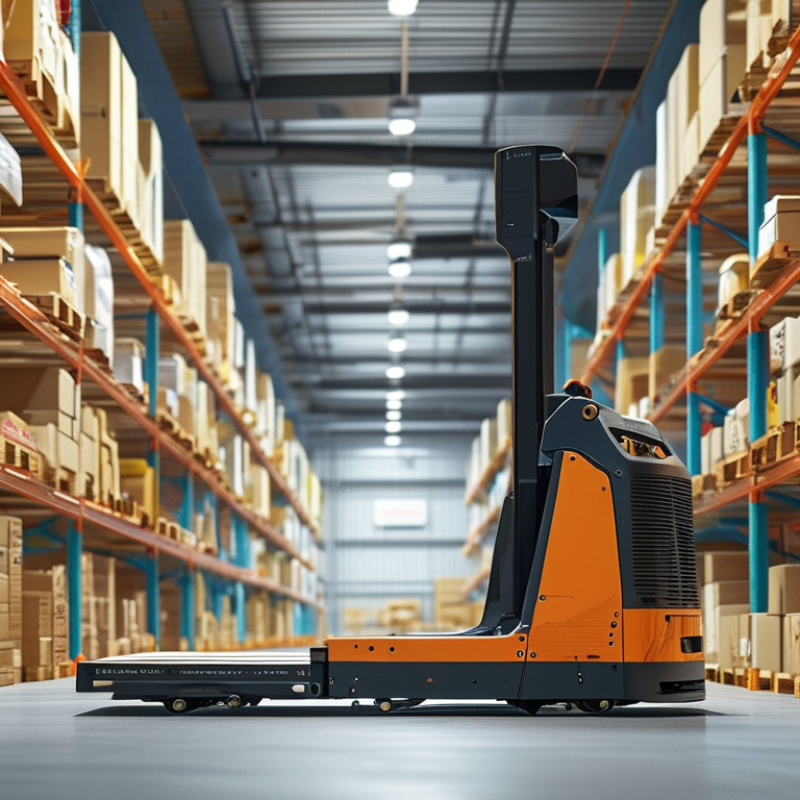
Radio shuttle storage has gained attention in warehouse management for its unique benefits.
This system maximizes space by using shuttles that move goods automatically. It reduces the need for extensive aisle space, allowing for higher storage density. Businesses can store more items in a smaller area, making inventory management more efficient.
The automation in radio shuttle storage enhances operational efficiency. Workers can focus on other tasks while shuttles manage the movement of goods.
This leads to fewer errors and increased productivity. However, implementing this system can present challenges.
Initial costs might be high, and staff training is essential for successful operation.
Moreover, the flexibility of radio shuttle storage is noteworthy. It can adapt to various warehouse sizes and types. This adaptability ensures that businesses can scale operations as needed.
Despite its benefits, companies must carefully assess their unique needs before switching to this system.
Warehouse efficiency is crucial for any business. Radio shuttle systems significantly enhance space utilization. By automating pallet storage, these systems optimize vertical and horizontal space. Data from a 2023 industry report shows that companies using radio shuttle technology can save up to 30% in storage space. This innovation allows higher pallet density, which is essential for maximizing limited warehouse floor space.
Furthermore, radio shuttle systems can adapt to various warehouse layouts. They can function in narrow aisles, which traditional racking systems cannot accommodate efficiently. According to Logistics Management, efficient space usage leads to a reduction in operational costs by nearly 20%. However, implementing such technology requires an upfront investment and a thoughtful evaluation of existing workflows. Some businesses may struggle with adaptation, particularly in training staff for new processes.
The immediate benefit is clear; however, companies must be prepared for potential maintenance challenges. Regular upkeep is necessary to ensure maximum efficiency. Additionally, choosing the right system can be daunting due to the array of available options. An informed decision will ultimately lead to improved operations and cost savings, but companies must weigh both pros and cons carefully.
Radio shuttle technology is revolutionizing how warehouses manage inventory. This system increases storage density and efficiency, but its impact on inventory accuracy is particularly noteworthy. According to recent industry reports, businesses using radio shuttle systems can improve inventory accuracy by up to 99.9%. This reduction in errors leads to more reliable stock levels and helps prevent overstocking or stockouts.
The technology works by automating the movement of goods. Shuttle carts autonomously navigate through the racking system, ensuring precise storage and retrieval. In a recent survey, 72% of warehouses adopting this technology reported significant gains in operational efficiency. However, some businesses struggle with initial implementation. Training staff and integrating existing systems can pose challenges. Despite these hurdles, the long-term benefits of improved accuracy far outweigh the difficulties.
Reliability is crucial in supply chain management. Inventory inaccuracies can lead to lost sales and unhappy customers. A report noted that inaccurate inventory costs businesses an average of $1.1 million annually. Embracing radio shuttle technology can mitigate these risks. While challenges remain, the potential for enhanced inventory accuracy is a compelling reason to consider this innovation.
This chart illustrates the significant improvement in inventory accuracy when utilizing Radio Shuttle technology in warehouse operations, highlighting a 20% increase post-implementation.
Radio Shuttle Storage is an innovative approach that enhances warehouse efficiency. This system utilizes shuttles to move palletized goods rapidly. Unlike traditional systems, which rely heavily on human labor and forklifts, shuttle systems can operate autonomously in high-density setups. This leads to a significant reduction in labor costs and downtime.
When comparing this method to traditional warehousing, several factors stand out. Traditional systems often require more physical space, leading to higher overhead costs. Moreover, they can struggle with inventory management, resulting in errors. In contrast, Radio Shuttle Storage maximizes space by enabling multi-level storage. It minimizes mistakes through automation, ensuring faster retrieval and better organization.
Despite its numerous advantages, there are challenges to consider. Implementing a radio shuttle system can require a substantial initial investment. This may deter some smaller companies. Furthermore, the technology might feel overwhelming for teams accustomed to conventional methods. Transitioning to this modern approach demands training and adaptation. Nonetheless, companies willing to embrace these changes can realize significant long-term benefits.
Radio shuttle storage solutions provide significant advantages across various industries. The food and beverage sector, for instance, benefits from increased efficiency. This industry often requires quick access to products. Radio shuttle systems enable faster retrieval times. They help maintain the freshness of perishable goods. The high-density storage they offer is ideal for both small and large items.
Another key industry is e-commerce. With rising demand, companies need reliable storage systems. Radio shuttle storage maximizes space without compromising accessibility. This allows businesses to fulfill orders swiftly. However, some challenges exist. Integrating such systems may require upfront investment and training. Businesses must weigh these factors carefully before implementation.
Retail logistics is also impacted. Efficient inventory management is crucial for superior customer service. Radio shuttle systems reduce the time spent on stock handling. This results in faster restocking and better product availability. Yet, it’s essential to monitor performance continuously. Regular assessments can help identify areas for improvement. Investing in the right storage solutions can streamline operations in any of these key industries.
: Radio shuttle storage is an automated system that moves goods in a warehouse, improving efficiency.
It maximizes vertical and horizontal space, allowing higher pallet density and saving up to 30% in storage space.
Key industries include food and beverage, e-commerce, and retail logistics, all gaining efficiency and quicker access.
Yes, challenges include high initial costs, staff training, and potential maintenance issues that need careful planning.
Automation allows workers to focus on other tasks, leading to fewer errors and increased productivity overall.
Companies must assess unique needs, integrate into workflows, and evaluate costs versus benefits of implementation.
Absolutely, regular upkeep ensures maximum efficiency and avoids operational disruptions in the long run.
By reducing stock handling time, it results in faster restocking and better product availability for retail logistics.
Yes, they are flexible and can work in various layouts, including narrow aisles traditional systems can't handle.
Continuous monitoring and performance assessments are vital for identifying improvement areas and ensuring success.
Radio Shuttle Storage is increasingly becoming the preferred choice for warehouse management due to its efficiency and advanced technology. This innovative system optimizes space utilization by allowing high-density storage and automated retrieval processes, which not only conserves valuable warehouse space but also enhances inventory accuracy. By implementing Radio Shuttle technology, businesses can minimize human error and improve overall operational efficiency.
Compared to traditional warehousing solutions, Radio Shuttle Storage offers significant advantages, such as reduced labor costs and faster inventory turnover. Key industries, including retail, logistics, and manufacturing, are reaping the benefits of this system, adapting it to meet their specific storage needs. In summary, Radio Shuttle Storage represents a modern approach to warehouse management, supporting companies in achieving greater productivity and accuracy.

Aliracking