How to Choose the Right ASRS Systems for Your Business?

Time:2026-08-16 Author:Ethan
0%

Choosing the right ASRS Systems for your business is crucial for optimizing warehouse operations. Industry expert John Stevens, a supply chain consultant, emphasizes, "The right system can increase efficiency and reduce costs." With many options available, deciding on the best fit can be complex.

ASRS Systems can significantly improve inventory management and space utilization. Companies must consider their specific needs and future growth. Not all ASRS solutions work for every business model. The landscape is filled with variations, from small automated units to large-scale systems.

Understanding your requirements is essential. A misstep in choosing an ASRS could lead to inefficiencies. Many companies face challenges with integration and scalability. Not every system aligns with existing workflows. Reflecting on these factors will lead to a more informed decision. Selecting the right ASRS Systems is not just about technology; it's about crafting a strategy for long-term success.
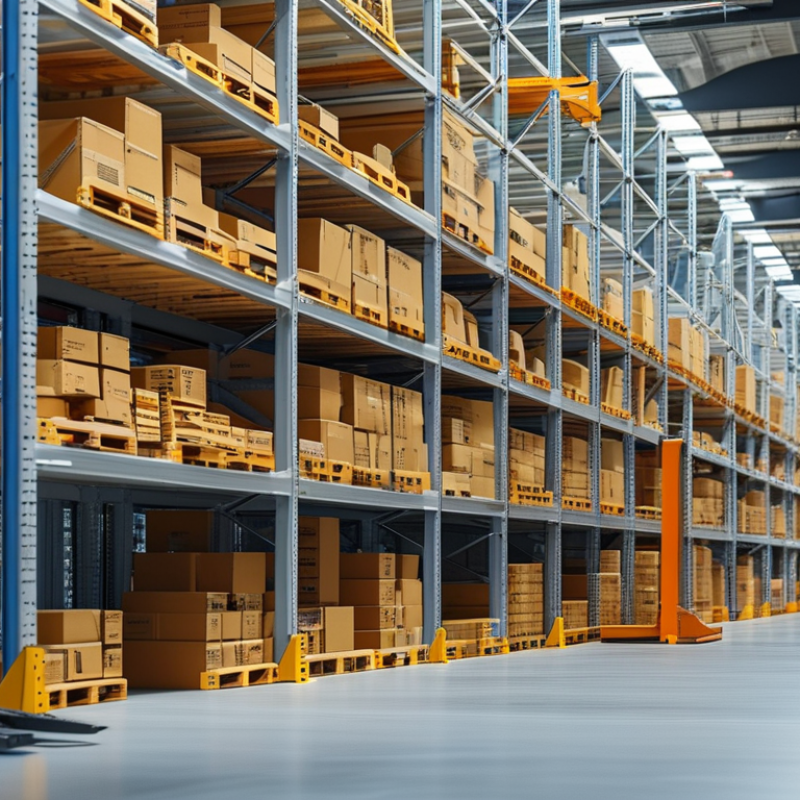
How to Choose the Right ASRS Systems for Your Business?

Understanding the Basics of ASRS Systems and Their Components

Automated Storage and Retrieval Systems (ASRS) have transformed warehousing and inventory management. Understanding their core components is crucial for effective implementation. Typically, ASRS includes hardware like storage racks, shuttles, and control systems. These elements work together to streamline operations and maximize space utilization.

When selecting an ASRS, evaluate your inventory type and volume. Certain systems excel with small, fast-moving items, while others work better for bulk goods. Consider future scalability. You may need more space or advanced technology later. Don't overlook integration. Ensure the ASRS fits well within your existing systems and workflows.

Tip: Assess the potential downtime during installation. A poorly timed implementation can disrupt operations.

Monitoring system performance is essential after installation. Feedback loops help you identify inefficiencies. Regular maintenance checks will prolong system life and decrease unexpected breakdowns.

Tip: Train staff thoroughly. Engaging employees ensures they understand the system and can adapt to changes quickly. A knowledgeable team mitigates risks associated with new technology.

Identifying Your Business Needs and Goals for ASRS Implementation

When selecting an Automated Storage and Retrieval System (ASRS), understanding your specific business needs is essential. This requires a detailed assessment of your current operations, inventory types, and future growth plans. Start by evaluating your storage capacity requirements and the nature of your products. High-throughput environments may require faster retrieval systems.

Tips: Consider conducting a flow analysis of your warehouse. Identify bottlenecks and inefficiencies. This can illuminate areas where an ASRS could provide the most benefit.

Next, outline your business goals clearly. Will your primary aim be reducing labor costs, enhancing accuracy, or increasing storage density? Each goal can lead to different ASRS solutions. Be ready to adapt your objectives based on what you discover during your assessment.

Tips: Engage with your team for feedback on current processes. Gaps in knowledge may emerge, guiding you to rethink your needs. Document these insights, as they will be critical for your ASRS selection process.

How to Choose the Right ASRS Systems for Your Business? - Identifying Your Business Needs and Goals for ASRS Implementation

Criteria Description Importance Level (1-5) Implementation Cost Estimate
Throughput Requirements Identify how many items need to be processed per hour 5 $100,000 - $250,000
Space Availability Evaluate the physical space for the ASRS installation 4 $50,000 - $150,000
Item Variety Assess the types and sizes of items to be stored 3 $30,000 - $80,000
Integration Capability Ability to integrate with existing warehouse management systems 5 $70,000 - $120,000
Scalability Future growth potential and expansion capability 4 $80,000 - $200,000

Evaluating Different Types of ASRS Technologies Available

When considering Automated Storage and Retrieval Systems (ASRS), businesses must evaluate various technologies available in the market. There are multiple types of ASRS systems, including carousel-based, shuttle systems, and more traditional storage solutions. Each has its unique advantages and limitations. Data from industry reports show that ASRS can improve warehouse efficiency by up to 80%. This efficiency stems from optimized space utilization and reduced labor costs.

Carousel-based systems, for instance, are excellent for small items and allow for rapid retrieval. They can yield significant space savings. However, their initial investment can be considerable. Shuttle systems, on the other hand, allow for greater flexibility and scalability but may require more sophisticated integration solutions. In a recent study, it was noted that nearly 70% of companies struggle to implement these systems effectively. Proper training and ongoing support are paramount to maximizing the benefits.

Moreover, it’s crucial to consider factors like throughput and inventory complexity. Many businesses overlook the importance of these factors, leading to wasted resources. Reports indicate that about 40% of companies experience underperformance due to misaligned ASRS selection. Therefore, careful assessment of needs aligned with specific ASRS technology capabilities is essential to avoid costly mistakes. Understanding these nuances ensures a better fit for operational requirements.

Assessing Cost, ROI, and Budget Considerations for ASRS

When selecting Automated Storage and Retrieval Systems (ASRS), understanding cost and ROI is vital. The initial investment can be significant. Therefore, it's important to evaluate your budget against projected benefits. Analyze costs thoroughly, including installation, operation, and maintenance.


A comprehensive cost-benefit analysis helps clarify potential ROI. Consider labor savings, improved accuracy, and enhanced productivity. Gathering historical data on storage efficiency can guide your decision. Think about future growth too. A system should adapt to increasing demands.


However, it's crucial to remain realistic about outcomes. Some companies overestimate savings and efficiency. Misjudgments can lead to budget overruns. Regularly reassess your financial forecasts during and after implementation. Reflect on performance metrics to ensure your ASRS aligns with business goals. Balancing ambition with practicality can lead to lasting success in your operation.

Choosing the Right Vendor and Support Services for ASRS Solutions

Choosing the right vendor for Automated Storage and Retrieval Systems (ASRS) is crucial. It’s not just about the technology; it’s about finding a reliable partner. Look for vendors with industry experience. A company that understands your specific needs is invaluable. They should have a track record of successful implementations in your sector.

Consider their support services. After installation, ongoing support is essential. Will they provide training for your staff? Is technical assistance available around the clock? These details matter. Sometimes, even the best systems can encounter hiccups. A responsive support team can minimize downtime and keep your operations running smoothly.

When evaluating potential vendors, ask for client references. Speak to businesses similar to yours. Their insights can guide your decision-making. It’s essential to review both the strengths and weaknesses of your options. No vendor is perfect; each will have areas for improvement. Taking the time to reflect on these aspects will lead to a more informed choice.

Warehouse Automation: ASRS Solutions Comparison

This chart compares different dimensions of ASRS systems solutions based on efficiency, cost, scalability, integration, and support. Each factor is rated on a scale of 1 to 10, helping businesses assess their options effectively.

FAQS

: What is an

SRS?

What are the main components of an ASRS?

Core components include storage racks, shuttles, and control systems for efficient operation.

How can I choose the right ASRS for my needs?

Assess your inventory type and volume. Consider scalability and how well it integrates with existing systems.

What should I evaluate regarding vendor support?

Check for training availability and around-the-clock technical assistance. Ongoing support is crucial after installation.

How can I monitor ASRS performance effectively?

Implement feedback loops to identify inefficiencies. Regular maintenance checks can prevent unexpected breakdowns.

Why is staff training important for ASRS?

Proper training ensures staff can adapt to changes, minimizing risks related to new technology.

What should I consider about the installation process?

Assess potential downtime. Poor timing of installation can disrupt ongoing operations.

How can I find the right vendor for my ASRS?

Look for industry experience and ask for client references to gauge their track record and support capabilities.

Are there any potential issues with ASRS systems?

Yes, some systems may face hiccups. A reliable support team is vital to keep operations running smoothly.

Is it necessary to evaluate vendor weaknesses?

Yes, understanding both strengths and weaknesses helps in making a more informed decision. Reflection is key.

Conclusion

When selecting ASRS systems for your business, it's essential to understand the basic components and functionality of these automated solutions. An effective ASRS implementation begins with clearly identifying your business needs and goals, ensuring that the chosen system aligns with your operational requirements.

Next, evaluating the different types of ASRS technologies available is crucial, as each system offers unique benefits and functionalities. Additionally, assessing costs, return on investment (ROI), and overall budget considerations will help in making a financially sound decision. Finally, choosing the right vendor and support services is vital for the successful integration and long-term support of ASRS systems, ensuring that your business can fully leverage the advantages of automation in material handling and inventory management.

Ethan

Ethan

Ethan is a seasoned marketing professional with a deep expertise in our company's innovative product line. With a passion for sharing knowledge and insights, he takes the lead in regularly updating our corporate blog, where he explores industry trends, product features, and effective marketing......