10 Tips for Choosing Steel Containers Worldwide

Time:2026-10-10 Author:Mason
0%

Choosing Steel Containers worldwide is not a simple matter of comparing prices. The right decision affects cargo protection, handling efficiency, service life, and environmental performance. Global demand gives this choice wider importance. The World Steel Association reported approximately 1.89 billion tonnes of crude steel production in 2023. Meanwhile, UNCTAD’s Review of Maritime Transport 2024 highlights continued pressure on global shipping networks, including capacity, delays, and operating costs.

Steel remains central to this system. Edwin Basson, Director General of the World Steel Association, has stated, “Steel is an essential material for our society.” That statement is useful, but not complete. Buyers must examine the container’s grade, wall thickness, weld quality, door seals, internal coating, and corrosion protection. A container may look strong outside while hiding weak floor supports or poor drainage.

This guide presents 10 practical tips for choosing Steel Containers across different climates and transport routes. It considers ISO 668 dimensional requirements, CSC safety expectations, payload limits, stacking strength, inspection records, and repair availability. The European Steel Packaging Association also emphasizes steel’s permanent recyclability, supporting its long-term circularity when recovery systems work properly.

Details matter. A humid port, a frozen warehouse, and a dusty inland road create different risks. A low-cost unit may become expensive after repeated repairs. A perfect checklist does not exist. Some recommendations may need adjustment after local inspection, supplier verification, and real operating experience. Reliable decisions combine published data, recognized standards, and evidence from the container’s actual working environment.
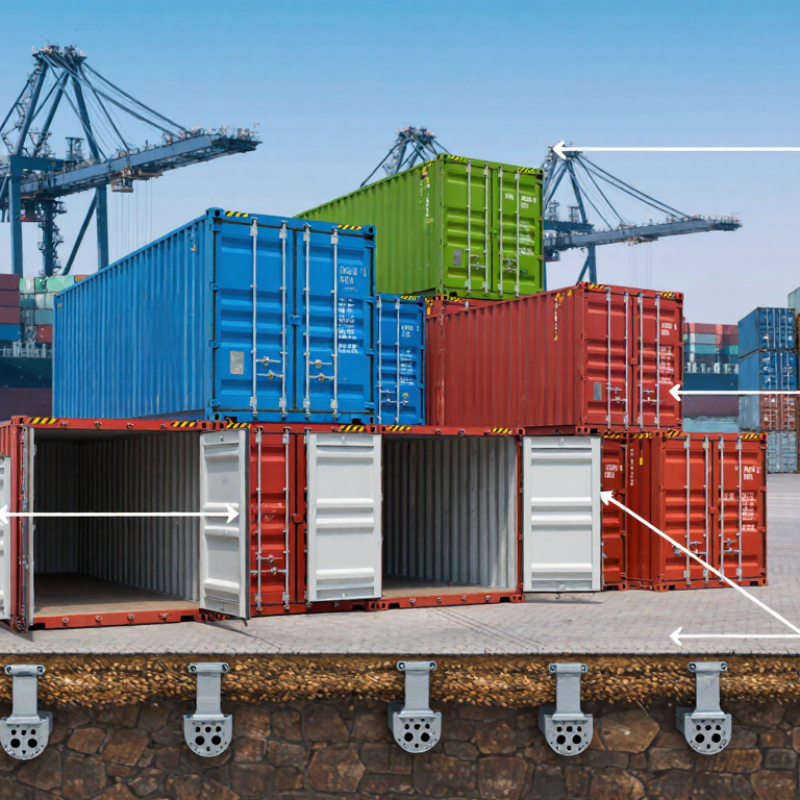
10 Tips for Choosing Steel Containers Worldwide

Define the Purpose and Operating Conditions of the Steel Container

Before comparing dimensions or prices, define what the container must carry. Water, dry goods, chemicals, and powders create very different demands. Record the material, density, fill volume, loading method, and expected service life. Also identify whether the container stays indoors, outdoors, or near salt water. Small details matter. A powder may flow like liquid during discharge, creating unexpected pressure on the walls.

Operating conditions should guide the steel grade, wall thickness, fittings, and surface protection. Check the highest and lowest temperatures, humidity, pressure changes, stacking loads, lifting points, and transport impacts. A container used for temporary storage may need different protection from one used continuously outdoors.

During a site review, a container looked sound externally, yet moisture had collected beneath an internal liner. The damage was easy to miss. I had underestimated condensation risks before.

Confirm material compatibility with qualified technical data and relevant safety requirements. Do not assume thicker steel solves every problem. It can increase weight, handling demands, and structural stress. Inspect welds, doors, seals, vents, and drain areas before service. Keep records of inspections, repairs, and operating limits. My early checklists focused too much on capacity. They now include cleaning access, emergency handling, and future changes in use. Conditions can change quietly. Reassess the container when the material, location, or operating cycle changes.

Compare Container Materials, Grades, and Protective Coatings

Choosing steel containers for international use requires more than comparing prices. Material selection affects strength, corrosion resistance, weight, and service life. Carbon steel suits general storage and transport. Stainless steel performs better near saltwater, chemicals, or frequent washing. However, stainless steel can raise costs and may be unnecessary in dry inland conditions. Conditions matter more than appearance.

Container grade should match the load and handling method. Check steel thickness, weld quality, door alignment, and floor reinforcement. Higher-strength grades can reduce deformation during stacking, but they may complicate repairs in remote areas. Ask for material certificates and test records. Do not rely on painted surfaces alone. They can hide weak welds or early corrosion.

Protective coatings deserve close attention. Zinc coatings protect exposed steel through sacrificial action, while epoxy systems create a stronger barrier against moisture and chemicals. A multilayer coating usually performs better than one thick layer. Surface preparation is critical; dust, oil, and trapped moisture can shorten coating life.

I once underestimated coastal humidity and chose a coating suited to dry storage. The container looked sound, yet rust appeared around the lower frame within months. That mistake changed my inspection checklist.

Compare coating thickness, salt-spray data, repair procedures, and expected temperature ranges before ordering. Small differences become expensive across long-distance routes.

Evaluate Size, Capacity, and Compatibility With Stored Contents

10 Tips for Choosing Steel Containers Worldwide

Tip 1: Measure the stored contents, not just the available floor space. Tip 2: Leave practical clearance for loading, unloading, and internal movement. A container packed too tightly wastes time. Tip 3: Check usable capacity, because walls, doors, fittings, and insulation reduce the advertised volume. Tip 4: Compare payload with the contents’ total weight, including pallets and protective materials. I once underestimated packaging weight; the calculation looked acceptable but failed in practice.

Tip 5: Confirm whether the contents are solid, liquid, granular, or mixed. Each form may require different internal support and access. Tip 6: Review density and weight distribution. Heavy material should remain low and evenly positioned. Tip 7: Test compatibility with steel surfaces, coatings, seals, and cleaning agents. Moisture, salt, acidic residues, and temperature changes can accelerate corrosion. Tip 8: Consider ventilation, drainage, and condensation control. Dry contents can still suffer in a humid environment.

Tip 9: Check door dimensions against the actual loading equipment. A wide container can still have a narrow opening. Tip 10: Request clear technical drawings, tolerances, and capacity data before ordering. Specifications may differ between suppliers and regions. Do not rely on photographs alone. A small mismatch in height or internal length can create expensive handling problems. Compatibility also includes the destination environment, transport method, and storage duration. When uncertain, perform a small material test and document the result. It may feel slower, but guessing is usually slower.

Check Manufacturing Standards, Safety Features, and Certifications

Choosing steel containers for international use requires more than comparing prices and dimensions. Manufacturing standards reveal how consistently a container is built. Check documented quality procedures, material grades, weld quality, door alignment, and corrosion protection. Standards such as ISO 668 and ISO 1496 help confirm dimensional and structural requirements. However, standards alone do not guarantee perfect workmanship.

Look closely at safety features during inspection. Door locking rods should move smoothly and close evenly. Hinges must not show cracks or excessive play. Floor panels should feel firm, without soft spots or exposed fasteners. Inspect corner castings, lifting points, ventilation openings, and roof seams. Small rust bubbles can indicate trapped moisture beneath the coating. That detail is easy to miss.

Certification records should be current, traceable, and matched to the container’s identification number. For applicable transport use, verify the CSC safety approval plate and its inspection status. Ask for test reports, production records, and maintenance history, not only a scanned certificate. Documents can be incomplete. That deserves caution. Requirements may also differ by destination, cargo type, and transport method, so confirm local rules with a qualified surveyor or authority. A careful inspection may slow the purchase, but replacing an unsafe container costs more.

10 Tips for Choosing Steel Containers Worldwide - Check Manufacturing Standards, Safety Features, and Certifications
Tip What to Check Relevant Standard, Regulation, or Benchmark Required Evidence Why It Matters
1Confirm the container type and intended use Define whether the unit will be used for international shipping, domestic storage, construction, modular use, or specialized cargo. ISO 668 classifies Series 1 freight containers by type, dimensions, and ratings. Dry freight containers are covered by ISO 1496-1. Technical specification showing external dimensions, internal volume, maximum gross mass, tare mass, and intended service. Different applications require different structural ratings, ventilation arrangements, doors, floors, and approval documents.
2Check the structural design and load rating Review the frame, roof, side panels, corner posts, cross members, and floor construction. Confirm both maximum gross mass and payload. ISO 1496-1 specifies performance requirements and tests for general-purpose Series 1 freight containers. Stamped rating plate, engineering drawings, load-test records, and a clear distinction between maximum gross mass, tare mass, and payload. A high payload claim is meaningful only when the complete structure and its tested load paths support it safely.
3Verify corner fittings and handling compatibility Inspect the eight corner fittings for correct geometry, weld quality, cracks, distortion, and alignment with lifting equipment. ISO 1161 defines the dimensions and functional requirements of freight-container corner fittings. Handling methods are addressed in ISO 3874. Dimensional inspection results, weld inspection records, and confirmation that lifting, stacking, and securing equipment is compatible. Corner fittings transfer lifting and stacking forces. Defects can create serious handling and stability hazards.
4Look for valid international transport approval For containers intended for international sea transport, check the safety approval plate, approval number, manufacture date, maximum gross mass, and inspection status. The 1972 Convention for Safe Containers (CSC) establishes safety requirements and approval procedures for containers used in international transport. A legible CSC safety approval plate and current examination or inspection records applicable to the container. CSC approval demonstrates that the container has met internationally recognized structural safety requirements for applicable transport use.
5Inspect doors, locks, and pressure equalization Check door alignment, hinges, locking bars, handles, gaskets, retainer devices, and the ability to open the door safely after loading. Use the container manufacturer's tested design and applicable freight-container performance requirements under ISO 1496-1. Door-operation test, gasket inspection, locking-hardware records, and confirmation that ventilation or pressure-relief features are suitable for the cargo. Damaged doors can allow water ingress, uncontrolled opening, cargo loss, or dangerous pressure differences during unloading.
6Evaluate corrosion protection for the service environment Review steel grade, surface preparation, primer, topcoat, weld protection, drainage, and areas where water may collect. ISO 12944 provides a framework for selecting protective paint systems according to atmospheric corrosivity categories; it is not a freight-container approval standard. Coating specification, dry-film thickness records, surface-preparation method, corrosion category, and repair procedure. Marine, coastal, industrial, humid, and chemical environments impose different corrosion loads and maintenance requirements.
7Check cargo securing and internal safety features Verify lashing rings, bars, anchor points, partitions, anti-slip surfaces, and the declared capacity of each securing point. The IMO/ILO/UNECE Code of Practice for Packing of Cargo Transport Units (CTU Code) provides internationally recognized guidance for packing and securing cargo. Rated lashing-point data, cargo-securing instructions, internal inspection records, and a loading plan for the intended cargo. Correct securing reduces shifting, impact damage, uneven loading, and instability during road, rail, and sea transport.
8Verify identification and traceability Check the container identification number, check digit, owner-code format, maximum gross mass marking, tare mass, and manufacturing details. ISO 6346 specifies the identification, coding, and marking system for freight containers. Matching serial number on the frame, plate, inspection records, purchase documents, and any applicable electronic traceability record. Accurate identification connects the physical container to its inspection history, repair records, and transport documentation.
9Review welding, materials, and production quality Look for continuous, clean welds; controlled distortion; correct steel thickness; protected weld toes; and documented repair procedures. Request a quality-management certificate such as ISO 9001 only as evidence of the manufacturer's management system. ISO 9001 alone does not certify a specific container. Material certificates, welding procedure specifications, welder qualification records, non-destructive testing results where specified, and final inspection reports. Production controls and material traceability help reduce hidden structural defects and inconsistent performance between units.
10Validate certificates and local compliance before purchase Confirm that certificates apply to the exact model, dimensions, serial number, configuration, and intended country or transport mode. Check CSC requirements for international transport, applicable customs or port rules, local building regulations for permanent installations, and dangerous-goods rules when relevant. Certificate copies, issuing-body details, scope and validity dates, inspection reports, declaration of conformity where required, and independent pre-delivery inspection. Certificates are useful only when they are genuine, current, correctly scoped, and accepted by the authorities or transport operators involved.
Important: Standards and approvals depend on the container type, cargo, transport mode, destination country, and installation method. A general steel storage container may not qualify as a CSC-approved freight container, and an ISO 9001 certificate does not replace product-specific testing or regulatory approval.

Assess Suppliers, Shipping Costs, Maintenance, and Long-Term Value

Choosing steel containers worldwide requires more than comparing advertised prices. Tip 1: Check supplier experience, factory records, material specifications, and independent inspection options. Ask for steel grade, wall thickness, weld details, coating systems, and documented quality checks. A reliable supplier should explain defects openly, not hide behind polished photographs. Request recent production samples and verify dimensions before placing a large order.

Tip 2: Calculate the complete shipping cost. Include inland transport, port handling, insurance, customs charges, storage, and possible demurrage. A low factory price can become expensive after several transfers. Ask for delivery terms in writing and compare two realistic routes. Leave room for delays. Weather, port congestion, and paperwork can change the final figure. I once underestimated local unloading costs; that mistake was avoidable.

Tip 3: Plan maintenance before delivery. Inspect the roof, floor, hinges, locking bars, and door seals after arrival. Small scratches can expose steel to moisture, especially near coastal sites. Clean standing water, repair damaged coatings, and lubricate moving parts regularly. Keep a simple inspection log with dates and photographs. Maintenance is not glamorous, but it protects long-term value.

Consider ventilation, loading frequency, climate, and future relocation. A container used in a humid coastal area needs different protection from one stored inland. Check whether replacement parts and repair technicians are available locally. A cheaper unit may demand more labor later. That trade-off deserves a clear calculation, not a hopeful guess.

10 Tips for Choosing Steel Containers Worldwide

Assess suppliers, shipping costs, maintenance requirements, usable payload, compliance documentation, corrosion protection, repairability, resale potential, delivery terms, and long-term value before purchasing.

Typical ISO steel container specifications show that larger containers do not always provide more payload: their higher tare weight can reduce the cargo capacity available under the same maximum gross mass. Actual capacity depends on the container’s CSC plate, construction, equipment, route, and local road-weight regulations.

FAQS

How should I choose between carbon steel and stainless steel containers?

Carbon steel suits general storage and transport. Stainless steel handles saltwater, chemicals, and frequent washing better.

Which container details should I inspect before ordering?

Check steel thickness, weld quality, door alignment, floor reinforcement, and corner castings.

Are painted surfaces enough to prove container quality?

No. Paint can hide weak welds, trapped moisture, and early corrosion.

What protective coating works best in humid or coastal areas?

Zinc coatings protect exposed steel through sacrificial action. Epoxy systems form stronger barriers against moisture and chemicals.

What coating problems should I watch for during inspection?

Look for rust bubbles, scratches, peeling areas, and moisture around the lower frame.

Which safety features require close inspection?

Door locking rods should move smoothly and close evenly. Hinges should not show cracks or excessive looseness.

What certification and inspection documents should I request?

Request current, traceable records matching the container identification number.

How can I calculate the real delivery cost?

Include inland transport, port handling, insurance, customs charges, storage, and possible delay fees.

How can I protect a container’s long-term value?

Inspect the roof, floor, hinges, locking bars, and door seals after arrival.

Conclusion

Choosing the right Steel Containers begins with a clear understanding of their intended purpose and operating environment. Consider whether they will be used for storage, transport, industrial handling, or specialized applications, and evaluate exposure to moisture, temperature changes, pressure, impact, and outdoor conditions. Compare available materials, steel grades, wall thicknesses, and protective coatings to select a solution that offers suitable strength, corrosion resistance, and service life. Size, capacity, loading methods, ventilation, and compatibility with the stored contents should also be reviewed carefully to support safe and efficient use.

Before making a purchase, verify manufacturing quality, structural design, safety features, and relevant certifications. Reliable suppliers should provide transparent specifications, inspection information, delivery schedules, and realistic shipping costs. It is also important to assess maintenance requirements, repairability, warranty terms, and expected lifespan rather than focusing only on the initial price. By considering performance, logistics, compliance, and long-term value together, buyers can choose Steel Containers that remain practical, durable, and cost-effective throughout their working life.

Mason

Mason

Mason is a seasoned marketing professional with a deep expertise in the company's offerings and a passion for driving brand awareness. With a strong background in digital marketing strategies, he has an innate ability to connect with diverse audiences and effectively communicate product benefits.......