China Top 10 Longspan Storage Rack Suppliers? This guide examines manufacturers beyond polished catalog photographs and bold capacity claims. Longspan Storage racks support cartons, tools, spare parts, archives, and other medium-duty inventory. Their performance depends on steel thickness, beam geometry, shelf adjustment, coating quality, and installation accuracy.
Warehouse consultant Dr. James A. Tompkins has stated, “A warehouse should be designed around the flow of materials, not merely the storage of products.” That principle matters when comparing Chinese suppliers. A reliable manufacturer should explain load ratings clearly, provide drawings, test components, and recommend suitable layouts. Buyers should also examine factory experience, export packaging, production controls, customization ability, and after-sales support.
Details reveal more.
This ranking considers suppliers serving warehouses, workshops, retail backrooms, and industrial facilities. It looks at product range, manufacturing capability, project experience, response quality, and documented customer feedback. Practical questions matter. Can the supplier produce consistent uprights? Are shelf levels easy to adjust? Does the powder coating resist scratches during transport? Are replacement parts available after installation?
No list is perfect. Supplier rankings can change with new projects, factory investments, and service performance. A company may offer excellent pricing but weak technical support. Another may deliver stronger engineering but require a larger budget. Readers should verify current certifications, load tests, lead times, and installation responsibilities before ordering. The best Longspan Storage partner is not always the cheapest. It is the supplier that fits the warehouse, the inventory, and the risks of daily use.
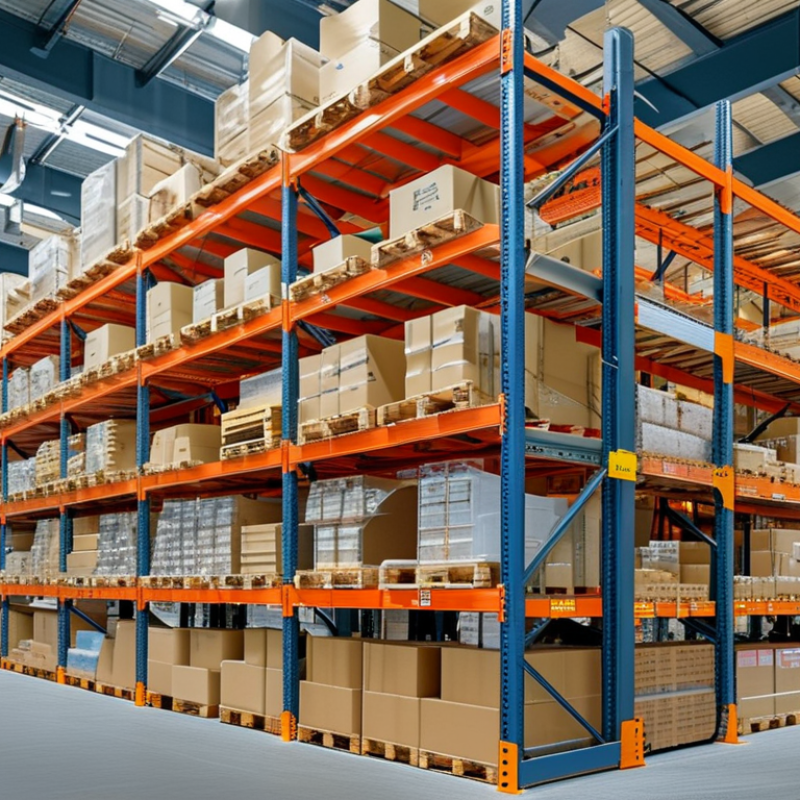
Longspan storage racking is a medium-duty shelving system for items too large or heavy for ordinary cabinets. It usually combines upright frames, horizontal beams, and adjustable shelf panels. Depending on the design, shelves may use steel panels, wire decking, or reinforced boards. The structure creates wide storage levels without requiring a forklift for every item.
It works well in warehouses, workshops, archives, and retail backrooms. A typical bay may hold cartons, tools, spare parts, or hand-loaded containers. Shelf height can be changed as inventory sizes shift. This flexibility matters because storage needs rarely remain stable. Longspan systems also support clear aisle planning and faster manual picking. However, a wide shelf is not automatically a strong shelf. Load capacity depends on beam length, material thickness, connection design, and how evenly weight is distributed.
A reliable supplier should provide tested load ratings, installation guidance, and clear inspection procedures. Check whether the stated capacity applies to each shelf or the entire bay. That detail is easy to misunderstand. I have seen layouts fail because users placed dense boxes at the front edge. Heavy goods should stay low and close to the frame. Unstable floors, damaged beams, and missing safety clips need immediate attention. The term “longspan” also lacks one universal size definition, so comparing drawings is wiser than comparing labels. A careful review may reveal that a cheaper system needs more uprights, reducing its practical storage gain.
Evaluating Chinese longspan storage rack suppliers requires more than comparing prices. The MHI 2024 Annual Industry Report shows that supply chain companies continue increasing investment in technology and warehouse efficiency. This trend raises expectations for safer, denser, and more adaptable storage systems. A capable supplier should provide load calculations, steel certificates, welding records, and clear installation drawings. Documents matter.
Factory experience is tested on the production floor. Buyers should inspect coil storage, laser cutting, welding controls, powder coating, and final packaging. ISO 9001 certification supports process consistency, but it does not replace independent inspection. EN 15635 and related European guidance can help assess rack safety, deformation limits, and inspection procedures. Ask for recent test reports, not old templates. A small detail can reveal a weak system.
Reliability also depends on delivery records and after-sales support. The World Bank’s Logistics Performance Index 2023 highlights how customs, infrastructure, and shipment reliability affect supply chains. Therefore, evaluation should include export documentation, lead-time history, spare-part availability, and response times for damaged components. Cost is still important, but the lowest quotation may hide thinner steel, weaker coating, or limited engineering support. I have seen attractive specifications fail during practical review. That possibility deserves attention. Testing samples, checking references, and reviewing drawings with a qualified engineer create a more dependable decision.
China’s longspan rack sector serves warehouses, workshops, archives, and retail backrooms. Grand View Research estimated the global warehouse automation market at about USD 21.7 billion in 2023. It also projects a 16.7% CAGR from 2024 to 2030. This growth increases demand for flexible, manually accessible storage.
The first supplier profile focuses on heavy-duty beams for industrial parts. The second emphasizes adjustable shelf heights and tool-free changes. A third serves archive rooms with compact layouts. Another specializes in powder-coated frames for humid workshops. A fifth provides boltless designs for quick installation. One supplier concentrates on export packaging and container loading. Another offers custom corner units for irregular spaces. A further profile highlights multi-tier platforms and mezzanine integration. The ninth focuses on rapid quotation and drawing support. The tenth combines rack production with warehouse planning.
These profiles should not be judged by catalog depth alone. MHI’s 2024 Annual Industry Report identifies labor pressure, digital visibility, and automation investment as continuing supply-chain concerns. Therefore, buyers should examine load testing, steel thickness, beam deflection, coating quality, and replacement-part availability. Factory audits matter. So do sample inspections.
A practical test uses real cartons, not empty pallets. Measure assembly time, aisle clearance, and shelf stability. Some supplier claims look impressive. They may still lack clear test methods. That is worth questioning. Specifications can also change between batches, especially under price pressure. Experienced buyers should request drawings, tolerances, inspection records, and installation guidance before comparing the ten profiles fairly.
When evaluating China’s top ten longspan storage rack suppliers, product design matters more than rankings. Reliable systems use adjustable beams, reinforced uprights, and durable powder-coated surfaces. These features support cartons, tools, spare parts, and medium-weight equipment. Boltless or bolted structures can simplify installation and later expansion. Good suppliers provide load tables, assembly drawings, and clear safety instructions. Small details matter.
In warehouse assessments, longspan racks often serve manufacturing plants, repair centers, archives, retail stockrooms, and logistics facilities. Adjustable shelf heights help workers store different package sizes without wasting vertical space. Open shelving improves product visibility and supports quick manual picking. Steel panels suit heavy items, while wire decks improve airflow and reduce dust accumulation. Mobile accessories, dividers, and label holders can improve daily organization. The right layout reduces walking distance and handling errors.
Capacity claims deserve careful review. A rack may support a stated load only when beams, shelves, anchors, and floor conditions match the design. I have seen layouts fail because aisle clearance was treated as an afterthought. That mistake is expensive. Buyers should request material specifications, weld-quality records, load testing evidence, and installation guidance. Suppliers should also explain corrosion protection and replacement-part availability. No rack is perfect. Actual warehouse conditions must guide the final selection.
| Profile | Typical Rack Configuration | Typical Load Capacity | Available Dimensions | Key Product Features | Best-Fit Applications | Common Compliance Requirements |
|---|---|---|---|---|---|---|
| Supplier Profile 01 | Adjustable longspan shelving with chipboard or steel panels | 100–500 kg per shelf level | Width: 900–2,400 mm; depth: 400–900 mm; height: 1,800–3,000 mm | Boltless or bolted assembly, adjustable beams, modular add-on bays, powder-coated finish | E-commerce fulfillment, spare-parts storage, archives and general warehouses | Load notices, material traceability, coating quality and applicable local rack codes |
| Supplier Profile 02 | Heavy-duty longspan shelving with reinforced beams | 300–800 kg per shelf level | Width: 1,200–2,700 mm; depth: 600–1,200 mm; height: 2,000–4,000 mm | Higher-capacity box beams, welded or bolted frames, reinforced decking and diagonal bracing | Automotive components, machinery parts, metal products and industrial supplies | Structural calculations, deflection checks, anchoring specifications and inspection records |
| Supplier Profile 03 | Longspan shelving with multi-tier mezzanine integration | 200–600 kg per shelf level; platform loads vary by design | Bay width: 1,500–2,500 mm; platform height commonly 2,400–4,500 mm | Steel access platforms, stairs, handrails, guardrails, gates and configurable work levels | High-volume distribution centers, document storage and light manufacturing | Platform live-load calculations, stair safety, guardrail height and fire-escape provisions |
| Supplier Profile 04 | Carton-flow and FIFO longspan shelving | 50–250 kg per flow lane or shelf level | Width: 900–2,400 mm; depth: 600–1,200 mm; height: 1,800–3,000 mm | Roller tracks, inclined lanes, front picking access, lane dividers and replenishment zones | Fast-moving consumer goods, pharmaceuticals, food packaging and order picking | Roller load testing, food-contact requirements where relevant, hygiene and labeling controls |
| Supplier Profile 05 | Anti-corrosion longspan shelving for humid environments | 100–400 kg per shelf level | Width: 900–2,000 mm; depth: 400–800 mm; height: 1,500–3,000 mm | Galvanized or corrosion-resistant components, drain-friendly panels and washable surfaces | Cold rooms, coastal warehouses, chemical-support areas and food logistics | Salt-spray performance, coating thickness, corrosion classification and sanitation requirements |
| Supplier Profile 06 | Mobile longspan shelving on manual or mechanical carriages | 100–500 kg per shelf level | Bay width: 900–2,000 mm; depth: 400–900 mm; height: up to about 3,000 mm | Moving bases, lockable aisles, anti-tilt features, end stops and optional safety sensors | Archives, museums, tool rooms, records centers and compact spare-parts storage | Floor loading, seismic considerations, emergency release and access-control requirements |
| Supplier Profile 07 | Drawer, bin and partition-based longspan storage | 50–300 kg per drawer, bin or shelf level | Width: 900–2,000 mm; depth: 400–800 mm; height: 1,800–2,500 mm | Small-parts bins, drawer cabinets, dividers, labels and ergonomic picking access | Electrical components, hardware, maintenance stores and laboratory supplies | Drawer cycle testing, tip-over protection, ergonomic access and fire-load assessment |
| Supplier Profile 08 | Longspan shelving designed for manual picking operations | 100–350 kg per shelf level | Width: 900–2,400 mm; depth: 400–900 mm; height: 1,800–3,000 mm | Open-front access, ergonomic shelf heights, label holders and optional pick carts | Retail backrooms, apparel, consumer electronics and third-party logistics facilities | Manual-handling risk assessment, aisle clearance, rack protection and load signage |
| Supplier Profile 09 | Longspan racks with wire decking and pallet-support accessories | 300–800 kg per shelf level, depending on span and decking | Width: 1,200–2,700 mm; depth: 600–1,200 mm; height: 2,000–4,000 mm | Wire mesh decks, pallet supports, back guards, end guards and improved visibility | Industrial distribution, wholesale storage and mixed carton-and-pallet operations | Deck capacity, impact protection, fire-sprinkler clearance and rack inspection procedures |
| Supplier Profile 10 | Custom-engineered longspan systems for irregular loads | 200–1,000 kg per shelf level, subject to engineering verification | Custom width, depth and height; spans commonly 1,500–3,000 mm | Cantilever extensions, special decking, partitions, lifting access and tailored bracing | Furniture, tubing, panels, fabric rolls, tools and non-standard industrial materials | Site-specific engineering, stability calculations, anchoring, seismic design and acceptance testing |
A top-ten supplier list is only a starting point. During warehouse projects, I have learned that product fit matters more than online rankings. Measure your storage area, aisle width, floor condition, and expected load before contacting suppliers. Share these details clearly. A reliable supplier should respond with drawings, load calculations, and practical layout suggestions.
Check the rack’s steel grade, beam thickness, surface treatment, and adjustable levels. Ask for test reports, production photos, and quality inspection records. The connection points should fit tightly, without sharp edges or visible distortion. Request a sample or arrange a factory visit when possible. It takes time, but it can reveal production habits that brochures hide.
Experience matters here.
Compare quotations line by line, including packaging, delivery, installation guidance, and replacement parts. A very low price may exclude important support. I once saw a project delay caused by unclear accessory specifications, not poor steel. That mistake was avoidable. Ask about lead times, warranty terms, response speed, and how damaged components are handled. A dependable supplier admits limitations instead of promising everything. Also confirm whether the proposed design suits your local safety requirements and operating conditions. No supplier is perfect. Your evaluation should leave room for questions, revisions, and careful human judgment.
Measure warehouse length, width, ceiling height, aisle clearance, floor condition, and expected load. Real dimensions matter.
Check steel grade, beam thickness, adjustable levels, connection points, and surface coating. Look for tight joints and straight frames.
Request load calculations, test reports, production photos, and inspection records. A factory visit or sample inspection can reveal hidden weaknesses.
No. Use real cartons with realistic weights. Measure assembly time, shelf stability, and aisle clearance during the test.
Compare steel, packaging, delivery, installation guidance, accessories, and replacement parts line by line. A low price may omit essential support.
Experienced suppliers may provide clearer drawings, tolerances, and layout advice. Still, experience does not replace inspection.
Confirm shelf changes are practical and connections remain stable. Quick installation sounds useful, but unclear accessories can delay a project.
Ask about lead times, warranty terms, response speed, damaged components, and replacement-part availability. Get details in writing.
No. Storage density, humidity, floor conditions, and operating habits differ. Custom corners or multi-tier layouts may solve unusual spaces.
Trusting rankings or attractive brochures too quickly. I would question impressive claims and allow room for revisions. Mistakes happen.
This article provides a practical guide to China’s top 10 Longspan Storage rack suppliers, beginning with an explanation of what longspan storage racking is and how it supports organized, accessible inventory management. It outlines the main criteria used to evaluate suppliers, including product quality, load capacity, material selection, customization options, manufacturing capability, safety standards, delivery performance, and after-sales service.
The article then presents an objective overview of ten leading supplier categories without focusing on brand names, highlighting their typical product features and applications in warehouses, workshops, retail backrooms, archives, and industrial facilities. It also explains how longspan racks can be configured for different storage requirements and operating environments. Finally, readers receive practical advice on selecting the right supplier by comparing space needs, weight requirements, budget, installation support, quality assurance, and long-term service reliability.

Aliracking