China Top Medium Duty Storage Racks for Global Buyers?

Time:2026-09-10 Author:Madeline
0%

China Top Medium Duty Storage Racks for Global Buyers?

The global warehouse racking market is expanding with e-commerce, manufacturing, and third-party logistics. Grand View Research reports that the warehouse racking market was valued at approximately USD 9.7 billion in 2023. It also projects steady growth through 2030, driven by space efficiency and inventory visibility. MHI’s 2024 Annual Industry Report found that 83% of supply-chain professionals expect to increase technology investment. Storage infrastructure must keep pace. Yet, technology cannot correct a weak rack frame.

For international buyers, China offers broad manufacturing capacity, flexible configurations, and competitive production costs. A reliable Medium Duty Storage system should support cartons, bins, tools, and spare parts without excessive deformation. Buyers should examine upright thickness, beam connections, load testing, coating quality, and welding consistency. Request stamped drawings and clearly defined load ratings. Check whether the stated capacity applies to each beam level or the entire bay. That detail matters.

The China Federation of Logistics and Purchasing continues to track China’s large and growing logistics sector, showing why domestic rack suppliers have developed substantial project experience. However, factory scale alone does not prove quality. Some catalogs look impressive, but their test records remain unclear. This is where buyers need careful judgment. Suppliers should provide traceable materials, installation guidance, inspection records, and after-sales support. Relevant technical references may include EN 15512, FEM guidance, and applicable local standards. No single certification guarantees performance. Site conditions, forklift traffic, floor flatness, and loading habits still determine safety. A strong sourcing decision combines reported data with physical evidence, independent inspection, and practical warehouse experience.
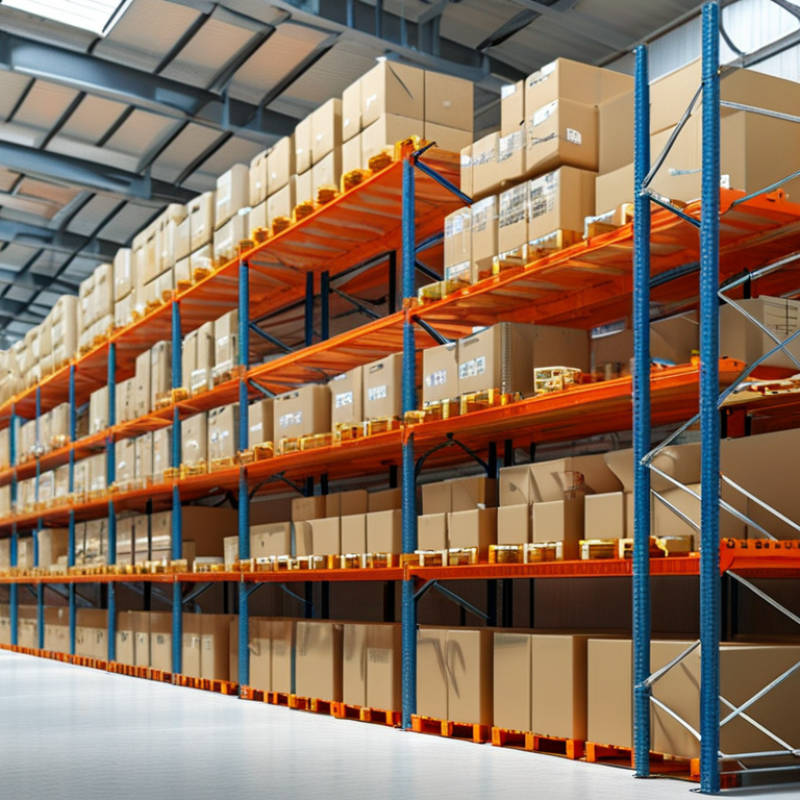
China Top Medium Duty Storage Racks for Global Buyers?

What Are Medium-Duty Storage Racks?

China Top Medium Duty Storage Racks for Global Buyers?

What Are Medium-Duty Storage Racks?

Medium-duty storage racks are steel shelving systems designed for loads between light shelving and heavy pallet racks. They commonly support cartons, tools, spare parts, and boxed inventory. Typical levels hold several hundred kilograms, but the safe capacity depends on beam length, frame height, decking, and load distribution. There is no universal “medium-duty” rating.

In practical warehouse planning, these racks suit hand-loaded operations. Workers place items directly onto shelves without forklifts. A four-level unit may fit beside a packing table, while adjustable beams help accommodate different carton heights. Powder-coated surfaces can resist ordinary warehouse wear, although coating quality varies. Boltless designs often allow faster assembly, but some applications need bolted connections for greater stability.

Reliable selection starts with measured data, not attractive photographs. Buyers should check the maximum load per level, total bay capacity, upright thickness, shelf deflection, and floor condition. Loads should remain centered, with heavier cartons stored lower. Safety clips, end stops, and aisle clearance also matter.

Small details matter.

A common mistake is treating every rack with the same capacity. A long shelf may carry less than expected when goods are unevenly placed. Rack labels can also mislead if they omit testing conditions or safety factors. Before purchasing, request load tables, installation guidance, inspection procedures, and replacement-part information. Even experienced teams should review the layout after real stock arrives; warehouse behavior rarely matches the first drawing.

Why Choose China-Made Medium-Duty Storage Racks?

Why Choose China-Made Medium-Duty Storage Racks?

China-made medium-duty storage racks offer a practical balance between load capacity, price, and customization. They suit warehouses, workshops, archives, and retail backrooms. Many suppliers can adjust beam lengths, upright heights, shelf spacing, and surface finishes. This flexibility helps buyers use narrow spaces more effectively. It also reduces wasted floor area.

Reliable production depends on more than low pricing. Experienced manufacturers inspect steel thickness, weld quality, hole alignment, and coating coverage. Buyers should request load calculations, assembly drawings, material details, and inspection records. Sample testing is useful before a large order. In real warehouse projects, small differences in beam deflection can affect safety and daily handling. Packaging quality also matters, especially during long-distance shipping. A damaged upright can create delays and unexpected replacement costs. China offers strong manufacturing capacity, but not every supplier applies the same controls. That point deserves careful attention.

Tips: Compare tested load ratings, not only advertised capacity. Confirm whether ratings apply to each shelf or the complete bay. Ask for photos of production and finished inspections. Check tolerances before installation. A low quote may hide thinner steel or weaker accessories. Leave room for honest review, because even a well-designed rack can fail when overloaded or assembled carelessly.

China Top Medium Duty Storage Racks for Global Buyers? – Why Choose China-Made Medium-Duty Storage Racks?

Evaluation Dimension Typical Medium-Duty Range Common Buyer Requirement Why It Matters for Global Buyers
Load capacity per level Approximately 200–800 kg per level Capacity selected according to product weight, shelf spacing, and beam length Covers cartons, spare parts, tools, archive boxes, and other manually handled inventory
Typical bay width 900–2,400 mm Width matched to carton dimensions and required picking access Supports flexible layouts for warehouses, workshops, retail backrooms, and archives
Typical frame depth 400–1,200 mm Depth chosen to avoid excessive reach distance during manual picking Improves storage density while maintaining practical access to goods
Common rack height 2,000–6,000 mm Height coordinated with ceiling clearance, sprinkler systems, and lifting equipment Allows buyers to use vertical space without exceeding site or safety limitations
Adjustable shelf pitch Commonly adjustable in 25–75 mm increments Shelf positions adapted to different carton and bin heights Reduces unused vertical space and supports changing inventory profiles
Typical structural materials Cold-formed or hot-rolled steel; common component thickness approximately 1.5–3.0 mm Material grade and thickness verified against the calculated load Provides a balance between structural strength, product weight, and shipping efficiency
Shelf deck options Steel panels, wire decking, MDF/plywood panels, or laminated boards Deck selected according to load distribution, fire requirements, and product type Enables configuration for cartons, bins, irregular items, and ventilated storage
Surface treatment Powder coating or galvanized finish Finish selected according to indoor humidity, corrosion exposure, and appearance requirements Supports durability in offices, warehouses, workshops, and semi-exposed areas
Configuration flexibility Single-sided, double-sided, stepped, back-to-back, or multi-bay layouts Layout designed around aisles, picking routes, access doors, and work areas Makes the system suitable for both compact storage rooms and larger distribution facilities
Assembly method Boltless clip-in systems or bolted structural connections Method selected according to required mobility, capacity, and installation conditions Can reduce installation time and simplify future reconfiguration
Relevant technical references EN 15512, FEM 10.2.02, ANSI/RMI MH16.1, and applicable local regulations Buyer specifies the standard required for the destination market Improves design verification, documentation quality, and project acceptance
Export customization Custom dimensions, colors, shelf types, labels, guards, and packaging Specification finalized through drawings, load tables, and packing requirements Helps align the rack system with local warehouse conditions and import requirements
Total cost considerations Product price, packaging, freight, duties, installation, and maintenance Comparison based on delivered cost rather than unit price alone Provides a more reliable basis for international procurement decisions
Data note: The figures shown are commonly used industry ranges for medium-duty storage rack planning, not universal product ratings. Actual safe working loads must be confirmed through structural calculations, approved drawings, testing documentation, and the regulations applicable in the installation country.

How to Compare Rack Types, Materials, and Load Capacities

For global buyers, rack comparison should begin with warehouse behavior, not catalog photos. Selective pallet racks suit many SKUs and direct forklift access. Double-deep racks improve density but reduce immediate access. Carton-flow racks support fast picking, while cantilever racks fit long steel, timber, or pipe. MHI’s 2024 Annual Industry Report identifies labor shortages as a continuing supply-chain concern. That makes ergonomic picking details commercially important.

Material choice affects service life. Cold-rolled steel offers consistent dimensions and cleaner weld control. Powder coating suits dry indoor areas, but galvanized surfaces perform better in humid warehouses. Check coating thickness, weld penetration, and beam-end connector fit. EN 15629 and EN 15512 provide useful European design references. A supplier should also provide traceable steel certificates and static-load test records.

Capacity comparisons often hide the real risk. A “500 kg shelf” may mean evenly distributed loading, not one concentrated carton. Request shelf load, bay load, beam span, upright height, and safety factors separately. WERC’s 2024 industry benchmarking continues to emphasize measurable warehouse performance, yet rack quotations often omit aisle width and floor-flatness assumptions. That omission is costly. In practical inspections, overloaded middle shelves and damaged uprights appear more often than dramatic structural failures. Leave clearance for sprinklers, forklifts, and future SKU changes. The best specification may still need revision after a physical site survey.

What Standards Should Global Buyers Check?

Global buyers selecting China-made medium-duty storage racks should verify standards before comparing prices. MHI’s 2024 Annual Industry Report found that 83% of supply-chain professionals planned to increase technology and innovation investment. That investment often changes pallet flow, forklift traffic, and rack loading. The rack must match the operation, not only the catalogue drawing.

Ask for structural calculations based on EN 15512 or ANSI MH16.1, depending on the destination market. EN 15635 also provides practical guidance for inspection, damage control, and safe rack use. Check beam deflection, upright capacity, connection strength, seismic assumptions, and floor anchoring. Request steel mill certificates, welding records, coating specifications, and a load plaque showing allowable loads. Measure twice.

The International Labour Organization estimates that nearly three million workers die annually from work-related accidents and diseases. Rack failure is preventable, but weak inspection systems remain a serious concern. Require documented inspections after installation and after forklift impact. Confirm pallet dimensions, aisle width, forklift clearance, and local fire-code requirements in writing. A certificate helps, but it is not proof of safe installation. I would not accept a polished drawing alone; site conditions, uneven floors, corrosion, and changing loads can expose gaps. This detail is often missed.

China Medium-Duty Storage Racks for Global Buyers: ISO Pallet Footprint Check

Pallet footprint is a basic dimension to verify before purchasing medium-duty storage racks. The chart uses pallet formats listed in ISO 6780 and compares their floor area in square metres. Buyers should confirm beam length, upright spacing, rack depth, load capacity, pallet clearances, and local requirements such as EN 15635 or ANSI MH16.1. Pallet footprint does not represent rack load capacity.

Source: ISO 6780:2003, Flat pallets for intercontinental materials handling — Principal dimensions and tolerances.

How to Select a Reliable Chinese Storage Rack Supplier?

China’s medium-duty storage rack market attracts global buyers because factories can combine steel processing, welding, coating, and export packing. However, a low quotation is not proof of value. Grand View Research estimates that the global warehouse racking market will continue expanding through 2030, driven by e-commerce and distribution growth. This demand also increases supplier pressure.

Choose a Chinese supplier through evidence, not attractive photographs. Request mill certificates, steel grades, welding procedures, coating thickness records, and recent load-test reports. Confirm whether the design follows EN 15512, FEM guidance, or the standards required in your country. The 2024 MHI Annual Industry Report highlights continuing investment in warehouse automation and technology. Rack dimensions must therefore match forklifts, conveyors, aisle widths, and future expansion plans.

Visit the factory if possible. Watch a production line, inspect weld consistency, and check whether finished frames stand square on a flat surface. Ask for shipment references with similar bay heights and load capacities. An independent inspector should verify material thickness, beam deflection, packaging, and random samples before shipment. ISO 9001 supports process control, but it does not guarantee every rack is safe. I have seen specifications look complete while omitting floor-load limits. That detail can become expensive. A reliable supplier explains tolerances clearly, admits limitations, and provides traceable corrective records. According to the 2023 World Steel Association data, global crude steel production exceeded 1.8 billion tonnes, yet steel availability alone says little about fabrication quality.

FAQS

: Why choose China-made medium-duty storage racks?

: They balance load capacity, price, and customization. They suit warehouses, workshops, archives, and retail backrooms. Suppliers may adjust beam lengths, upright heights, shelf spacing, and finishes. This helps use narrow floor areas efficiently. Not every supplier offers equal quality.

What custom details can buyers request?

Buyers can request specific shelf spacing and upright heights. Beam lengths can match available wall space. Surface finishes may suit humid or dusty environments. Leave enough clearance for forklifts and workers. A perfect drawing may still fail onsite.

How can buyers compare rack quality?

Compare tested load ratings, not advertised capacity alone. Ask whether the rating covers one shelf or the complete bay. Check steel thickness, weld quality, hole alignment, and coating coverage. Request inspection photos and production records. Small defects matter.

Which documents should suppliers provide?

Request structural calculations and assembly drawings. Ask for material details, steel certificates, and welding records. Coating specifications should be clearly stated. A load plaque should show allowable loads. Certificates alone cannot prove safe installation.

What structural information needs checking?

Check beam deflection, upright capacity, and connection strength. Review seismic assumptions and floor-anchoring requirements. Confirm pallet sizes, aisle widths, and forklift clearances. Destination-market standards should guide the design. Measure twice.

Why is sample testing useful?

Sample testing can reveal weak connections or excessive beam movement. It also checks dimensions before a large order. Test assembly can expose poor hole alignment. This may prevent expensive replacements later. Skipping tests feels efficient, but it may not be.

How important is packaging during shipping?

Packaging protects uprights, beams, and connectors during long-distance transport. A bent upright can delay installation. Replacement parts may increase total costs. Inspect cartons and metal surfaces after delivery. Photograph damage immediately.

What should happen after installation?

Inspect the racks after installation and forklift impacts. Check uneven floors, corrosion, loose connections, and changed loads. Display allowable loads where workers can see them. Train users to avoid overloading shelves. Careless assembly can defeat good engineering.

Conclusion

Medium Duty Storage racks are practical systems designed for warehouses, workshops, retail backrooms, and industrial facilities that need more strength than light shelving without the cost of heavy-duty pallet racks. This guide explains how to evaluate rack structures, including boltless, adjustable, and modular designs, as well as materials such as galvanized steel and powder-coated steel. Buyers should compare dimensions, beam and shelf capacity, load distribution, adjustability, durability, and ease of installation to match their operational needs.

China-made Medium Duty Storage racks can offer flexible customization, competitive pricing, and a broad range of production options for global buyers. However, successful sourcing requires careful quality assessment. Buyers should verify applicable safety standards, testing documents, load ratings, corrosion protection, packaging, and export experience. A reliable Chinese supplier should provide clear specifications, consistent communication, sample or inspection support, transparent production details, and dependable after-sales service. By comparing suppliers based on quality, compliance, capacity, lead time, and total cost, buyers can select a safe and efficient storage solution for long-term use.

Madeline

Madeline

Madeline is a dedicated marketing professional with a wealth of expertise in our company's core offerings. With a keen understanding of the industry, she brings a unique perspective to her role, consistently delivering high-quality content that highlights the superior aspects of our products. As......