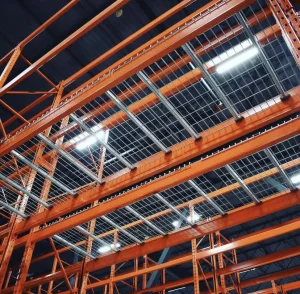
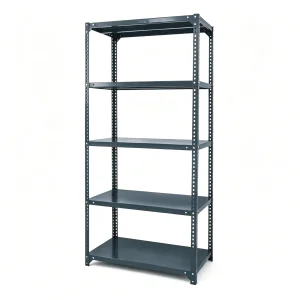
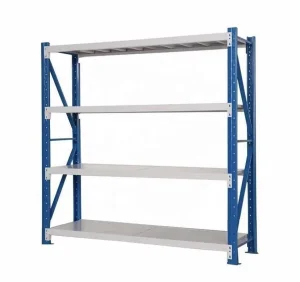
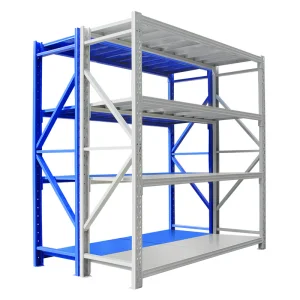
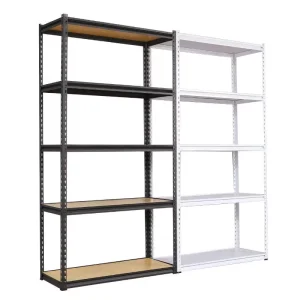
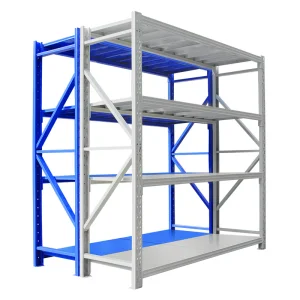
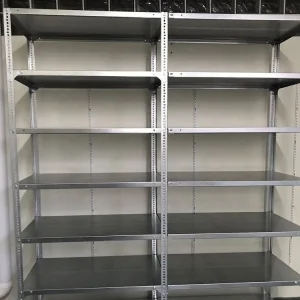
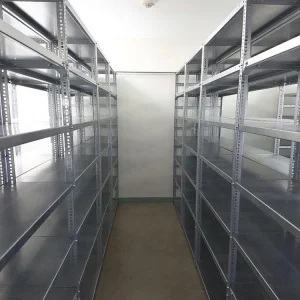
In the modern era of logistics, warehousing is no longer simply about holding stock; it is a critical hub within the global supply chain that determines delivery speeds, operational efficiency, and overall business scalability. The rise of multi-channel distribution networks, accelerated by global e-commerce demands and the growth of third-party logistics (3PL) providers, has created a critical need for structural storage systems that maximize vertical volume. Heavy-duty pallet racking systems have evolved from simple steel frameworks into highly engineered structural systems that support loads measuring several tons per bay.
Globally, the structural design of these racking systems is subject to strict engineering parameters. Safety standards such as the European EN 15512 and EN 15620, the US Rack Manufacturers Institute (RMI) guidelines, and Australian AS 4084 govern how these systems are engineered, calculated, and installed. For global buyers, finding a verified, CE-certified manufacturer is not just a regulatory box to tick; it is a fundamental safety requirement that protects human lives, massive material investments, and warehouse operational continuity.
"CE Certification for heavy-duty racking ensures that the structural calculations, welding integrity, material consistency, and load-bearing performance have been rigorously verified under European structural standards."
Established in 2015, Shenzhen Aliracking Industry Co., Ltd. is a leading manufacturer specializing in high-performance warehouse racking and industrial storage solutions. The company operates a state-of-the-art production facility covering an expansive area of 35,000 m². With over 12 years of industry experience and 8 years of direct export expertise, we deliver robust, high-density storage systems to businesses worldwide, generating an annual export revenue of $18 million.
Quality and safety are at the core of our manufacturing philosophy. We implement rigorous ISO 9001 certified Quality Assurance (QA) protocols alongside comprehensive Third-Party On-Site Inspections and Non-Destructive Testing (NDT) for load-bearing components. Supported by a dedicated team of 28 QA/QC specialists and 15 R&D engineers, we released 45 new product designs last year alone. Our strong engineering capability allows us to offer extensive customization options, including tailored structural dimensions, customized load capacities, specialized powder coatings, and OEM/ODM services to meet complex logistics demands.
Backed by a solid Foreign Trade Corporation background and a strong network of over 850 supply chain partners, Shenzhen Aliracking serves a global customer base across North America, Europe, Southeast Asia, and the Middle East. Our primary clients include 3PL Logistics Providers, E-commerce Fulfillment Centers, Large Distribution Warehouses, and Industrial Manufacturers. We remain committed to optimizing space utilization and improving operational efficiency for warehousing enterprises across the globe.
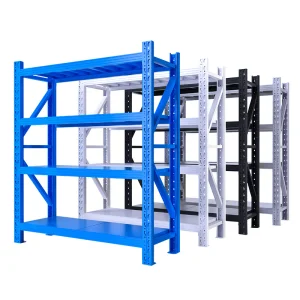
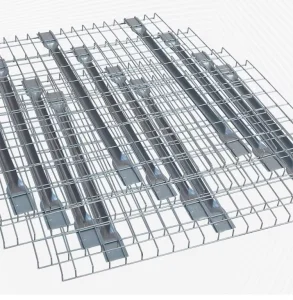
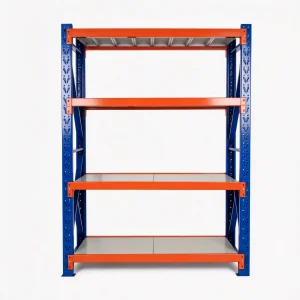
The production of industrial-grade racking systems requires high mechanical consistency and structural precision. Shenzhen Aliracking utilizes a fully integrated, automated manufacturing workflow to ensure that every cold-rolled upright profile, horizontal beam, and wire mesh deck exceeds load expectations. By combining automated roll-forming technologies, robotic carbon-dioxide-shielded welding, and automated powder coating lines, we maintain tight structural tolerances and clean, corrosion-resistant surface finishes.
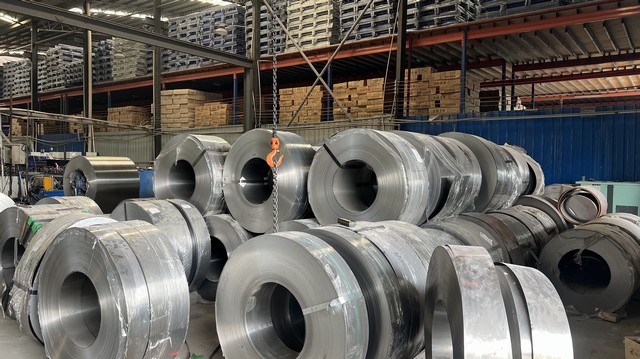
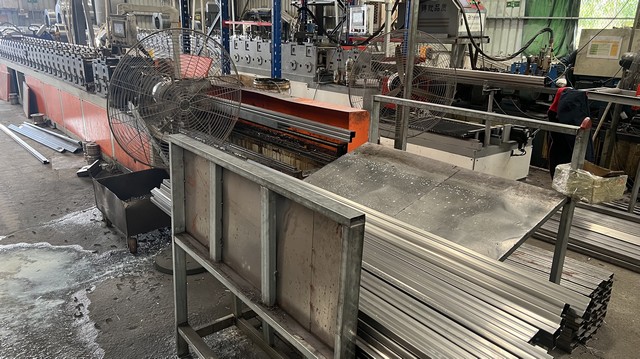
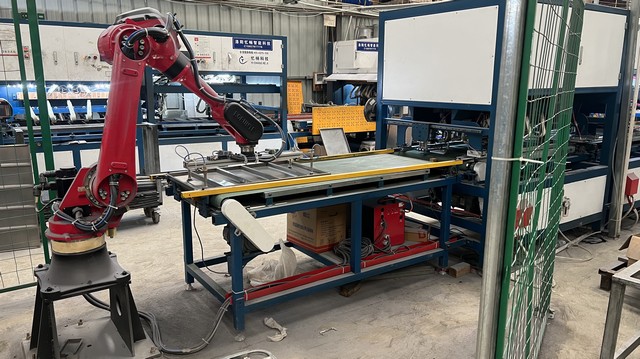
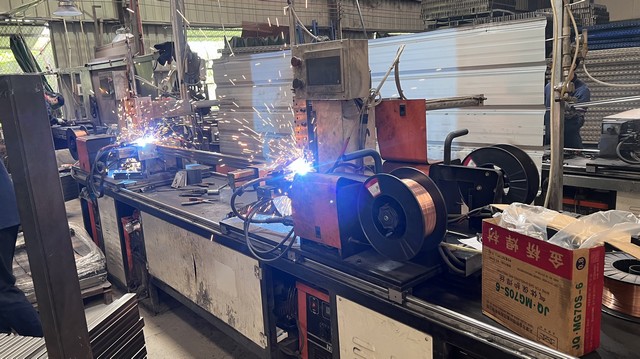
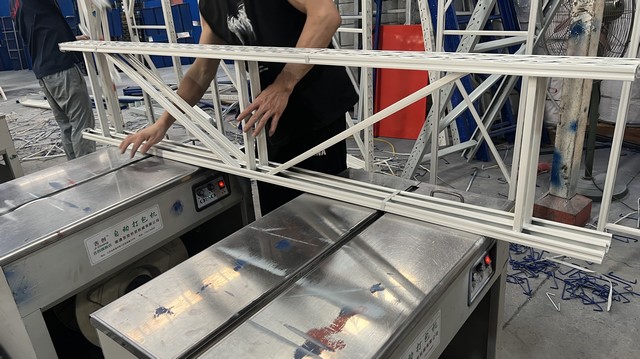
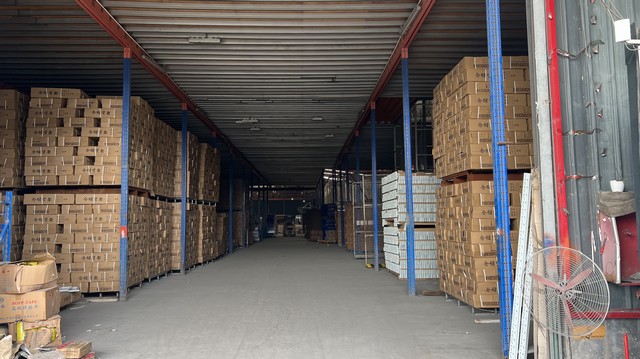
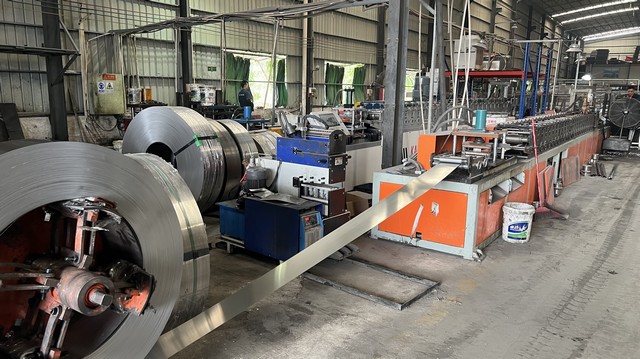
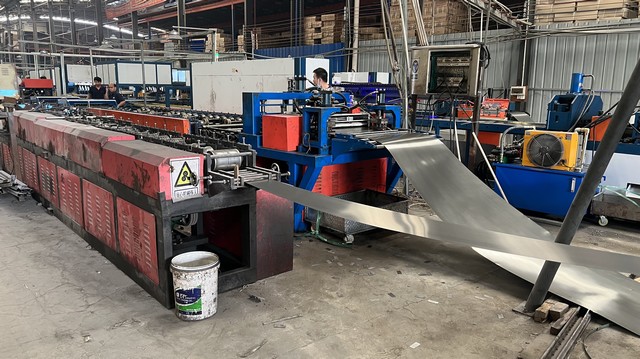
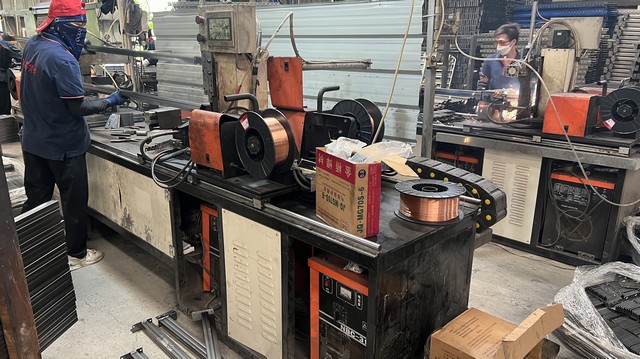
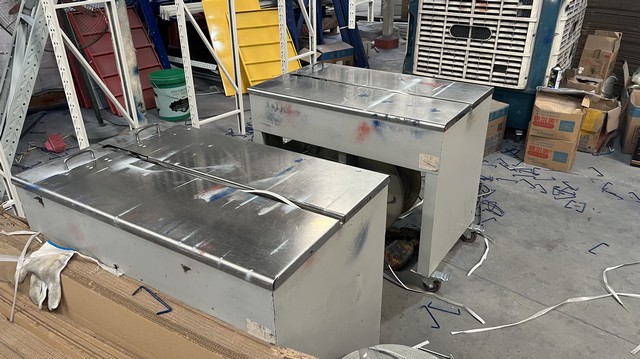
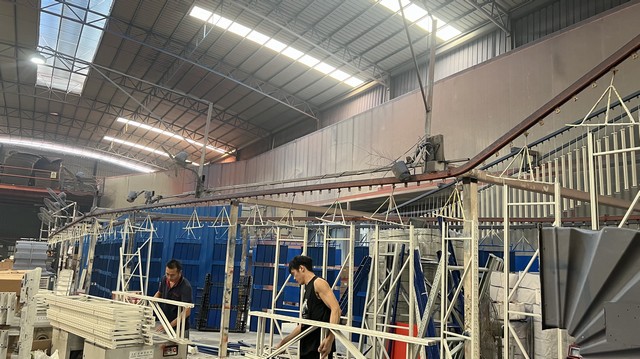
China's manufacturing prowess in heavy-duty racking systems is built on vertically integrated supply chains and specialized clusters. In regions such as Guangdong and Jiangsu, factories operate close to major steel producers, providing direct access to raw structural steel grades such as Q235B and Q355B (comparable to European S235JR and S355JR). This reduces raw material transport costs and assures material traceability from the hot-rolled coil stage.
Furthermore, our manufacturing facility uses state-of-the-art tooling, including automated multi-station punch presses and roll-forming machines. These lines process sheet coils into finalized structural upright frames in a single continuous pass, ensuring that pitch tolerances of upright punches remain within fractions of a millimeter. This precision is vital for the correct installation of beam end connectors and safety locks in high-bay structures.
For industrial racking, structural integrity is a safety necessity. Under the CE framework, structural elements must comply with the Machinery Directive and construction materials directives. Heavy-duty storage systems fall under standard EN 15512 (Steel static storage systems - Adjustable pallet racking systems - Principles for structural design).
At Shenzhen Aliracking, our structural design calculations utilize finite element analysis (FEA) software. We evaluate stress distribution, buckling limitations, and stability indices under various conditions:
A standardized, one-size-fits-all racking system rarely meets the challenges of varying site environments. Temperature, humidity, chemical exposure, and floor-slab load limits all dictate structural specifications:
In cold storage environments (ranging from 0°C to -30°C), steel undergoes ductile-to-brittle transitions. Normal carbon steel becomes fragile, increasing structural risk under impact. We use low-temperature structural steel grades combined with high-durability hot-dip galvanized finishes. Galvanized wire mesh panels and rack structures resist condensation-induced corrosion while retaining high yield strength at sub-zero temperatures.
For storage facilities located in high-salinity coastal zones or industrial chemical hubs, standard powder coating may degrade. We apply multi-stage chemical pretreatment, including iron-phosphating, followed by thick electrostatic thermosetting powder coatings. For harsher environments, hot-dip galvanization (minimum coating thickness of 60–80 μm) provides sacrificial barrier protection, ensuring a maintenance-free lifespan of 15+ years.
In active seismic zones, standard baseplates are insufficient. Our R&D team designs seismic-engineered oversized baseplates and concrete anchor structures. We utilize specialized frame bracings and portal ties to distribute seismic forces across the structure, ensuring compliance with local structural building codes.
To accurately calculate load capacity (Safe Working Load), we require the dimensions of your pallet (Width x Depth x Height), the maximum weight of a fully loaded pallet, the number of pallets per beam level, the total quantity of beam levels per bay, and the lifting parameters of your forklift. This data allows our engineers to calculate the precise steel thickness of the upright profiles and the appropriate box beam dimensions.
These are localized regional engineering standards for design safety. EN 15512 is the unified European standard, which utilizes limit state design principles. FEM 10.2.02 is the European Federation of Materials Handling design guideline, which preceded EN 15512 but is still widely referenced. RMI (Rack Manufacturers Institute) standard is prevailing in the United States and uses load and resistance factor design (LRFD) or allowable strength design (ASD). We engineer systems compliant with all three standards based on site installation requirements.
Our factory utilizes automated robot welding cells combined with manual welding checkpoints. Welding processes are monitored through Non-Destructive Testing (NDT), including dye penetrant inspections and ultrasonic checks on load-bearing weld seams (beam end connectors and baseplate joints). This prevents micro-cracks and structural weaknesses under load cycle changes.
Yes, our automated powder coating line is capable of custom formulations. We match any standard RAL color code. We utilize lead-free electrostatic epoxy-polyester powder thermosetting coatings, offering excellent adhesion, impact resistance, and corrosion barriers.
The standard production lead time is 20 to 25 days from drawing approval and deposit receipt. This timeline allows for cold rolling, stamping, welding, quality inspections, powder coating, and preparation of custom export packaging.
 Aliracking