Engineered for extreme sub-zero temperatures, delivering maximum density, durability, and corrosion resistance.
In the modern era of logistics, the global demand for refrigerated storage has reached unprecedented heights. Cold storage logistics, or cold chain warehousing, represents the backbone of global food security, pharmaceutical distribution, and fresh food e-commerce. However, operating a facility at sub-zero temperatures (ranging from 0°C to -30°C) presents highly complex engineering and economic challenges compared to standard ambient temperature warehousing.
The cost of cooling a cubic meter of warehouse space is exponentially higher than heating or ventilating it. Consequently, volumetric optimization is not merely a preference; it is a vital determinant of financial viability. Storage racking systems designed for cold storage facilities must address two simultaneous mandates: maximizing volumetric density to reduce refrigeration cost-per-pallet space, and ensuring structural integrity under continuous low-temperature conditions.
Additionally, structural steel reacts differently to intense cold. Typical carbon steel can suffer from low-temperature embrittlement, where structural members become brittle and prone to sudden fracturing if subjected to seismic loading or impact from dynamic operations. Selecting cold storage racks from advanced manufacturers requires a comprehensive evaluation of structural metallurgy, specialized coatings, automated system integration, and global safety standard compliance.
International cold chain operators, third-party logistics providers (3PLs), and industrial developers are increasingly seeking procurement partnerships directly with Chinese manufacturing centers. The reasons extend beyond production volume. Modern Chinese racking factories offer extensive customization, complex mechanical engineering services, and compliance with strict Western regulatory frameworks, representing a compelling Total Cost of Ownership (TCO) advantage.
When procuring cold storage racks globally, sourcing executives focus on several core criteria:
A premier Chinese manufacturing force specialized in advanced heavy-duty and medium-duty racking systems, engineered for maximum performance and rigorous safety standards.
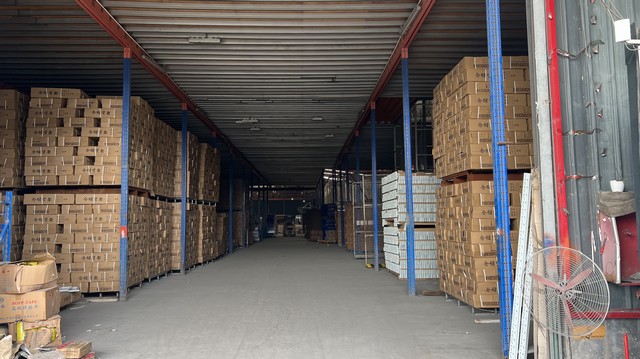
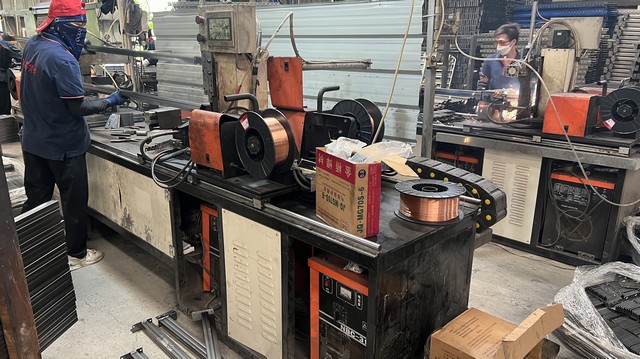
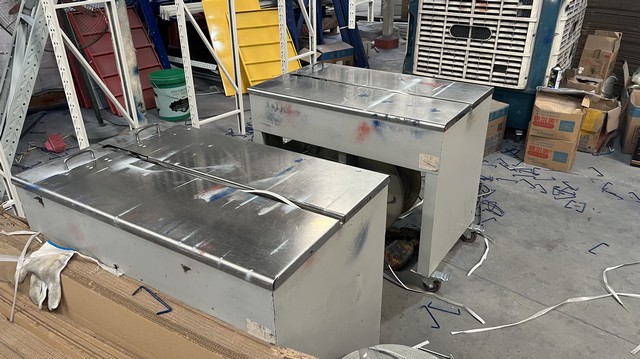
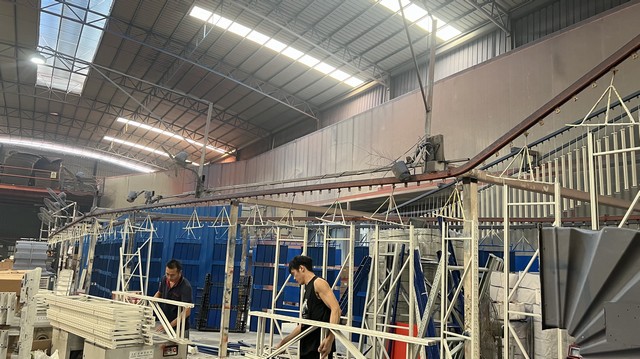
Established in 2015, Shenzhen Aliracking Industry Co., Ltd. is a leading manufacturer specializing in high-performance warehouse racking and industrial storage solutions. Operating a state-of-the-art production facility covering an expansive area of 35,000 m², our organization is structured to handle high-capacity industrial fabrication. With over 12 years of industry experience and 8 years of direct export expertise, we deliver robust, high-density storage systems to businesses worldwide, generating an annual export revenue of $18 million.
Quality and safety are at the core of our manufacturing philosophy. We implement rigorous ISO 9001 certified Quality Assurance (QA) protocols alongside comprehensive Third-Party On-Site Inspections and Non-Destructive Testing (NDT) for load-bearing structural components. Supported by a dedicated team of 28 QA/QC specialists and 15 R&D engineers, we released 45 new product designs last year alone, focusing on innovations in high-density configuration systems, corrosion resistant metallurgy, and automation-friendly structures.
Our strong engineering capability allows us to offer extensive customization options, including tailored structural dimensions, customized load capacities, specialized powder coatings, and comprehensive OEM/ODM services to meet complex logistics demands. Backed by a solid Foreign Trade Corporation background and a strong network of over 850 supply chain partners, Shenzhen Aliracking serves a global customer base across North America, Europe, Southeast Asia, and the Middle East. Our primary clients include 3PL Logistics Providers, E-commerce Fulfillment Centers, Large Distribution Warehouses, and Industrial Manufacturers. We remain committed to optimizing space utilization and improving operational efficiency for warehousing enterprises across the globe.
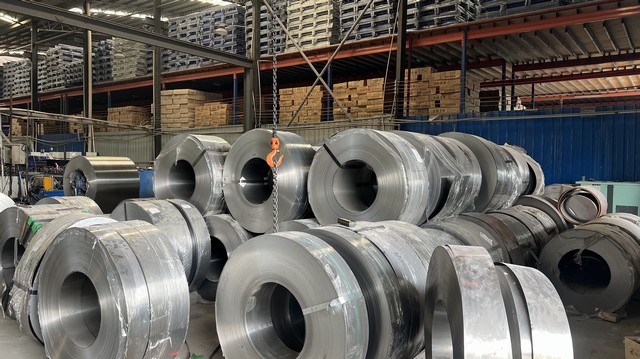
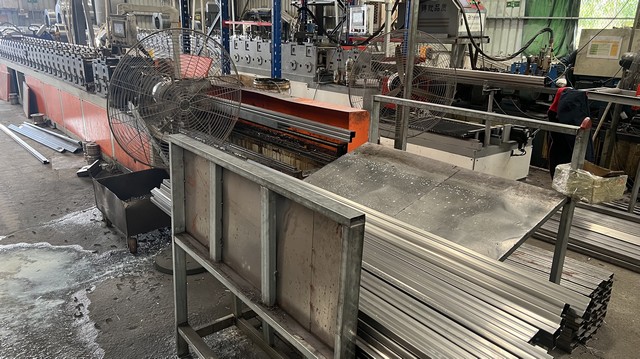
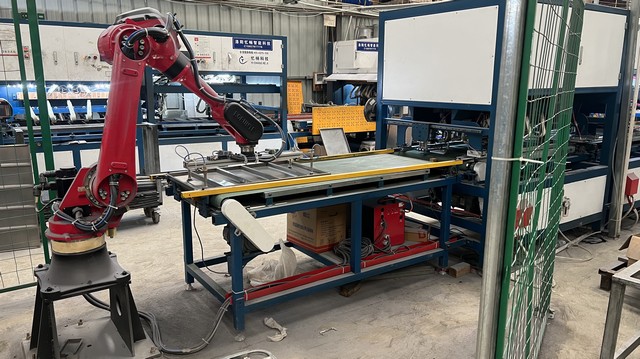
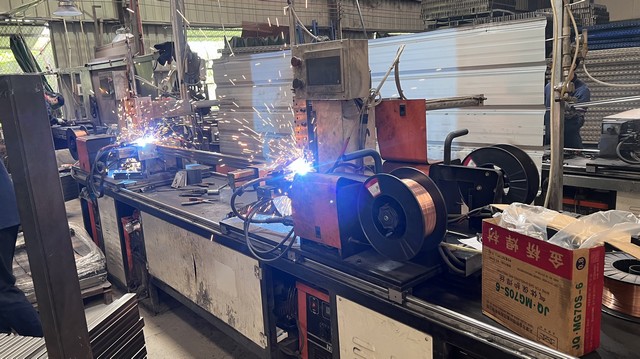
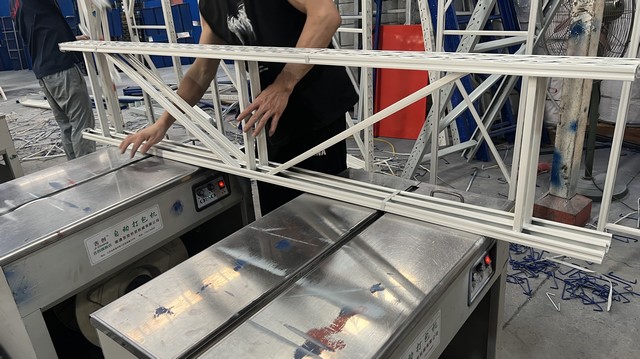
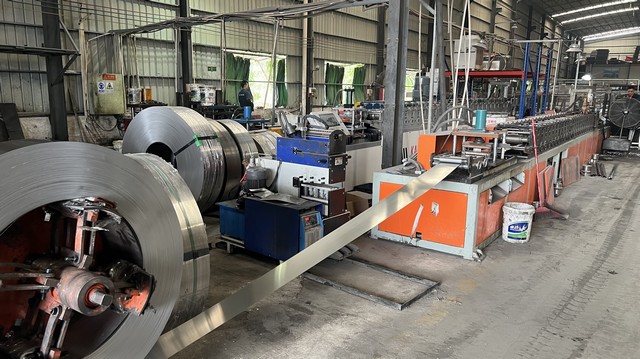
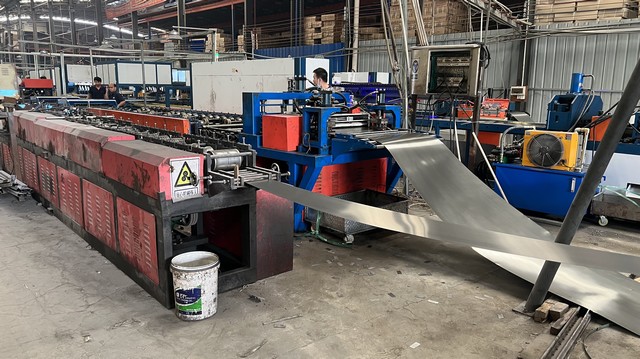
Every stage of production is executed under ISO 9001 guidelines to ensure structural durability, dimensional accuracy, and optimal load-bearing performance.
Cold chain operations use specific configurations based on the desired balance of accessibility and density. Standard selective racking is rarely utilized as a primary cold storage layout due to its high aisle-to-rack ratio, which reduces density. Instead, engineering projects typically select one of the following dynamic high-density configurations:
Radio shuttle racking represents the modern benchmark for high-density, multi-deep pallet storage in cold rooms. Utilizing an autonomous, low-temperature rated shuttle cart that runs on tracks within the storage lanes, the forklift operator does not need to enter the racking structure. This layout significantly reduces loading times, eliminates collisions with rack columns, and allows for deeper channels (up to 40+ pallets deep). It operates smoothly at temperatures down to -30°C using specialized lithium batteries designed for low-temperature operation.
Drive-in racking is a cost-effective, high-density storage solution. Forklifts enter the racking aisles directly to place or retrieve pallets. By eliminating service aisles, it can increase storage capacity by up to 75% compared to selective racking. To ensure safety in cold storage environments, upright columns must be reinforced with heavy-duty column guards, and the steel must possess high low-temperature impact strength to prevent structural damage in case of collision.
Mobile racking mounted on motor-driven base guides provides maximum space utilization with 100% selective accessibility. The racking blocks move laterally along floor tracks, opening only the specific aisle requested. This layout utilizes up to 85% of floor area for storage, reducing the footprint of the cold room and decreasing energy consumption.
Engineering racking systems for sub-zero environments requires careful selection of structural metallurgy. The standard carbon steel used for ambient warehouses is prone to brittle fracture under low-temperature conditions. When selecting materials, our R&D engineers utilize specific structural steel grades:
Essential questions answered by our structural design engineers regarding cold chain racking specifications and compliance.
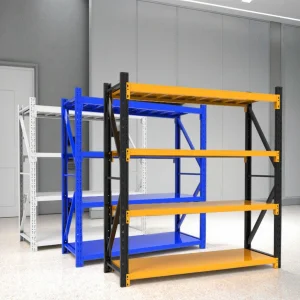
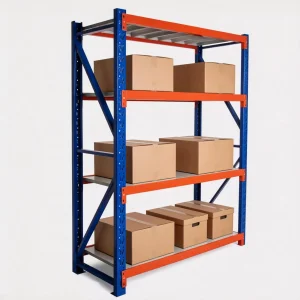
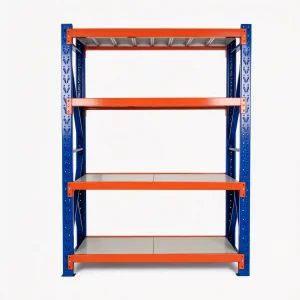
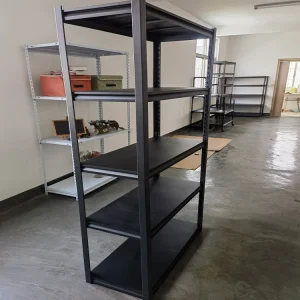
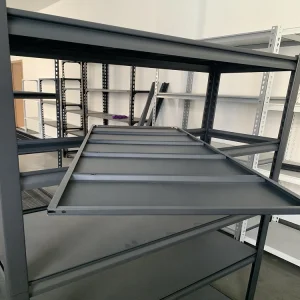
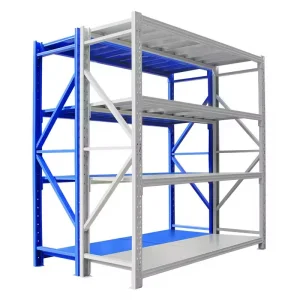
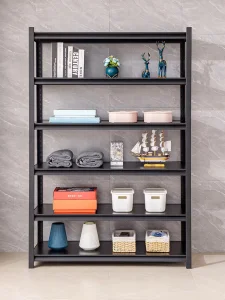
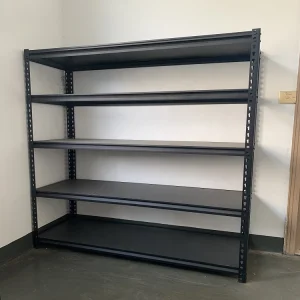
Explore our collection of custom structural racks, multi-level storage systems, and heavy-duty shelving units built for demanding logistics needs.
 Aliracking