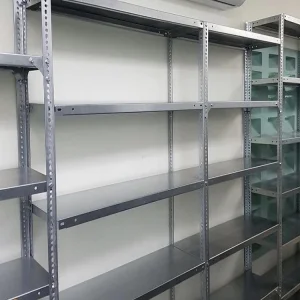
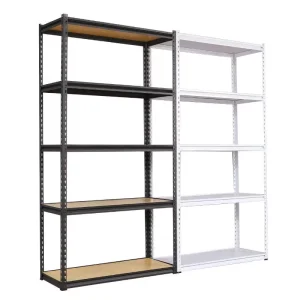
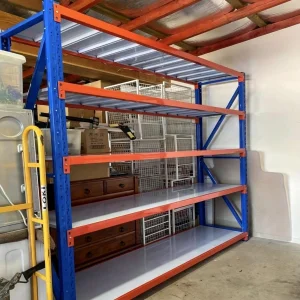
Engineered for extreme load capacities, durability, and complete lifecycle circularity.
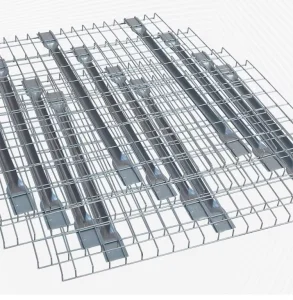
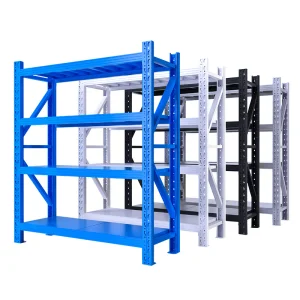
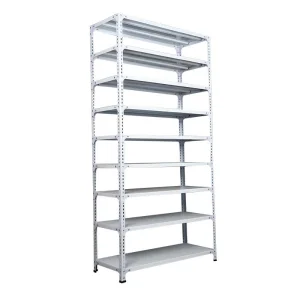
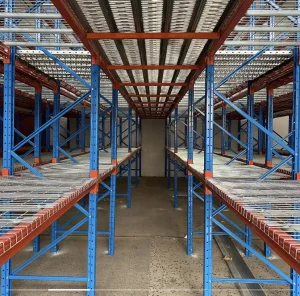
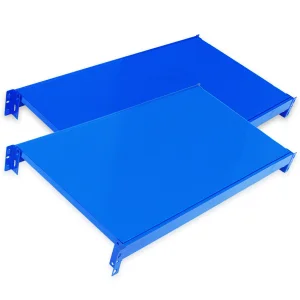
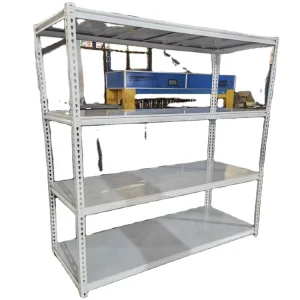
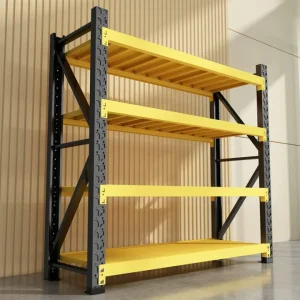
In the contemporary logistics ecosystem, supply chain managers face the complex task of reconciling rapid e-commerce expansion with strict corporate environmental goals. Under Scope 3 emissions frameworks, material handling systems and structural steel infrastructures represent significant components of a facility's lifecycle carbon footprint. As a leading voice in eco-friendly racking systems, Shenzhen Aliracking Industry Co., Ltd. (established in 2015) has pioneered low-carbon manufacturing systems, demonstrating that structural integrity and ecological responsibility can coexist effectively.
Integrating sustainability into high-density storage requires comprehensive analysis at every stage—from the raw steel metallurgy to the chemical composition of rust preventive coatings and final decommissioning. This whitepaper analyzes the engineering configurations, manufacturing processes, and compliance mechanisms defining modern green warehouse racking.
Traditional structural racking designs rely heavily on excessive raw steel density to ensure safe load limits, which increases both carbon footprints and material costs. Modern structural engineering is moving toward optimized high-strength, low-alloy (HSLA) steels. By implementing advanced cold-rolling processes, Aliracking achieves targeted yield strengths of Q355B steel, allowing for thinner structural profiles without sacrificing overall load capacities. This reduces total steel usage by 12% to 18% compared to traditional hot-rolled configurations.
Furthermore, our materials development roadmap focuses on these critical technological improvements:
Tailored space-saving solutions designed for cold chain storage, 3PL logistics, and advanced manufacturing sectors.
Dynamic multi-product fulfillment structures designed for high stock turnover and fast SKU changes.
Maximize volume density in refrigerated zones to reduce overall cooling costs per pallet footprint.
Engineered systems designed to handle high mechanical stress and concentrated dynamic loads.
Inside Shenzhen Aliracking's 35,000 m² automated production facility, showcasing raw material processing, automated welding, and powder coating lines.
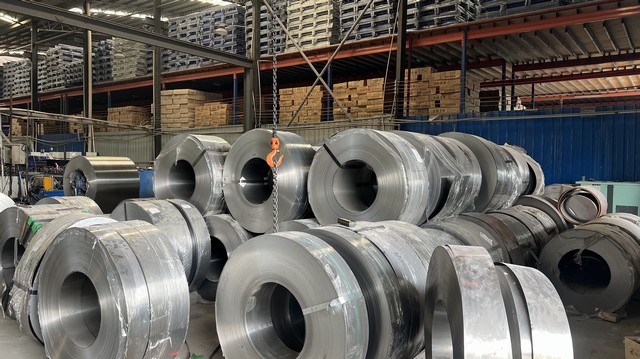
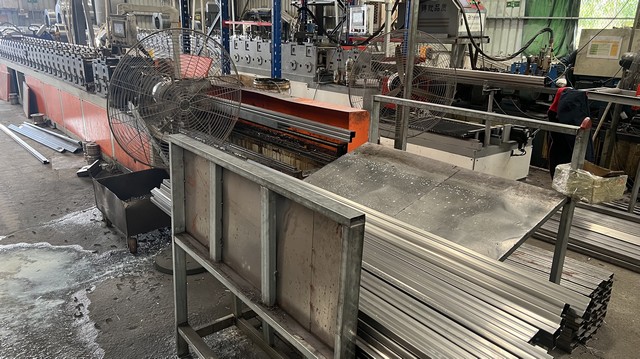
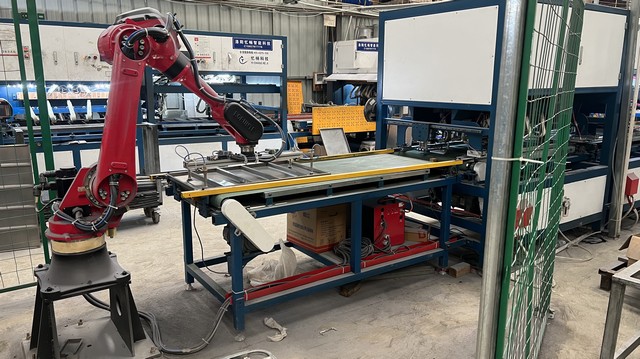
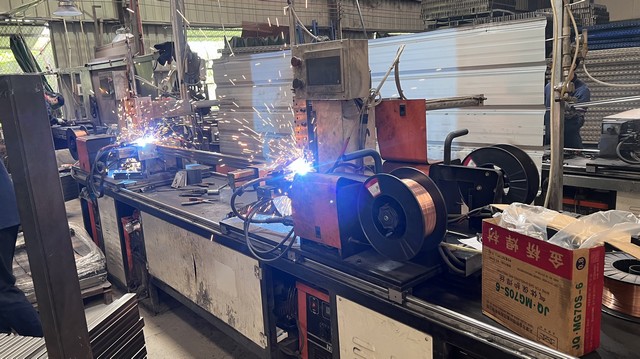
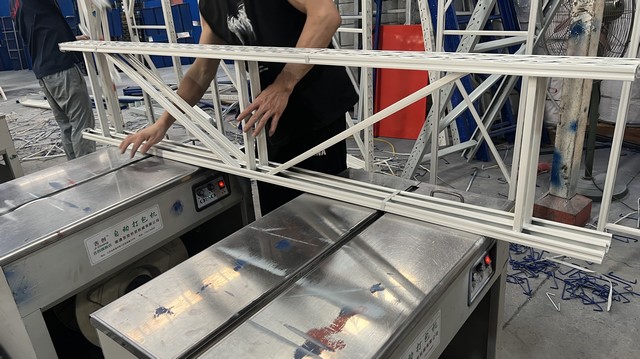
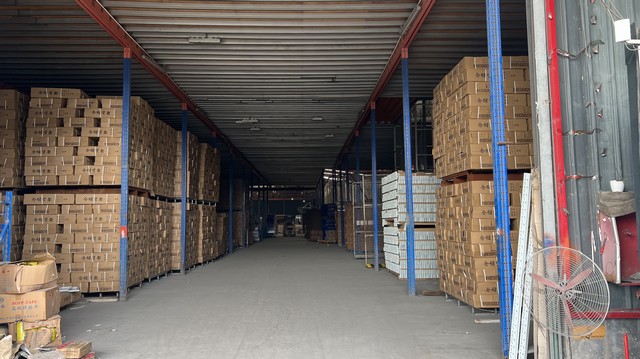
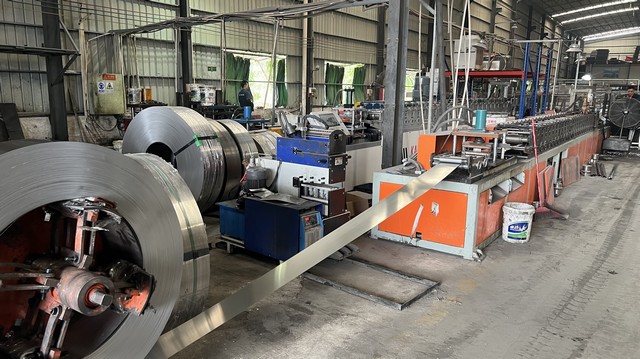
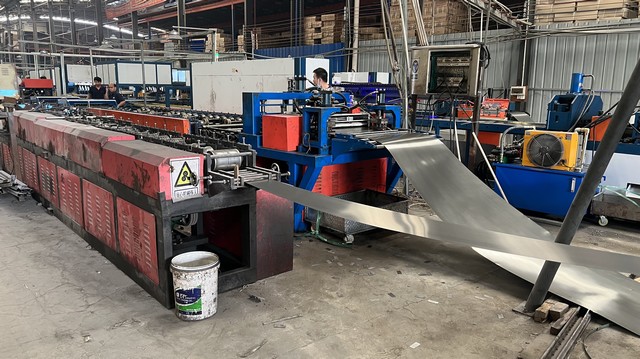
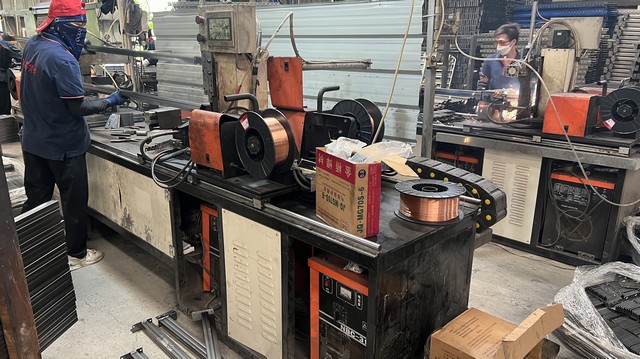
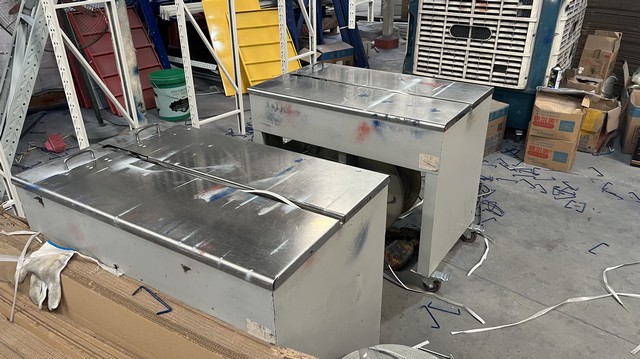
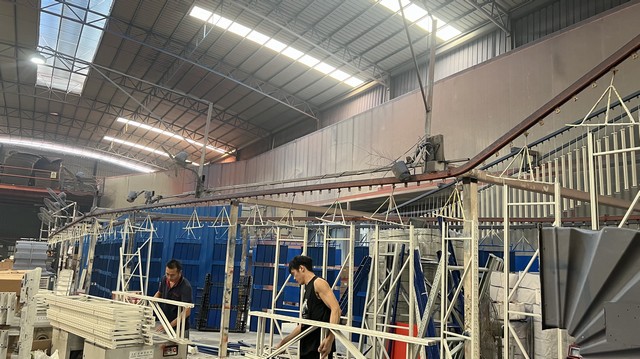
Through partnerships with over 850 raw material suppliers and shipping companies, Aliracking maintains stable material pricing and reliable delivery schedules. Our manufacturing facility combines automated rolling mills with robotic welding stations to ensure high dimensional accuracy across all production batches, helping to minimize structural assembly issues during site installations.
Industrial warehousing systems are critical structural configurations that must meet strict regional safety and building code standards. Under our ISO 9001 quality management framework, every racking batch undergoes rigorous structural and safety testing before dispatch. This protocol includes non-destructive testing (NDT) of weld joints to verify weld penetration, along with load deflection tests under maximum designed structural loads.
Our global engineering department adapts structural designs to meet several international building standards, including:
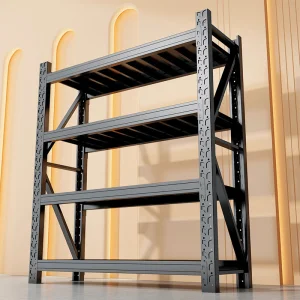
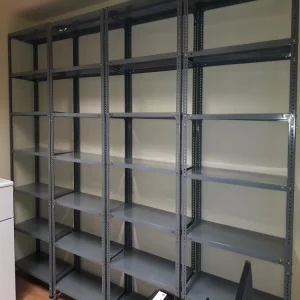
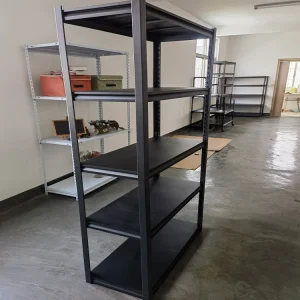
Modular storage units engineered to optimize picking efficiency across diverse warehousing layouts.
Detailed technical answers to key questions about sourcing, safety compliance, and sustainable materials.
 Aliracking