Discover our elite line of precision-engineered industrial shelving and smart storage systems engineered to optimize payload safety and space usage.
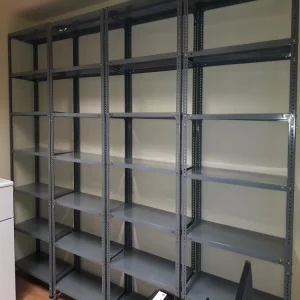
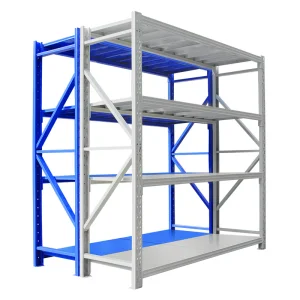
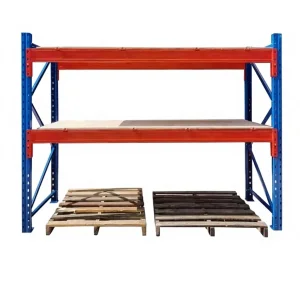
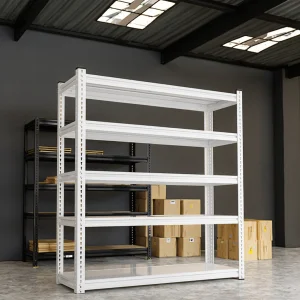
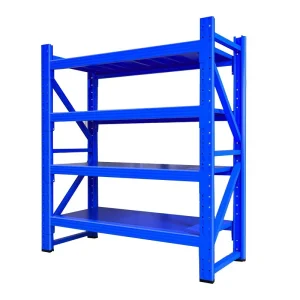
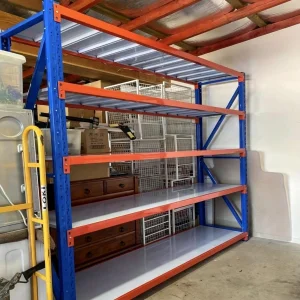
Shenzhen Aliracking Industry Co., Ltd. is a leading manufacturer specializing in high-performance warehouse racking and industrial storage solutions. Established in 2015, the company operates a state-of-the-art production facility covering an expansive area of 35,000 m². With over 12 years of industry experience and 8 years of direct export expertise, we deliver robust, high-density storage systems to businesses worldwide, generating an annual export revenue of $18 million.
Quality and safety are at the core of our manufacturing philosophy. We implement rigorous ISO 9001 certified Quality Assurance (QA) protocols alongside comprehensive Third-Party On-Site Inspections and Non-Destructive Testing (NDT) for load-bearing components. Supported by a dedicated team of 28 QA/QC specialists and 15 R&D engineers, we released 45 new product designs last year alone. Our strong engineering capability allows us to offer extensive customization options, including tailored structural dimensions, customized load capacities, specialized powder coatings, and OEM/ODM services to meet complex logistics demands.
Backed by a solid Foreign Trade Corporation background and a strong network of over 850 supply chain partners, Shenzhen Aliracking serves a global customer base across North America, Europe, Southeast Asia, and the Middle East. Our primary clients include 3PL Logistics Providers, E-commerce Fulfillment Centers, Large Distribution Warehouses, and Industrial Manufacturers. We remain committed to optimizing space utilization and improving operational efficiency for warehousing enterprises across the globe.
The automation revolution is transforming logistics. Global industries are moving from manual static racking towards high-density, automated 3D storage models.
Rapid e-commerce expansion, rising land prices, and growing labor shortages are pushing companies in North America and Europe to adopt automated storage and retrieval systems (AS/RS). The 4-Way Shuttle system has emerged as the premier solution due to its outstanding density and flexibility.
Unlike classic stacker crane systems that operate on fixed rails and create single points of failure, the 4-way shuttle moves freely across both longitudinal and lateral rails. This allows operations to dynamically scale their fleet size to match seasonal throughput peaks.
Modern supply chains focus heavily on energy optimization. 4-Way shuttles feature lightweight, low-power motors and onboard energy regeneration. This makes them highly energy-efficient, using up to 60% less power than traditional heavy storage machinery.
A 4-way shuttle setup is not just structural steel. It is a highly integrated, automated mechanical ecosystem governed by intelligent fleet dispatch algorithms.
| Feature System | Technical Characteristics | Operational Value |
|---|---|---|
| Mechanical Structure | Low-profile chassis design (<150mm), high-tensile alloy wheels, modular drive components. | Maximizes vertical space utilization and ensures rapid, easy maintenance access. |
| Power Management | High-capacity lithium iron phosphate (LiFePO4) battery packs or integrated supercapacitor banks. | Supports fast-charging cycles (charging 15 min for 4 hours of operation) and extends system lifespan. |
| Navigation & Positioning | Laser positioning arrays coupled with grid-based RFID markers and encoder systems. | Delivers millimeter-level positioning accuracy (±2mm) throughout the entire racking matrix. |
| Path Optimization Software | Dynamic fleet scheduling algorithms integrated with localized Warehouse Control Systems (WCS). | Avoids vehicle traffic jams, automatically resolves routing conflicts, and balances workloads. |
At the core of the system, the Warehouse Management System (WMS) communicates real-time storage coordinates to the Warehouse Control System (WCS). This system calculates dynamic path sequences for each shuttle, maximizing overall throughput and reducing unnecessary carrier movements.
Shuttle carriers are equipped with obstacle-detection lidar sensors, mechanical safety bumpers, and emergency braking systems. In the event of a vehicle outage, adjacent shuttle units can take over tasks automatically to maintain continuous operations.
Future upgrades include AI-driven predictive maintenance models, IoT sensor suites monitoring track deflection, and deep-learning logistics models. These technologies will automatically optimize seasonal stock placement based on order history.
Choosing a high-density racking system from Shenzhen Aliracking guarantees structural reliability, cost efficiency, and end-to-end quality control.
We use high-grade Q235B and Q345B carbon steel from top domestic mills, guaranteeing excellent structural load strength and reliable performance under heavy cargo stresses.
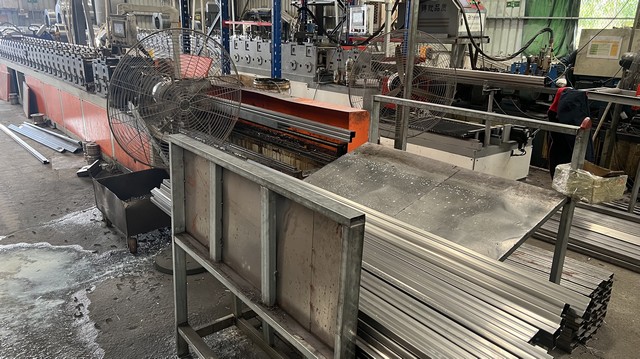
Our fully automated cold-rolling lines shape uprights and support beams with tight structural tolerances, which is critical for smooth, continuous 4-way shuttle travel.
We apply electrostatic powder coatings and hot-dip galvanizing, ensuring excellent resistance to moisture, wear, and rust, even in cold-storage operations.
Our 28 QA/QC specialists perform Non-Destructive Testing (NDT) and structural load simulations to guarantee that every system meets safety standards before dispatch.
4-Way shuttle systems excel in space-constrained and throughput-intensive warehouse operations across multiple industries.
In cold environments (-25°C to -30°C), cooling costs are high. 4-Way shuttle systems allow compact warehouse profiles, saving refrigeration space. Fitted with special low-temperature batteries and anti-condensation seals, these shuttles keep products moving safely without risking human exposure to freezing temperatures.
Pharmaceutical storage requires clean spaces and strict tracking control. Our shuttle storage operates oil-free and coordinates with digital warehouse logs. This allows automated tracking of batch codes and expiration dates, helping operations satisfy GMP/GSP requirements.
E-commerce fulfillment centers handle high volumes of diverse stock and experience major seasonal traffic spikes. The 4-way shuttle system allows operators to deploy extra shuttles on demand, keeping picking speeds fast and managing changes in volume during major sales events.
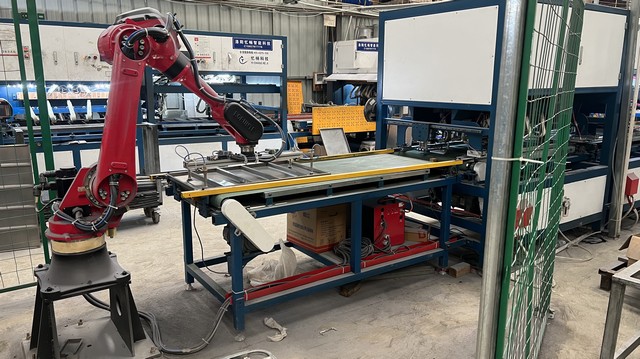
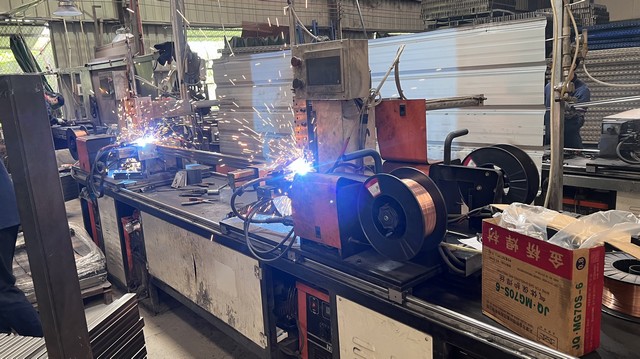
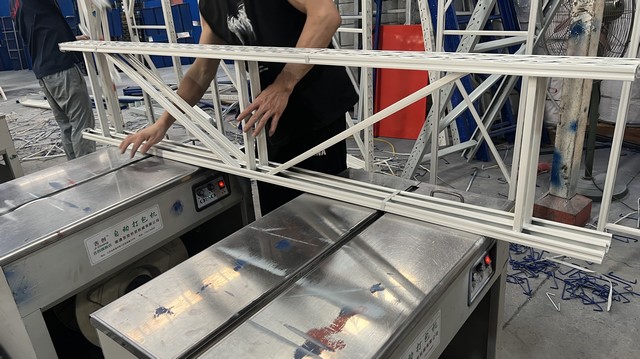
Every step in our manufacturing process, from raw steel selection to final packing, is carefully monitored to deliver premium structural stability.
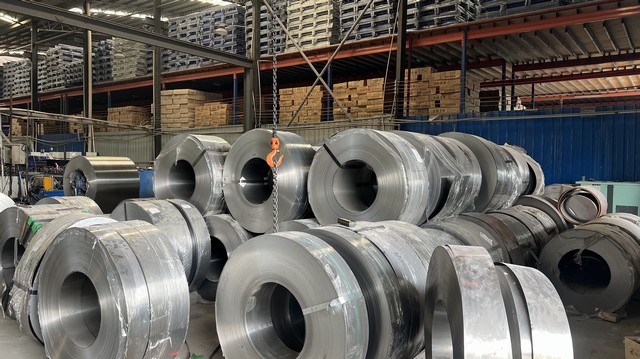
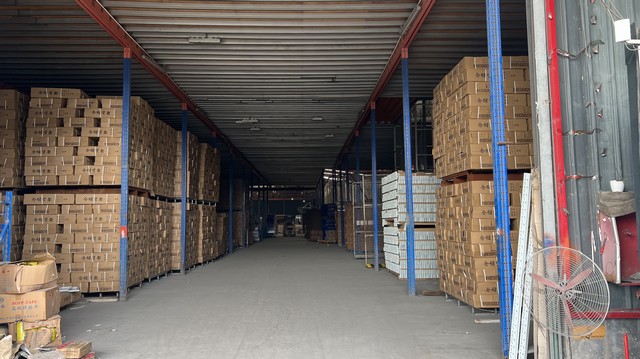
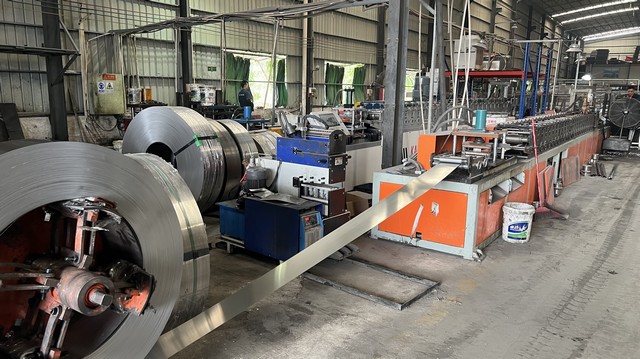
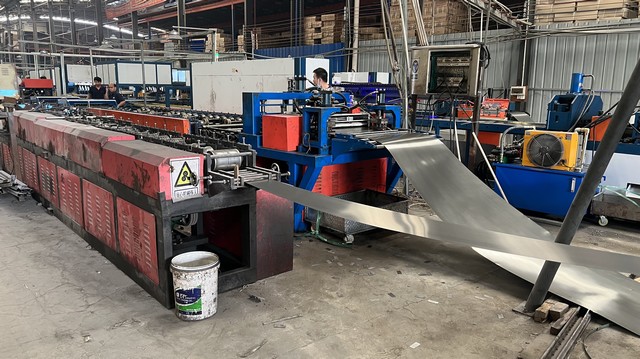
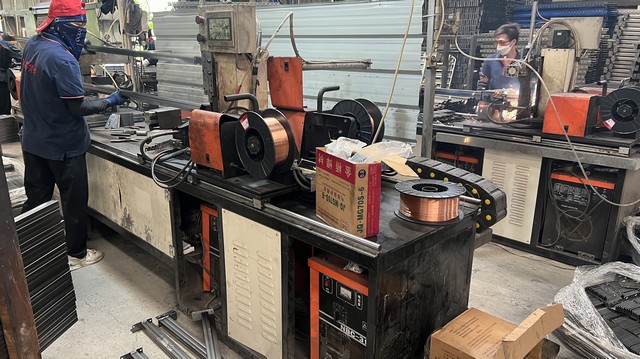
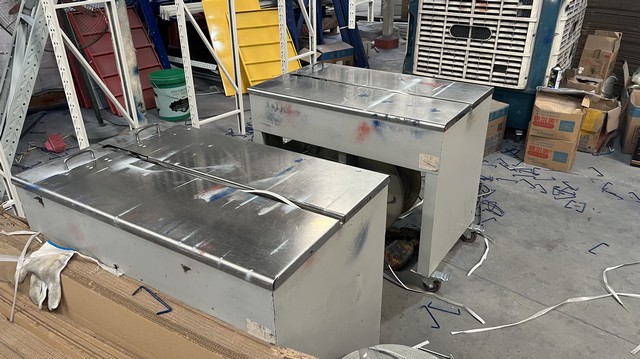
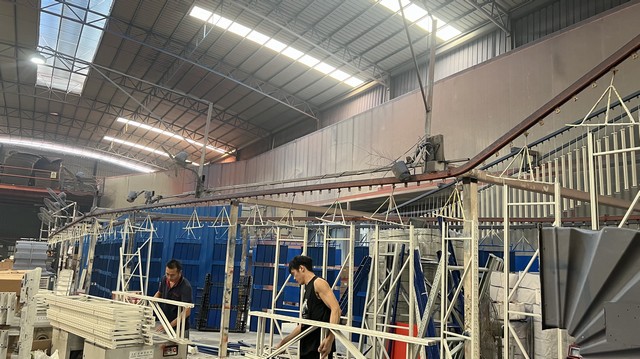
Our warehouse racking systems comply with strict international structural regulations, assuring safe installation and operation in any market worldwide.
Our products are engineered in compliance with international warehouse design guidelines, including FEM 10.2.02 (European Materials Handling Federation), RMI (Rack Manufacturers Institute), and ANSI standards, ensuring high load stability and safety levels.
We collaborate with regional mechanical integrators to support local site preparation, hardware alignment, sensor calibration, and software synchronization. This ensures quick startup times and minimizes operational delays.
We back our equipment with a comprehensive product warranty and offer remote software diagnostics. This ensures technical support is always available to maintain consistent warehouse operations.
Get expert answers to common technical queries about installing and operating automated 4-way shuttle systems.
A stacker crane system operates on a fixed rail within a single aisle, meaning a mechanical issue can halt work in that entire section. In contrast, a 4-way shuttle system allows individual shuttle vehicles to change aisles and levels independently. If one shuttle requires maintenance, other units automatically assume its tasks, maintaining warehouse throughput and avoiding single points of failure.
Standard 4-way shuttle racks are designed to handle payloads from 500 kg up to 1,500 kg per pallet position. For light-duty carton handling, mini-shuttle setups support lighter loads from 30 kg to 100 kg. Every racking system is structurally customized by our engineers based on your pallet profile and inventory weight requirements.
Yes, our systems are highly suited for cold-chain facilities. We use specialized, low-temperature structural steel that maintains its integrity under freezing conditions, along with internal electronics, wiring, and lithium batteries designed to operate reliably down to -30°C without condensation buildup.
Our Warehouse Control System (WCS) connects to major ERP platform databases via standard API protocols (Web Services, REST, TCP/IP, or SQL databases). This allows seamless data exchange, ensuring stock movements, shipping orders, and tracking numbers update instantly across your system.
Depending on regional land costs, labor rates, and daily throughput, most businesses see a return on investment within 24 to 36 months. The financial return is driven by a 90% increase in storage density, lower labor costs, fewer product losses from handling errors, and reduced energy use.
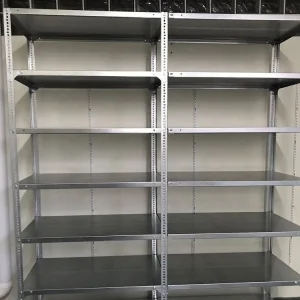
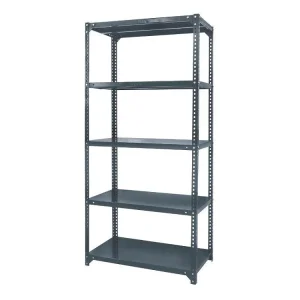
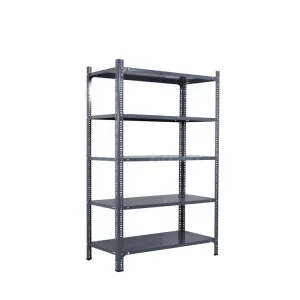
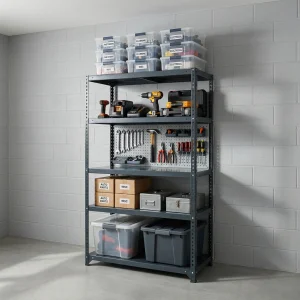
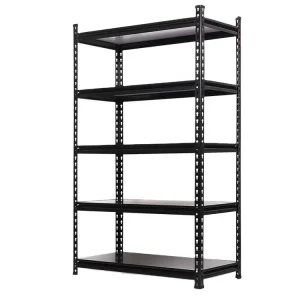
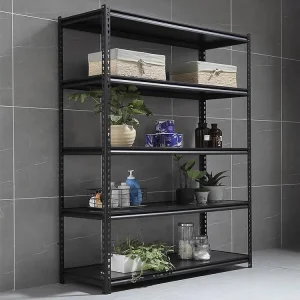
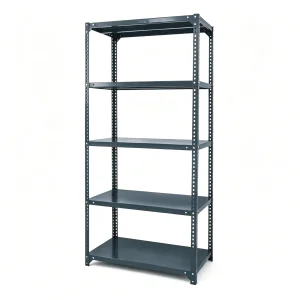
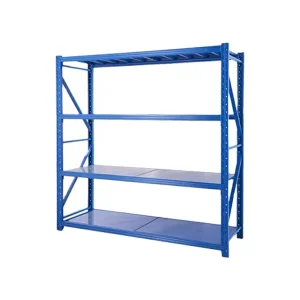
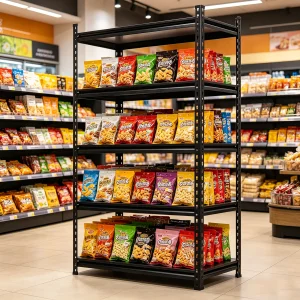
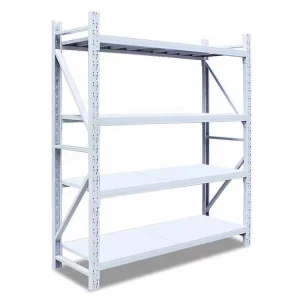
Explore our selection of versatile racking systems, ranging from light-duty boltless shelves to heavy-duty industrial storage.
 Aliracking