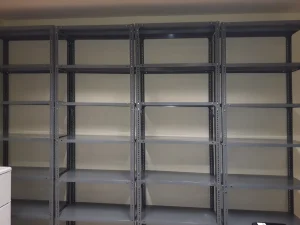
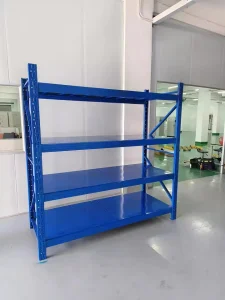
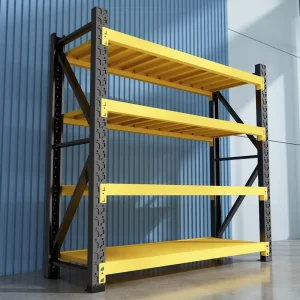
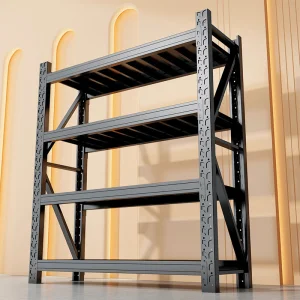
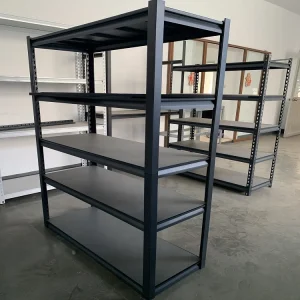
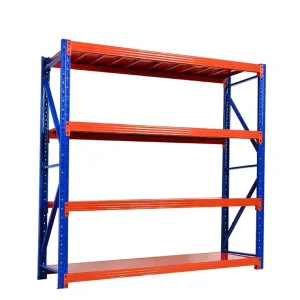
Engineered to bear immense payloads while maintaining absolute architectural integrity. Browse our primary heavy load warehouse configurations built from premium grade structural steel.
Shenzhen Aliracking Industry Co., Ltd. is a leading manufacturer specializing in high-performance warehouse racking and industrial storage solutions. Established in 2015, the company operates a state-of-the-art production facility covering an expansive area of 35,000 m². With over 12 years of industry experience and 8 years of direct export expertise, we deliver robust, high-density storage systems to businesses worldwide, generating an annual export revenue of $18 million.
Quality and safety are at the core of our manufacturing philosophy. We implement rigorous ISO 9001 certified Quality Assurance (QA) protocols alongside comprehensive Third-Party On-Site Inspections and Non-Destructive Testing (NDT) for load-bearing components. Supported by a dedicated team of 28 QA/QC specialists and 15 R&D engineers, we released 45 new product designs last year alone. Our strong engineering capability allows us to offer extensive customization options, including tailored structural dimensions, customized load capacities, specialized powder coatings, and OEM/ODM services to meet complex logistics demands.
All structural calculation reports are verified under international warehousing directives.
Heavy load racking systems serve as the structural backbone of modern logistics. Across the world, supply chain directors face diverse operational pressures when specifying industrial heavy-duty racking.
Third-Party Logistics (3PL) and massive e-commerce hubs process tens of thousands of SKUs daily. Their primary need is rapid access and modular flexibility. Selective heavy-duty racking systems must tolerate high frequency load cycles, dynamic forklift impacts, and easily adapt to varied pallet depths. Structural calculations must ensure load safety factors withstand sudden movements, preventing structural fatigue over decades of constant usage.
Real estate expenses force operators to decrease aisle spacing. Standard heavy-duty selective systems are giving way to VNA (Very Narrow Aisle) systems and automated double-deep racking. This design demands extreme manufacturing precision—specifically frame verticality tolerances within a fraction of a degree. Any structural deviation threatens collision between heavy reach trucks and structural upright beams.
For machinery, heavy steel rolls, automotive molds, and heavy raw materials, standard pallet racks are insufficient. Manufacturers demand customized high-capacity systems where localized load limits exceed 3,000 kg to 5,000 kg per level. These custom structural designs employ thick-walled box-beams, extra bracing diagonals, and non-destructive weld-tested beam connectors to prevent catastrophic collapse.
How industrial storage architecture is evolving to meet the demands of Smart Logistics and sustainable infrastructure.
The industry is shifting toward micro-alloyed, high-strength cold-rolled steel. This allows structural components to maintain high load capacities while reducing the self-weight of the steel structure. This change lowers shipment costs, eases installation, and reduces the carbon footprint during material processing and fabrication.
With climate instability and regional regulatory standards growing stricter, structural engineering must integrate high-fidelity finite element method (FEM) seismic dynamic simulation. Dynamic base isolators, heavy-duty floor anchoring bolts, and structural cross-bracing are custom calculated based on historical local geo-seismic database profiles.
Moving away from basic industrial paint finishes, modern storage solutions require advanced electrostatic powder coating. This process applies epoxy-polyester coatings cured at high temperatures to form a high-density, anti-corrosive, and scratch-resistant barrier. This ensures a long service life, even in non-climate-controlled marine or chemical storage environments.
Operating across diverse geographical boundaries demands a deep understanding of localized compliance standards. A high-density storage rack cannot simply be manufactured to standard sizes; it must comply with specific regional engineering rules to ensure workplace safety and pass government structural inspections.
Our products align with European standard EN 15512 and the FEM 10.2.02 guidelines. The manufacturing process accommodates specific requirements for deflection checks and the structural integrity of upright profiles, guaranteeing safety across European Union logistics centers.
For buyers in the US and Canada, our designs follow the Rack Manufacturers Institute (RMI MH16.1) criteria. Calculations account for dynamic impact loads, seismic design categories, and precise requirements for structural baseplates.
We satisfy Australian AS 4084-2012 structural standards. This mandates strict testing of beam-to-upright connectors and comprehensive shear strength testing to ensure stable operations in high-throughput distribution environments.
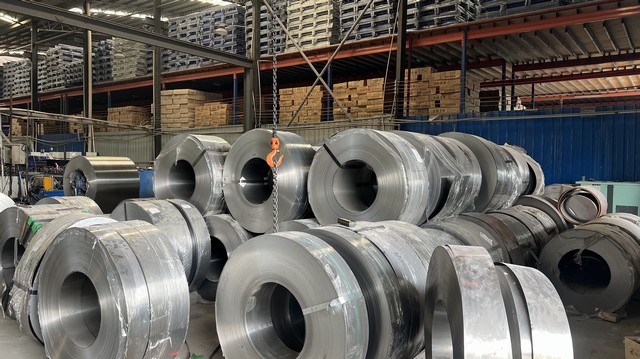
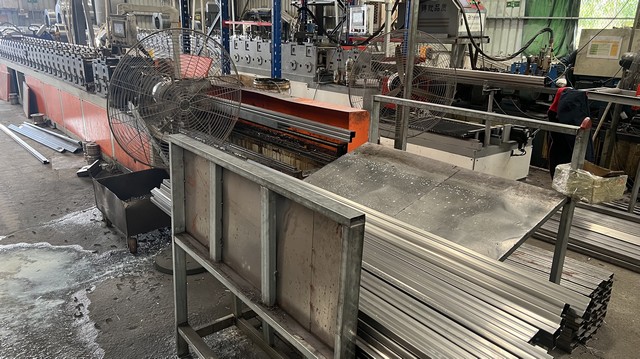
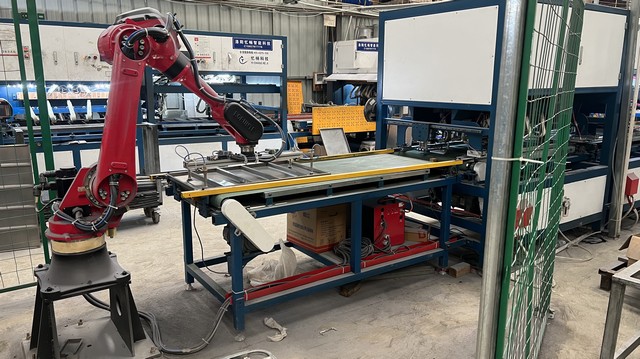
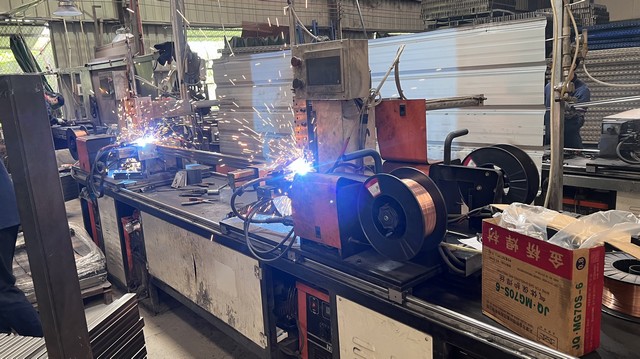
From raw cold-rolled steel coils to high-density finished components. Our integrated production facilities utilize automated machinery and QA/QC checkpoints at each step.
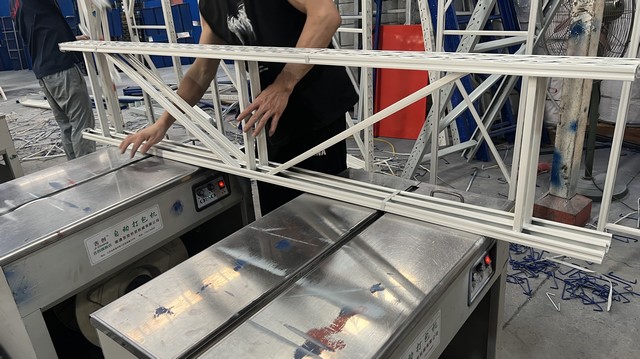
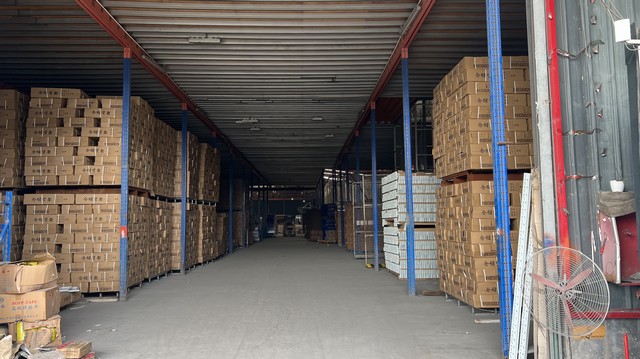
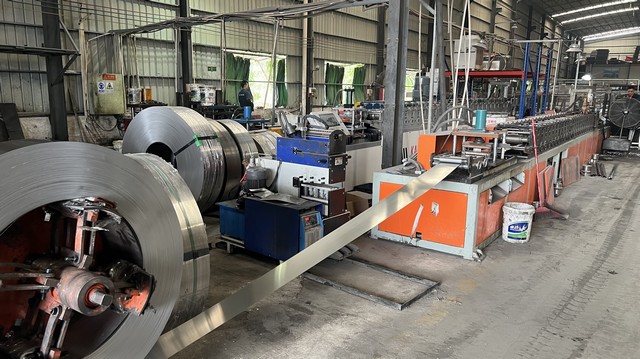
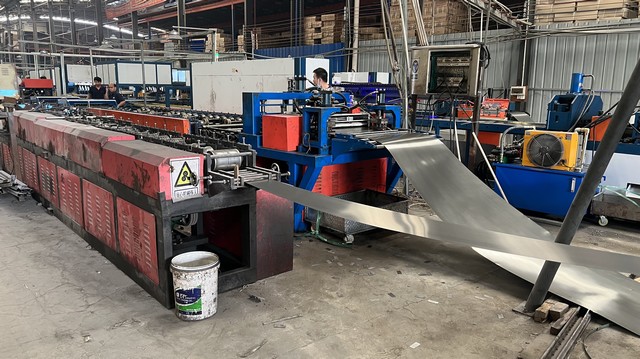
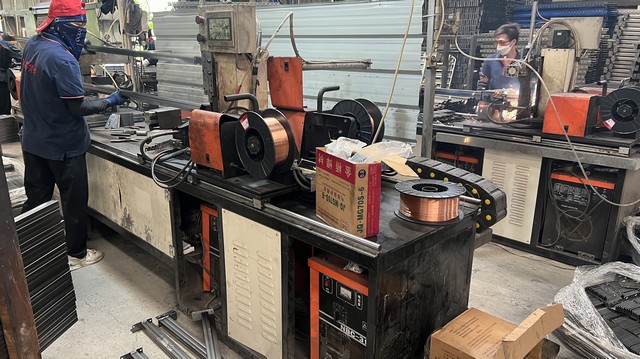
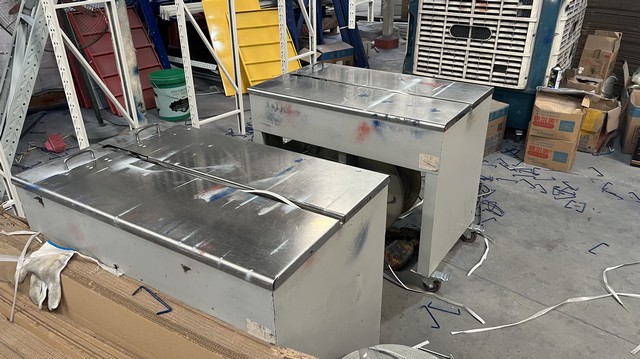
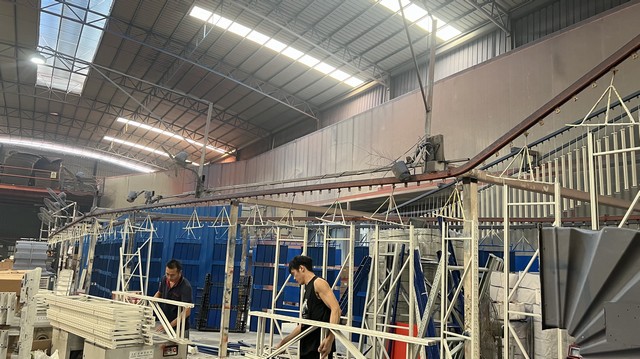
Direct technical insights from our R&D engineers on structural calculations, installation requirements, and quality parameters.
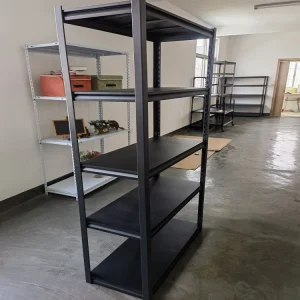
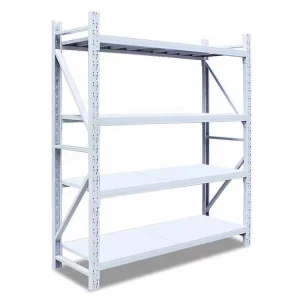
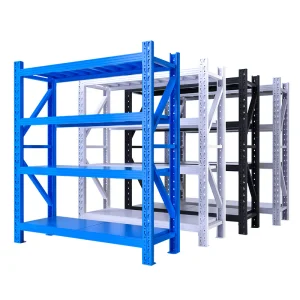
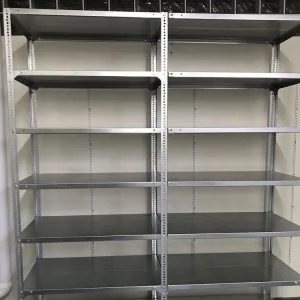
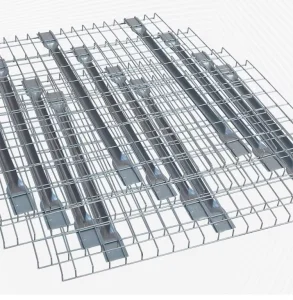
Explore our secondary configurations and component options designed to optimize space utilization across commercial, industrial, and garage spaces.
 Aliracking