Direct-from-factory high-durability steel racking solutions engineered for heavy-duty load compliance and maximum spatial density.
An analysis of high-density storage mechanics, steel chemistry, and international compliance structures in modern logistics hubs.
In the current global economic landscape, spatial efficiency in warehousing operations has evolved from a operational preference to a financial necessity. Rapid urbanization, skyrocketing commercial land premiums, and the explosive growth of omni-channel e-commerce have pushed traditional warehouse layouts to their structural limits. Standard selective racking systems typically require aisle widths ranging from 3.5 to 4.5 meters to accommodate conventional counterbalance forklifts. This layout sacrifices up to 40% of horizontal surface area purely for vehicular maneuvering.
Very Narrow Aisle (VNA) Storage Systems represent a paradigm shift in spatial engineering. By restricting configuration widths to between 1.5 and 1.8 meters and elevating vertical storage ceilings beyond 15 meters, VNA configurations effectively reclaim lost horizontal square footage and optimize the warehouse's cubic volume. To prevent collisions and ensure high-speed operations within such restricted margins, VNA environments rely heavily on guide rail systems (either physical steel profiles or wire-induction guidance loops) coupled with specialized turret trucks or Automated Guided Vehicles (AGVs).
However, compressing aisle tolerances places severe demands on structural integrity. Deflection tolerances must be strictly managed under full-load conditions. Raw materials must exhibit uniform mechanical properties, and manufacturing tolerances must be precise down to the millimeter. This is where the structural engineering and advanced metallurgic processing of elite manufacturers become critical to facility safety and longevity.
High-performance warehouse racking and storage systems manufactured under strict ISO 9001 quality assurance standards.
Shenzhen Aliracking Industry Co., Ltd. is a leading manufacturer specializing in high-performance warehouse racking and industrial storage solutions. Established in 2015, the company operates a state-of-the-art production facility covering an expansive area of 35,000 m². With over 12 years of industry experience and 8 years of direct export expertise, we deliver robust, high-density storage systems to businesses worldwide, generating an annual export revenue of $18 million.
Quality and safety are at the core of our manufacturing philosophy. We implement rigorous ISO 9001 certified Quality Assurance (QA) protocols alongside comprehensive Third-Party On-Site Inspections and Non-Destructive Testing (NDT) for load-bearing components. Supported by a dedicated team of 28 QA/QC specialists and 15 R&D engineers, we released 45 new product designs last year alone. Our strong engineering capability allows us to offer extensive customization options, including tailored structural dimensions, customized load capacities, specialized powder coatings, and OEM/ODM services to meet complex logistics demands.
Unlocking supply chain resilience through raw material availability, advanced manufacturing scale, and engineering cost efficiencies.
China accounts for over 50% of global crude steel production. Leading manufacturers utilize Q235B and Q355B structural grades, guaranteeing uniform yield strength, excellent weldability, and high structural load capacities.
Chinese facilities deploy multi-stage roll forming lines with integrated punching. This ensures punch hole pitches are exact, and cold work hardening is controlled, resulting in straight upright columns with minimal twist.
Equipped with automatic electrostatic powder coating lines and multi-stage chemical pre-treatment washes, products achieve a highly durable, scratch-resistant surface finish that resists moisture and industrial chemical exposure.
R&D engineering teams quickly translate complex warehouse architectural drawings into structurally sound racking layouts. Standard structural dimensions are easily customized to accommodate diverse heavy-duty profiles.
Robust export-oriented manufacturers enforce strict testing programs, from raw material chemical composition checks to welded joint ultrasonic testing and loading tests, ensuring compliance with international regulations.
Backed by a solid Foreign Trade Corporation background and a strong network of over 850 supply chain partners, Shenzhen Aliracking serves a global customer base across North America, Europe, Southeast Asia, and the Middle East.
Ensuring structural integrity from raw coil receipt through roll forming, automatic welding, and protective powder application.
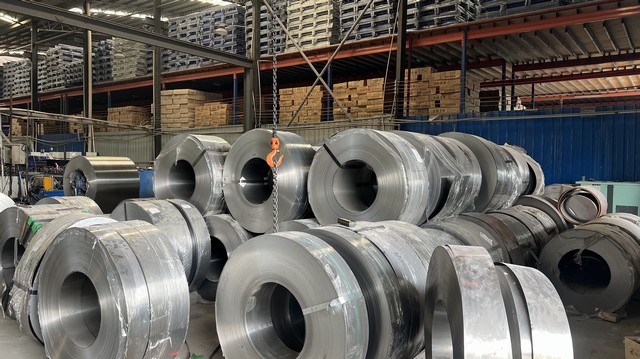
High-strength structural steel coils are inspected for surface quality and chemical composition consistency before processing.
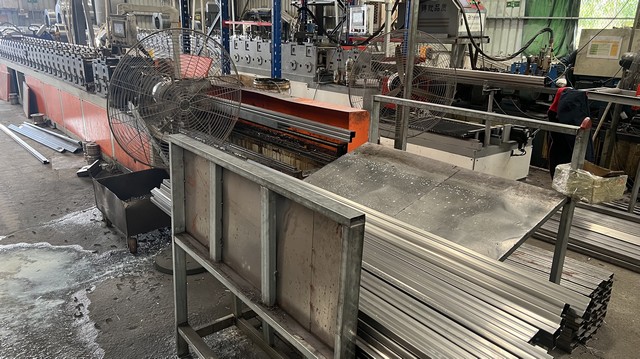
Heavy-duty roll forming mills shape the flat steel bands into precise multi-bend upright and beam profiles.
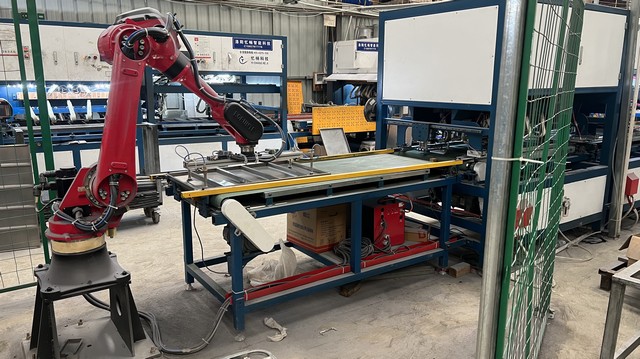
Secondary rolling mills achieve precise structural tolerances to ensure reliable physical fitment across interlocking parts.
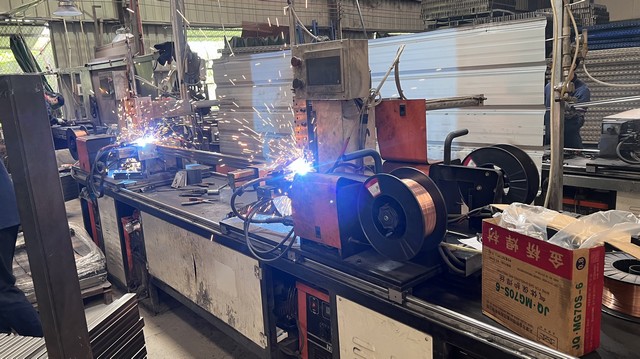
Multi-axis robotic arms weld connector brackets onto beams, producing clean welds with high shear resistance.
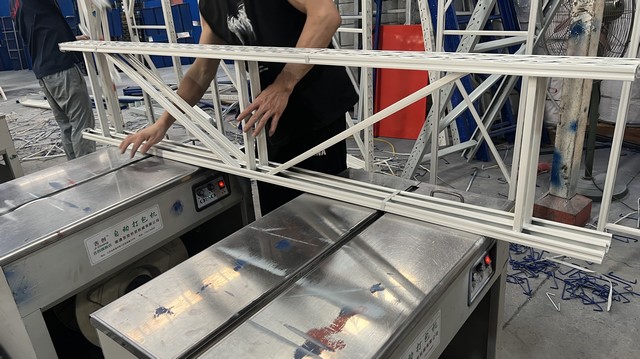
Finished parts are bundled with protective material, steel strapping, and wooden blocks to protect surfaces during ocean freight.
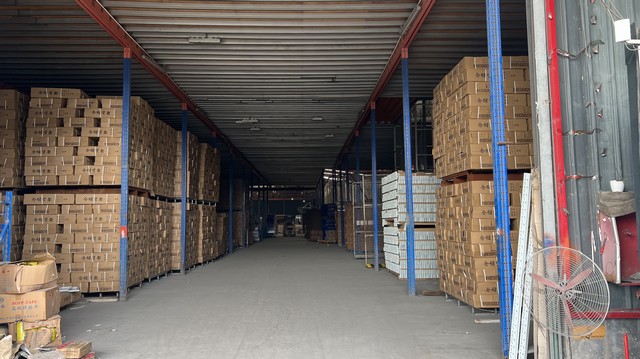
Finished assemblies are temporarily staged in high-density zones, ready for loading and container shipping.
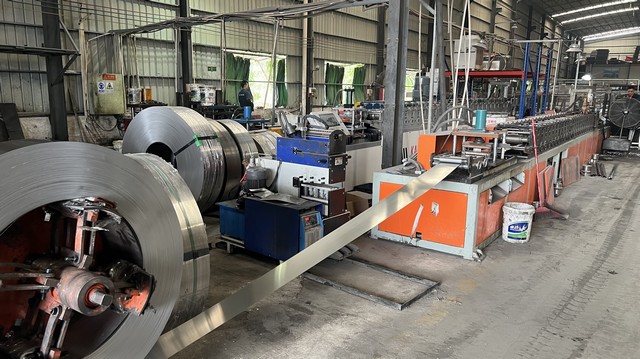
Specialized mill lines shape high-load square hollow profiles used in base frames, structural tiers, and racking cross-braces.
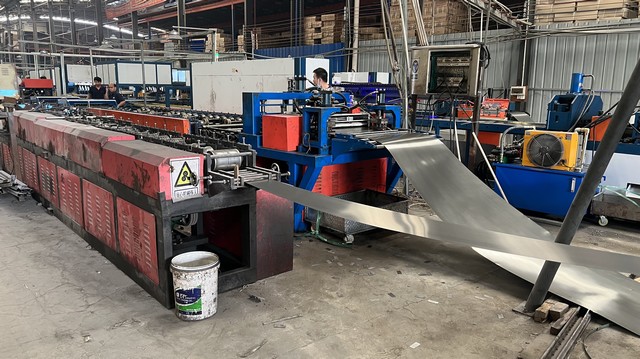
High-speed, CNC-controlled profile rolling machines ensure uniform punching, cutting, and shaping parameters.
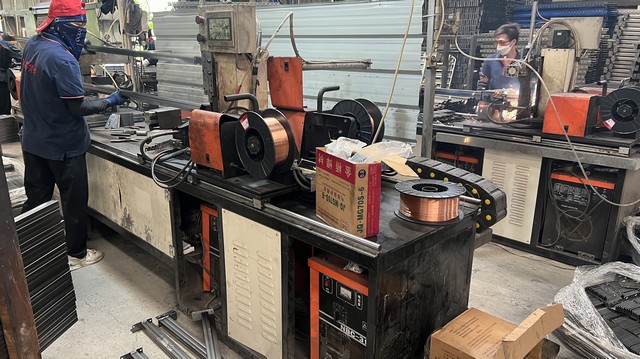
An integrated station with dedicated positioning jigs that maintain structural alignment during bracket and column welding.
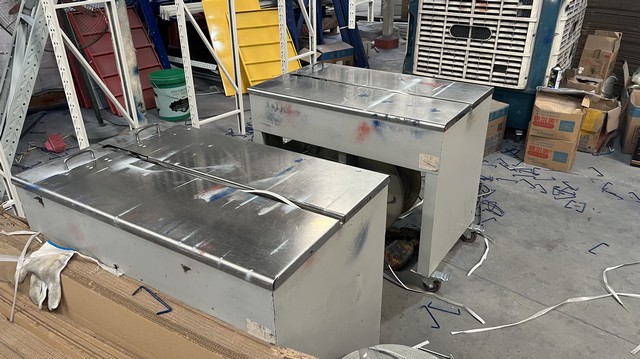
Automated stretch-wrap and strapping systems seal bundles tightly to prevent shifting during transit.
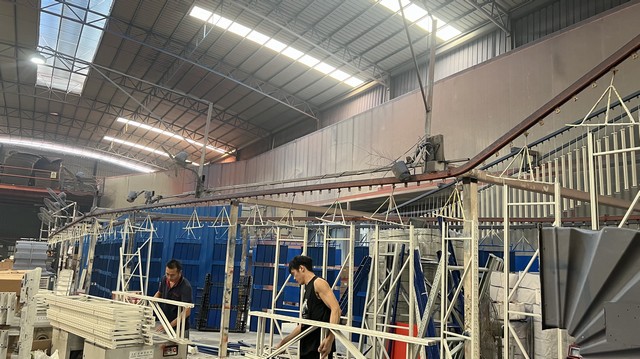
An advanced multi-stage powder line applies a cured coating that resists scratches, impacts, and corrosion.
Adapting to technological shifts that are reshaping warehouse physical footprints and materials handling logistics.
Modern VNA configurations are moving away from manual steering towards autonomous operation. To support this, factories now engineer custom low-profile guide rail systems, ground induction channel covers, and specialized racking tolerances that integrate with Autonomous Mobile Robots (AMRs) and Automated Guided Vehicles (AGVs). These automated guided systems reduce structural margins for error down to +/- 1.5mm, requiring high-precision steel profiling.
High-density storage racking systems reaching heights over 12 meters must be designed to withstand seismic forces. Chinese engineering teams employ Finite Element Analysis (FEA) to simulate local earthquake hazards. Utilizing dynamic analysis calculations, factories modify baseplate sizes, anchoring bolts, and diagonal bracing to comply with AS4084, RMI, and EN 15512 standards.
Green supply chain standards require manufacturers to lower their carbon footprint. Top manufacturers achieve this by optimizing steel coil utilization to reduce scrap, using energy-efficient powder curing ovens, and eliminating toxic chemicals from the pre-treatment wash. These steps ensure raw materials and processing residues comply with international environmental initiatives.
Customized rack specifications engineered to meet distinct operational, thermal, and regulatory requirements.
Requires highly adaptable storage. Quick-adjust beam connectors allow configurations to change as clients shift. Standardized bays accommodate European, standard industrial, and heavy-duty shipping pallets on the same shelf layout.
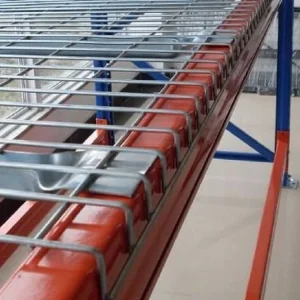
High-density setups configured with wire mesh decking and integrated waterfall lips. This design allows sprinkler water penetration to comply with NFPA fire safety standards, protecting high-volume, multi-SKU retail operations.
Operating at temperatures down to -30°C requires low-carbon steel alloys with high impact toughness to prevent low-temperature embrittlement. Zinc powder coatings prevent rust from surface condensation.
A structured reference guide for global sourcing managers evaluating manufacturer facilities and product certifications.
When sourcing industrial racking from overseas factories, sourcing managers must balance competitive pricing with regulatory compliance. To help mitigate risk and ensure compliance, use this verified evaluation framework during factory audits:
Answering technical, structural, and shipping questions for global sourcing managers and warehouse engineers.
Leading Chinese manufacturers utilize high-quality hot-rolled or cold-rolled structural steel, primarily Q235B (yield strength 235 MPa, comparable to ASTM A36) and Q355B (yield strength 355 MPa, comparable to ASTM A572 Grade 50). Q355B is preferred for heavy-duty columns and load-bearing beams to provide high structural stability at a lower steel weight.
Due to the tight clearances between turret trucks and racking columns, vertical plumbness must be maintained within 1/1000 of the total height. Standard assembly tolerances require punch pitch consistency within +/- 0.5mm over the entire upright length to prevent assembly issues and irregular beam heights.
To prevent corrosion and mechanical damage during transit, components are bundled using steel strapping, wrapped in protective foam sheets, and set on heavy wooden spacers. Critical contact surfaces are cushioned, and silica gel desiccant packs are placed within the container to absorb moisture.
Buyers should request ISO 9001:2015 certification for factory quality systems, CE certification for European installations, and dynamic structural calculations aligned with American RMI, European EN 15512, or Australian AS 4084 standards.
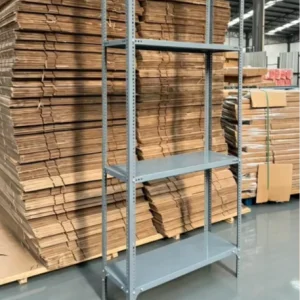
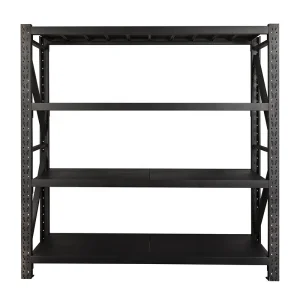
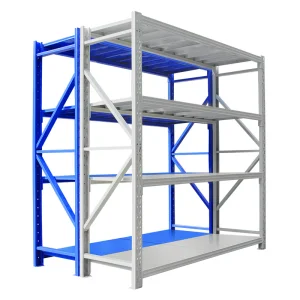
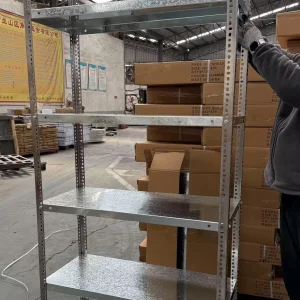
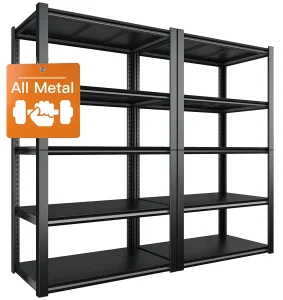
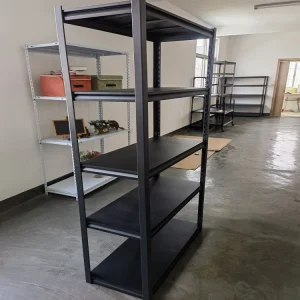
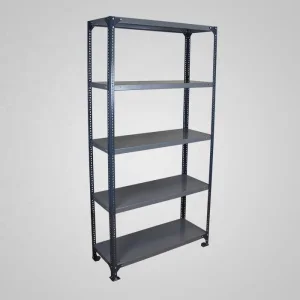
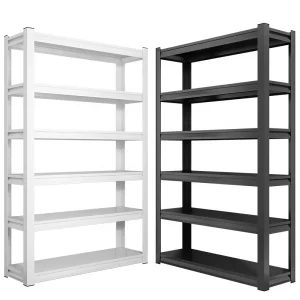
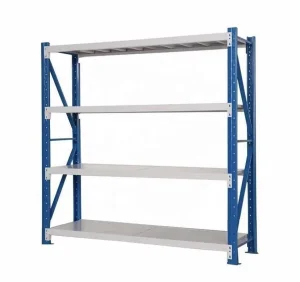
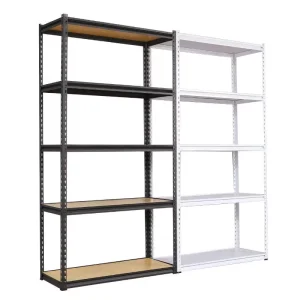
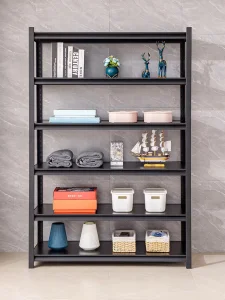
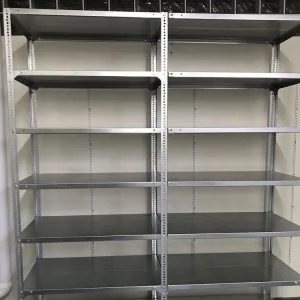
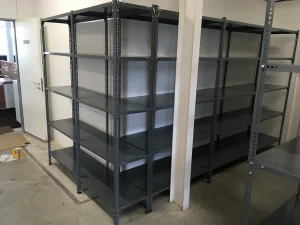
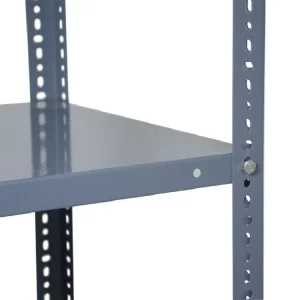
Explore our versatile range of heavy, medium, and light-duty storage solutions designed for professional settings.
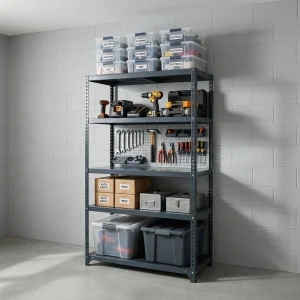
 Aliracking