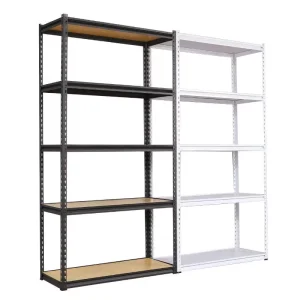
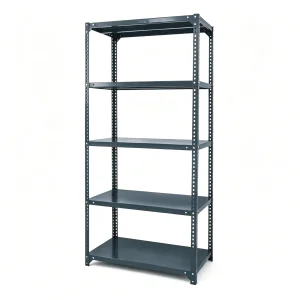
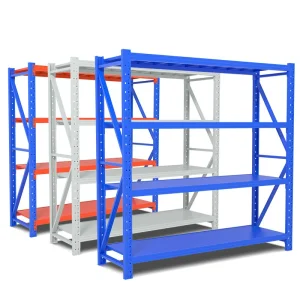
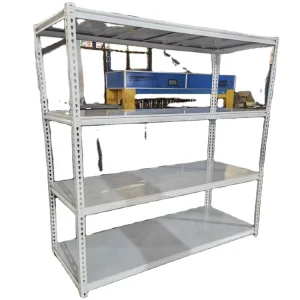
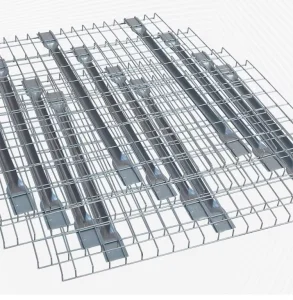
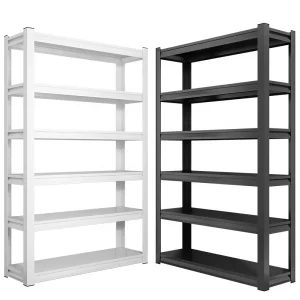
Select from our engineering-approved industrial storage racking catalog, certified for heavy load tolerances, chemical anti-rust passivation, and structural resilience.
Modern industrial supply chains do not merely require "shelving"; they demand highly engineered, dynamically calculated load support structures capable of maintaining safety, efficiency, and adaptability. As global warehousing moves toward high-density configurations, structural failure becomes an unacceptable liability. A single failure can trigger a catastrophic chain reaction, endangering personnel, halting throughput, and incurring hundreds of thousands of dollars in damages.
Our engineering paradigm is built upon Euler's buckling theory and the latest updates of the ANSI MH16.1 specifications. Under extreme loads, columns are subject to combined axial compression and bending moments. Our R&D division utilizes Finite Element Analysis (FEA) to simulate real-world logistics stress, including fork truck collision impacts, localized seismic load shifts, and non-uniform load distribution. By optimizing the metal fold geometry in cold-formed steel profiles, we ensure our upright posts provide superior torsional rigidity and maximum resistance against vertical buckling.
For industrial application safety, the deflection limit of racking load beams is mathematically calculated as L/240 (where L is the clear span of the beam). In a standard 2700mm beam configuration, the maximum allowable vertical deflection under fully loaded conditions must not exceed 11.25mm. Our racking components are tested beyond these parameters to guarantee a minimum 1.5 safety factor, conforming directly to global FEM (European Federation of Materials Handling) guidelines.
Corrosion mitigation is another core pillar of our manufacturing standard. Environmental moisture, temperature fluctuations in cold storage facilities, and airborne chemical compounds continually attack structural steel. We integrate an advanced electrostatic epoxy powder coating system with a multi-stage hot-dip galvanized coating process. This ensures chemical passivation at the molecular level, keeping the structural steel core intact and preserving load-bearing integrity for over a decade in aggressive climates.
Established in 2015, Shenzhen Aliracking Industry Co., Ltd. has grown from a specialized manufacturing facility into a global reference point for heavy-duty warehousing systems.
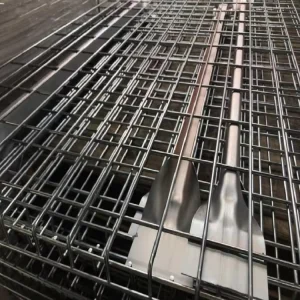
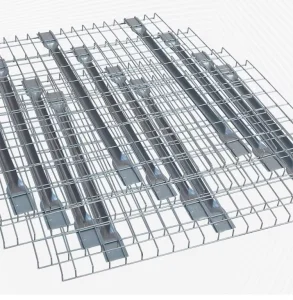
Our operation represents the convergence of high-capacity production machinery and strict, scientific quality protocols. Our facility houses 15 professional R&D engineers, who work continuously to update physical rack geometries in line with logistics automation trends. In the past fiscal year alone, this team successfully launched 45 new product designs, focusing on smart warehouse integration, boltless rapid-assembly rivet structures, and optimized wire-mesh load deckings. We serve as a direct Foreign Trade Corporation with an active network of over 850 certified supply chain partners, guaranteeing consistent supply of high-grade raw steel, powder compounds, and hardware components.
Every millimeter of our storage racking is processed under rigorous quality checks. Below is our standard manufacturing workflow, detailing raw material processing to final packaging.
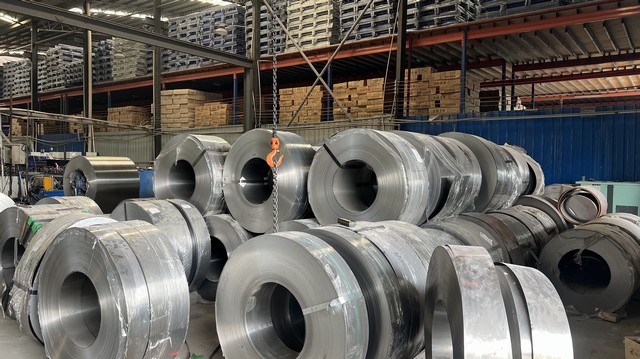
Sourcing high-strength structural carbon steel coils, verified by mechanical tensile tests.
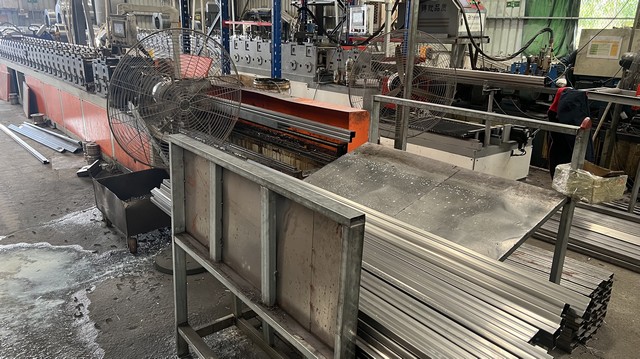
Precision roll-forming machines shape the cold-rolled steel into strong upright profiles.
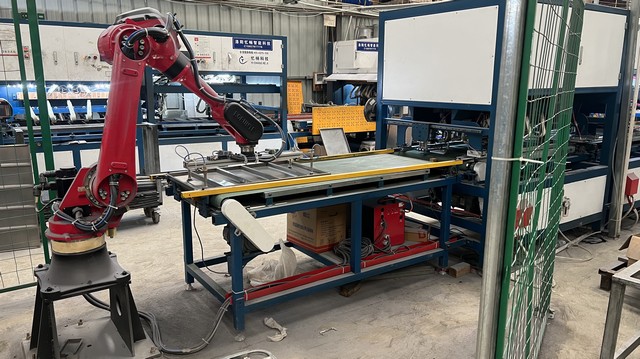
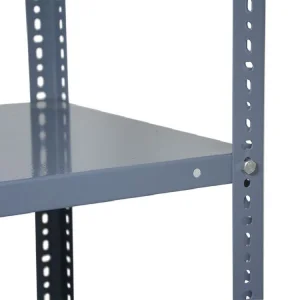
Punching high-precision hook holes at regular pitches to support adjustable configuration grids.
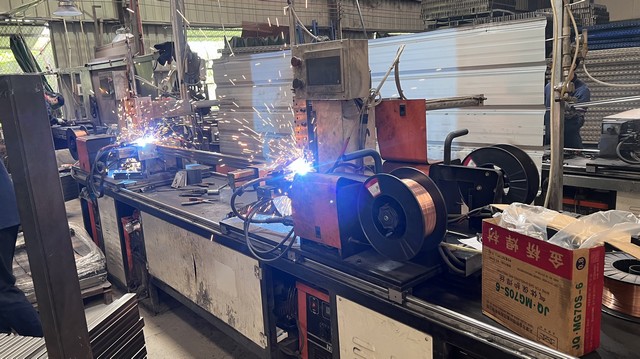
Gas metal arc welding ensures deep penetration and zero void joints for optimal structural support.
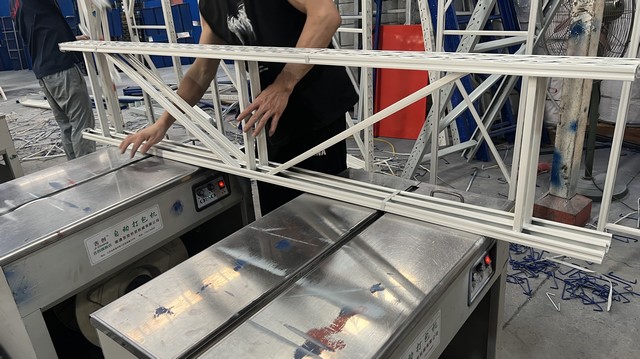
Sorting individual connectors, brace plates, and bolts into secure transport kits.
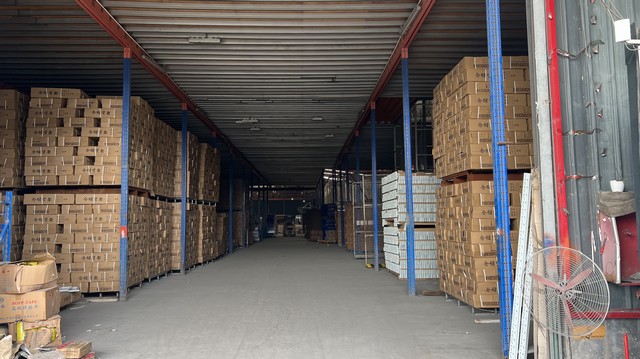
Storing completed components systematically to prevent surface scratches and facilitate loading.
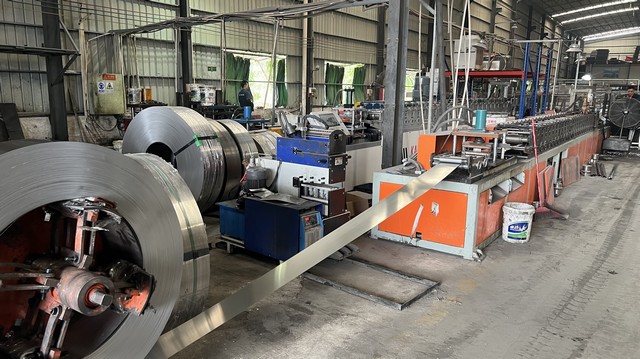
Dedicated rolling lines produce heavy-duty load beams designed to support high pallet loads.
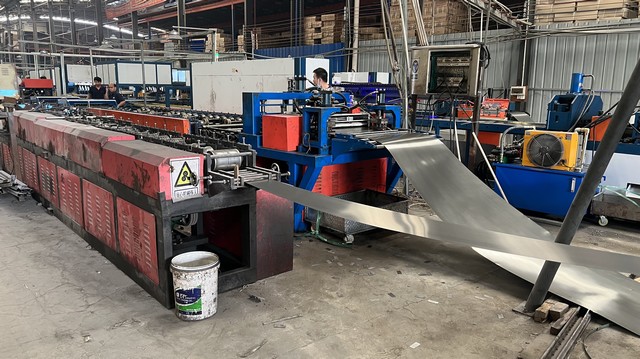
Continuous automated roll forming reduces geometric deviations to within ±0.5mm.
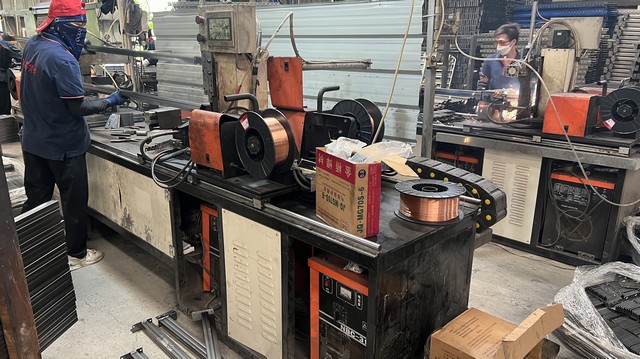
Robotic arms execute precise welds, providing consistent structural load limits across all parts.
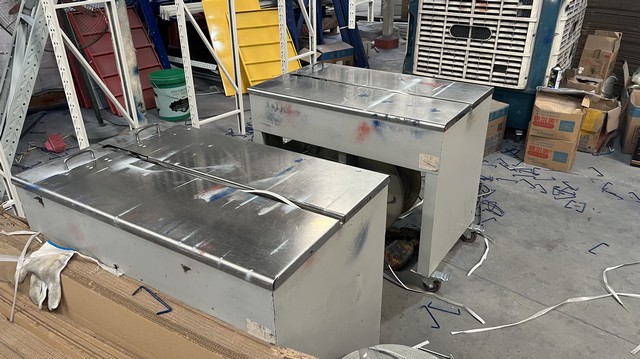
Stretching and wrapping units package bundles securely to withstand international ocean freight.
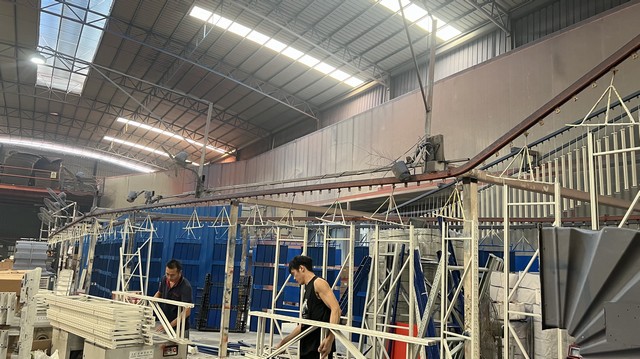
An automated powder coating system applies an anti-corrosion, impact-resistant finish.
The geopolitical and macroeconomic shifts of recent years have emphasized the critical importance of supply chain resilience. When choosing a heavy-duty storage manufacturing partner, procurement officers look beyond unit price to evaluate overall supply security, raw material access, and production scaling capability.
China's industrial racking ecosystem offers significant advantages in integrated supply chain management. By sourcing high-grade steel from adjacent, state-aligned steel production zones, Shenzhen Aliracking avoids international raw material fluctuations. Our long-term supply contracts guarantee we receive premium Q235B and Q345B carbon steel, even during periods of global supply stress. Furthermore, our proximity to major shipping hubs like the Port of Shenzhen allows us to offer shorter container dispatch times, reducing transit lead times compared to inland competitors.
Through our network of over 850 verified supply chain partners, we secure cost efficiencies across sub-assemblies, including specialized fasteners, safety locks, structural bolts, and custom wire mesh deckings. This high level of integration translates into a highly competitive cost-to-performance ratio for our clients, without compromising on materials, thicknesses, or quality control. Rather than working with fragmented suppliers, our clients benefit from an integrated, end-to-end manufacturing flow that delivers consistent products from the initial steel coil to final container loading.
Every industrial region operates under unique storage conditions. We customize our engineering designs to meet regional building codes and material handling requirements.
Designed to meet RMI standards, our configurations emphasize safety decking, dynamic seismic baseplates, and standard teardrop columns. This supports fast pallet rotations and complies with OSHA warehouse safety standards.
Fitted with multi-tier, high-density pick modules to meet European FEM specifications. The design focus is on tight tolerances for automated retrieval systems (ASRS) and modular expansions.
Engineered for coastal areas and tropical warehouses. Features hot-dip galvanized finishes and zinc-rich undercoats to prevent oxidation in environments with high relative humidity.
At Shenzhen Aliracking, quality control is integrated throughout the manufacturing process, rather than being a post-production check. Our QA department operates a dedicated testing laboratory equipped to verify structural tolerances and material performance. We run regular tensile strength checks on incoming steel batches to verify that the yield strength matches structural specifications before production begins.
For load-bearing beams and heavy connector tabs, we utilize Non-Destructive Testing (NDT), including ultrasonic weld inspections and dye penetrant testing, to verify weld density and locate any sub-surface voids. Our powder-coated surfaces undergo standard scratch testing, impact resistance testing, and cross-hatch adhesion checks to verify resistance to forklift contact. We welcome independent, third-party inspection firms (such as SGS, Intertek, and TÜV) to audit our facilities, providing clear verification of our quality processes for global buyers.
Shenzhen Aliracking Industry Co., Ltd. operates in compliance with the ISO 9001:2015 Quality Management System. Every shipment is accompanied by a mill test report (MTR), certificate of compliance, and load capacity tables signed off by our structural engineering division. This documentation provides clear support for our systems' performance in any regulated industrial environment.
Technical answers to common engineering and procurement questions regarding heavy-duty racking design and installation.
Complete your warehouse design with our high-capacity rack systems, boltless units, and corrosion-resistant wire decking solutions.
 Aliracking