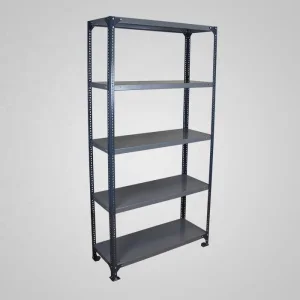
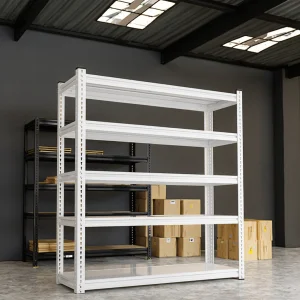
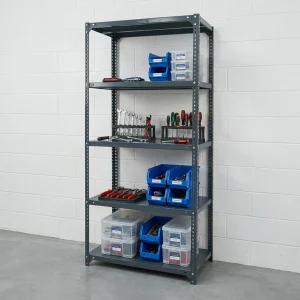
Maximize vertical space, optimize workflow ergonomics, and safeguard critical inventory with our top-tier load-bearing structures.
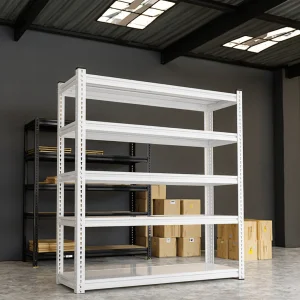
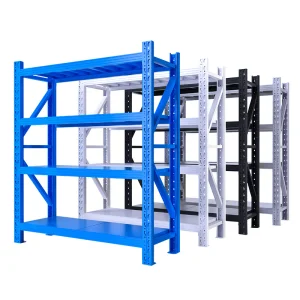
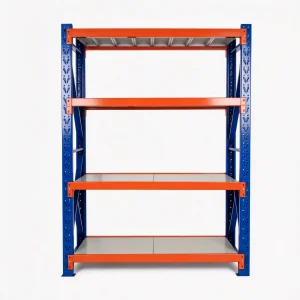
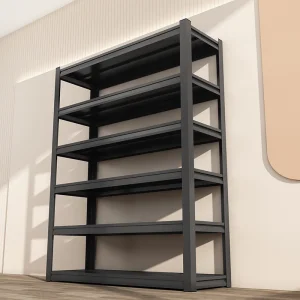
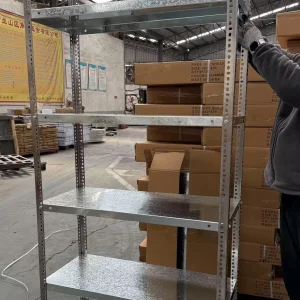
An authoritative guide to optimizing supply chains, enhancing material handling safety, and choosing structural racking partners.
In modern industrial logistics, optimizing warehouse cubic space is no longer just a method to reduce storage costs. It has become a core strategic pillar for enhancing supply chain resiliency, increasing order fulfillment speed, and safeguarding physical assets. Industrial shelving and racking systems form the critical load-bearing backbone of global distribution networks, manufacturing hubs, and fulfillment centers.
Shenzhen Aliracking Industry Co., Ltd., established in 2015, stands at the absolute forefront of this technological sector. Spanning a state-of-the-art production facility of 35,000 m², Aliracking integrates over 12 years of industry experience and 8 years of direct export expertise to engineer robust, high-performance structural configurations. Our annual export revenue of $18 million across North America, Europe, Southeast Asia, and the Middle East reflects the confidence global enterprises place in our systems.
Quality and safety are the non-negotiable baselines of our manufacturing processes. We implement rigorous ISO 9001 certified Quality Assurance protocols, supplemented by optional Third-Party On-Site Inspections (such as SGS or TÜV) and Non-Destructive Testing (NDT) for critical load-bearing weldments. Supported by 28 QA/QC specialists and a team of 15 R&D engineers, we released 45 new product designs last year alone. Our strong engineering capability allows us to offer extensive custom options, tailored structural dimensions, custom load capacities, specialized powder coatings, and comprehensive OEM/ODM services.
Backed by a solid Foreign Trade Corporation background and a robust network of over 850 supply chain partners, we service 3PL Logistics Providers, E-commerce Fulfillment Centers, Large Distribution Warehouses, and Industrial Manufacturers. We remain committed to optimizing space utilization and improving operational efficiency for warehousing enterprises across the globe.
The convergence of industrial clusters, advanced metallurgy, and unparalleled scale dynamics.
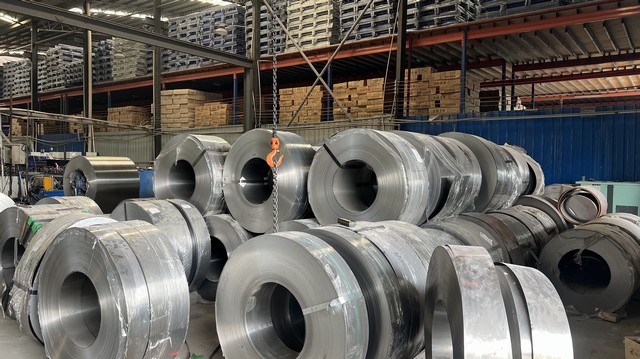
China is home to the world's most dense cluster of steel refinement, cold-rolling mills, and powder coating raw material suppliers. This proximity allows manufacturers like Aliracking to acquire high-tensile Q235B steel at optimized costs, insulating overseas buyers from erratic raw material price shocks.
With an intensive ecosystem of toolmakers and engineers, transitioning from a CAD blueprint to a customized structural prototype takes a fraction of the time compared to Western facilities. OEM designs can be iteratively adjusted and manufactured with absolute precision.
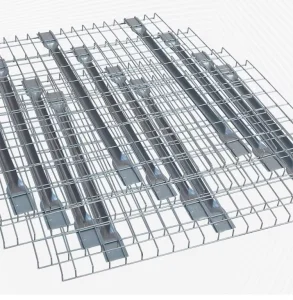
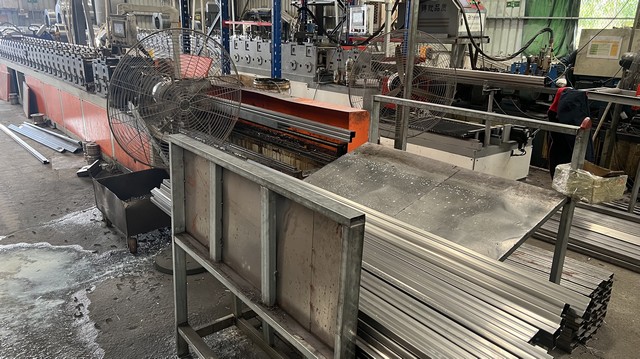
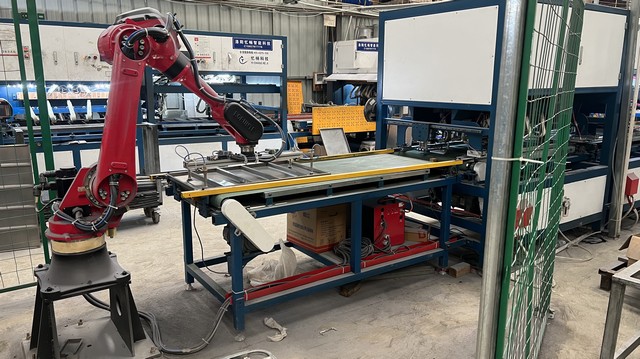
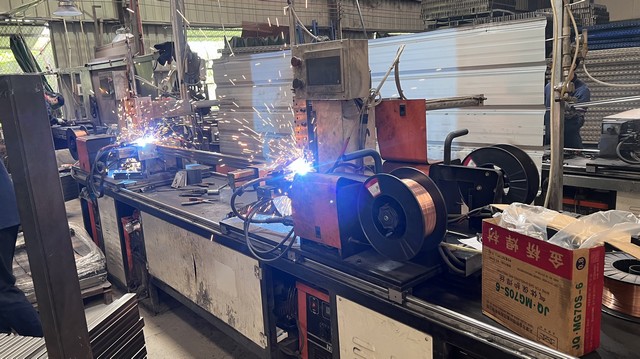
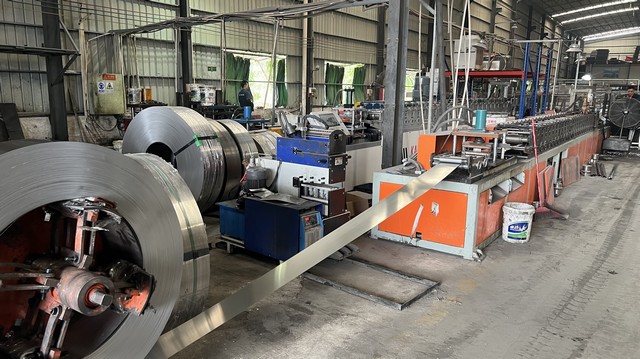
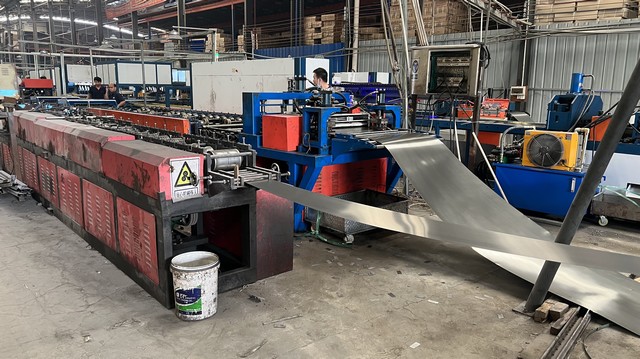
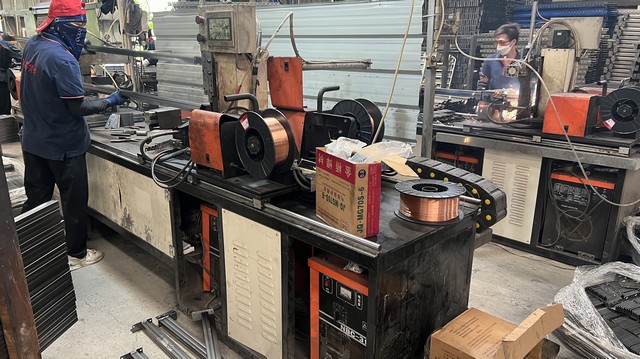
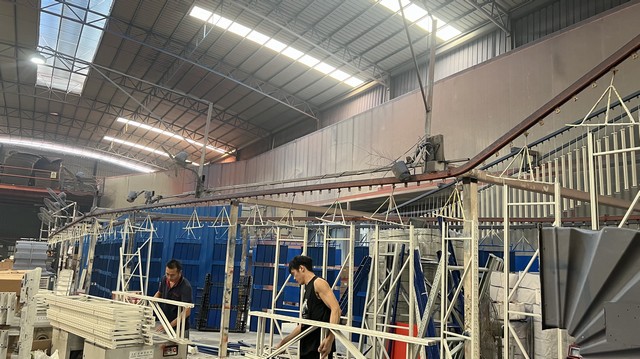
By using fully automated rolling production lines, robotic welding arms, and automated electrostatic powder coating lines, Chinese factories achieve uniform structural integrity, ensuring every upright frame, beam, and wire deck meets international safety parameters.
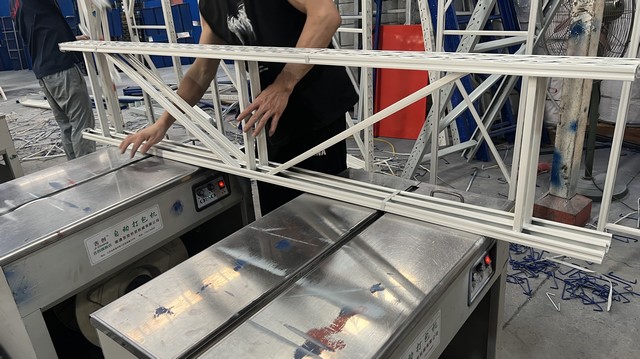
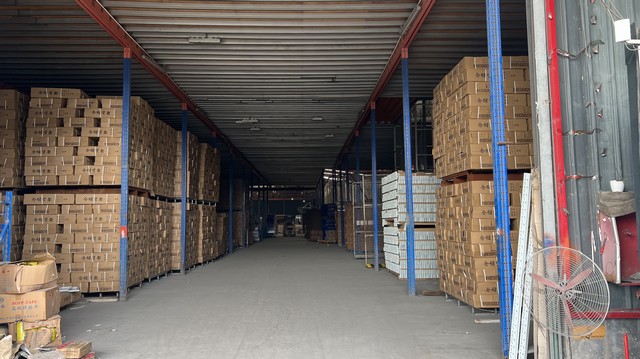
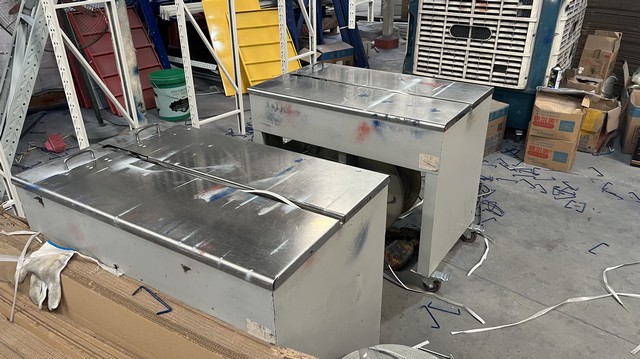
Step inside the Aliracking facility to see how raw steel is transformed into high-performance industrial shelving.
Stay ahead of technological transitions in modern distribution and high-performance warehousing.
The global warehousing landscape is undergoing rapid transformation, driven by E-commerce fulfillment expectations, rising urban real estate costs, and the widespread adoption of warehouse automation. These developments directly impact the physical infrastructure required to support industrial inventory. Below are the key trends defining the next generation of industrial shelving systems:
Modern distribution warehouses increasingly deploy Autonomous Mobile Robots (AMRs) and Automated Guided Vehicles (AGVs) for dynamic picking operations. This paradigm shift demands high-tolerance structural engineering. Uprights and base plates must be manufactured to sub-millimeter precision to ensure alignment with laser guidance systems. Boltless configurations must withstand the consistent mechanical stresses of fast-paced robotic pick-and-pack operations.
Regulatory frameworks such as REACH and RoHS in the EU are driving the industry toward eco-friendly surface coatings. The traditional use of heavy metals in galvanization is giving way to advanced non-toxic electrostatic powder coatings and zinc-plating technologies. These methods yield exceptional moisture and chemical resistance while maintaining a lower environmental footprint.
E-commerce product lines shift rapidly, making rigid, permanent shelving systems obsolete. Global supply chains now demand modular structures that can be easily dismantled, expanded, or reconfigured. Slotted angle designs and adjustable rivet-boltless systems allow companies to scale their storage configurations as inventory footprints evolve.
Ensure regulatory compliance, structural safety, and long-term durability across different warehouse zones.
When purchasing industrial shelving at scale, procurement managers must evaluate several technical parameters beyond price. A minor error in calculation can lead to structural failure, safety non-compliance, and liability. Here are the core specifications to verify before finalizing custom OEM supplier contracts:
Ensure the structural steel conforms to recognized standards (such as ASTM, EN, or GB). High-tensile cold-rolled steel like Q235B is optimal for standard structural loads, while Q355B is selected for seismic-rated configurations.
A safe shelving unit must operate within safe deflection limits. Standard industrial pallet racks and shelving levels should adhere to a deflection ratio limit of L/240 or L/360, where deflection does not compromise structural integrity under maximum load capacity.
For applications in high-humidity climates or cold storage, specify components that have undergone a minimum of 500-hour or 1000-hour neutral salt spray testing (ASTM B117) to prevent oxidation.
Designed for extreme load distributions, damp warehouse environments, and high-density material handling.
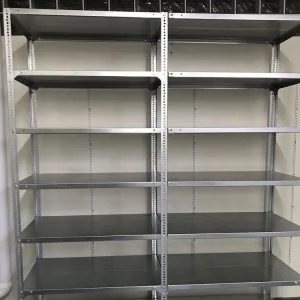
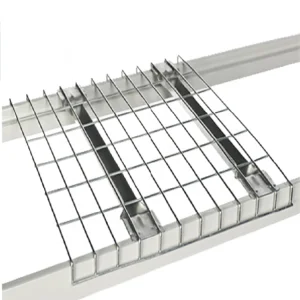
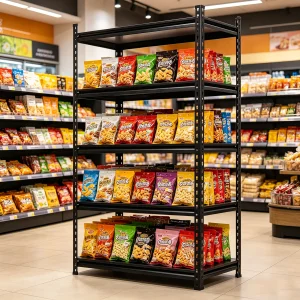
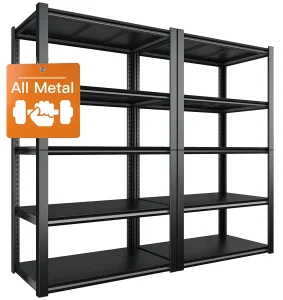
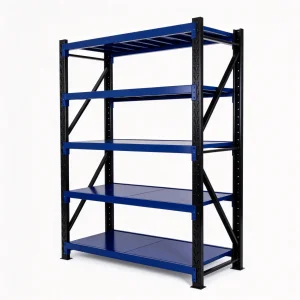
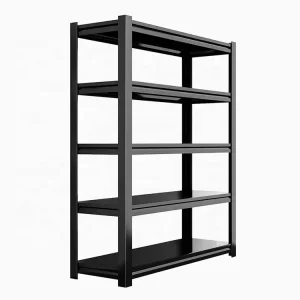
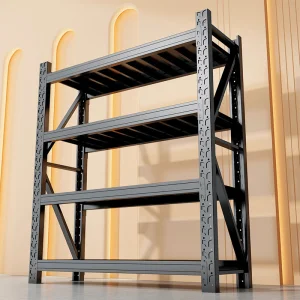
Find direct, technical answers to common queries regarding OEM customization, structural load ratings, and shipping logistics.
We primarily use cold-rolled structural steel (Q235B & Q355B) conforming to GB/T 700-2006. For international markets, we verify equivalent performance specs to match ASTM A1011 (United States) and EN 10025 (Europe). All raw steel undergoes mechanical property and yield strength testing prior to roll forming.
Yes, load capacities are customized based on the system's design. We offer configurations ranging from light-duty (100–200 kg per level) to heavy-duty (1000–4000 kg per level). Load capacities are verified using finite element analysis (FEA) software, followed by physical destruction and deformation testing at our on-site laboratory.
We provide hot-dip galvanization for high-humidity and outdoor storage, electrostatic powder coating using thermosetting epoxy-polyester powder, and zinc plating. Our powder coatings are applied at thicknesses of 60–90 microns, verified using magnetic thickness gauges to guarantee long-term wear and scratch resistance.
Yes. We regularly coordinate with international testing agencies like SGS, Intertek, and TÜV. We provide them full access to our raw material logs, production floor, and finished goods testing facilities to ensure products meet required project specifications before dispatch.
For standard customized items, our typical manufacturing lead time is 20 to 30 days after drawing approval and deposit receipt. This timeframe is supported by our 35,000 m² factory floor, automated rolling lines, and integrated local supply chain.
 Aliracking