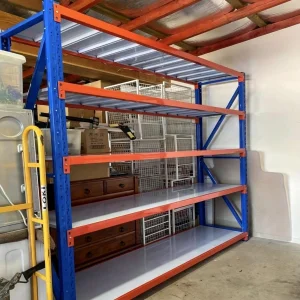
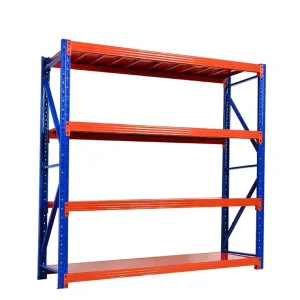
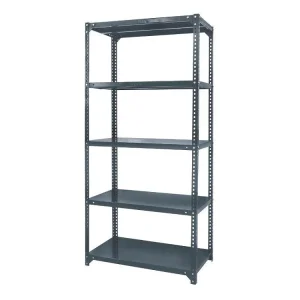
Explore our primary selection of industrial-grade slotted angle shelving, high-capacity boltless racking, and galvanized wire mesh decking engineered to maximize space utilization.
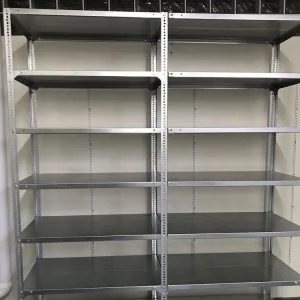
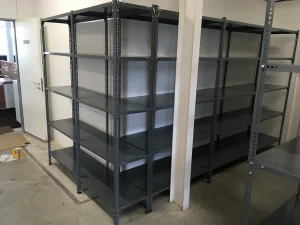
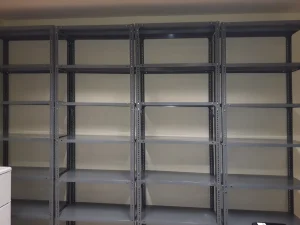
In the era of rapid logistics evolution, global warehousing and logistics distribution networks are facing unprecedented pressure. Third-party logistics (3PL) providers, global retail behemoths, dynamic e-commerce fulfillment centers, and heavy industrial manufacturers require robust industrial storage solutions to drive optimization in material handling processes. The demand for adjustable racking systems has intensified as warehouse operators strive to convert static floor spaces into flexible, high-density storage cuboids.
According to international industrial supply chain reports, standard procurement models focus deeply on Total Cost of Ownership (TCO). This accounts not only for the initial material costs but also structural durability under load profiles, installation efficiency, and adaptations to seismic regulations. Procurement officers must evaluate how flexible shelving systems optimize the picking paths, reduce worker downtime, and accommodate variable load configurations without requiring structural rebuilds.
Established in 2015, Shenzhen Aliracking Industry Co., Ltd. is a leading manufacturer specializing in high-performance warehouse racking and industrial storage solutions. The company operates a state-of-the-art production facility covering an expansive area of 35,000 m². With over 12 years of industry experience and 8 years of direct export expertise, they deliver robust, high-density storage systems to businesses worldwide, generating an annual export revenue of $18 million.
Quality and safety are at the core of Aliracking's manufacturing philosophy. They implement rigorous ISO 9001 certified Quality Assurance (QA) protocols alongside comprehensive Third-Party On-Site Inspections and Non-Destructive Testing (NDT) for load-bearing components. Supported by a dedicated team of 28 QA/QC specialists and 15 R&D engineers, the company released 45 new product designs last year alone. Our strong engineering capability allows us to offer extensive customization options, including tailored structural dimensions, customized load capacities, specialized powder coatings, and OEM/ODM services to meet complex logistics demands.
Backed by a solid Foreign Trade Corporation background and a strong network of over 850 supply chain partners, Shenzhen Aliracking serves a global customer base across North America, Europe, Southeast Asia, and the Middle East. Our primary clients include 3PL Logistics Providers, E-commerce Fulfillment Centers, Large Distribution Warehouses, and Industrial Manufacturers. We remain committed to optimizing space utilization and improving operational efficiency for warehousing enterprises across the globe.
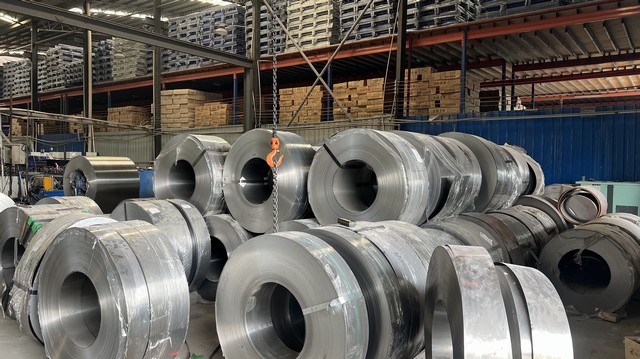
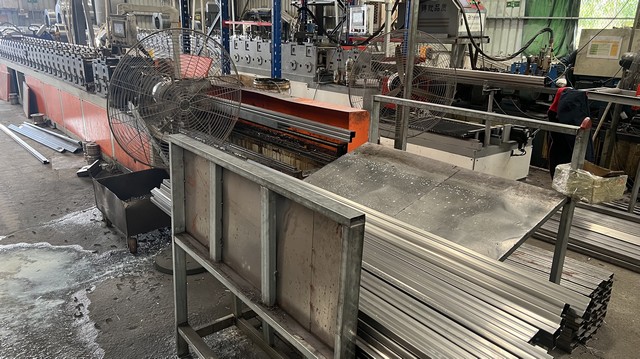
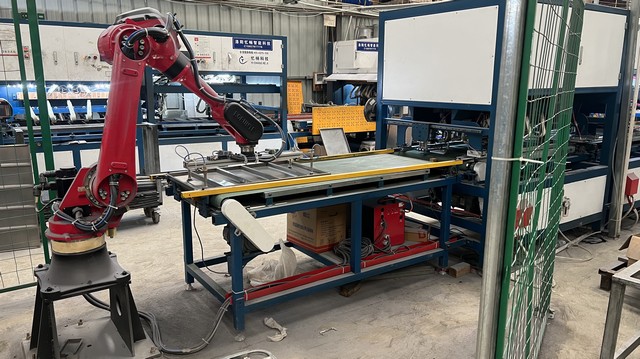
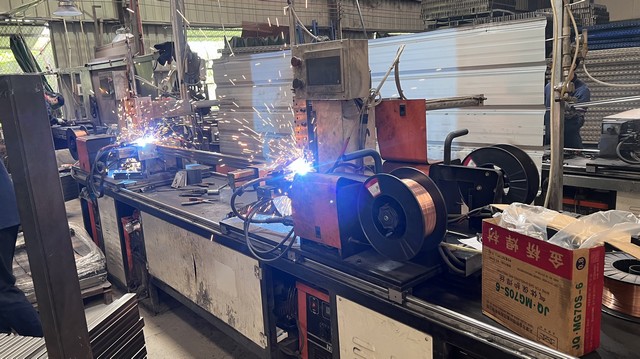
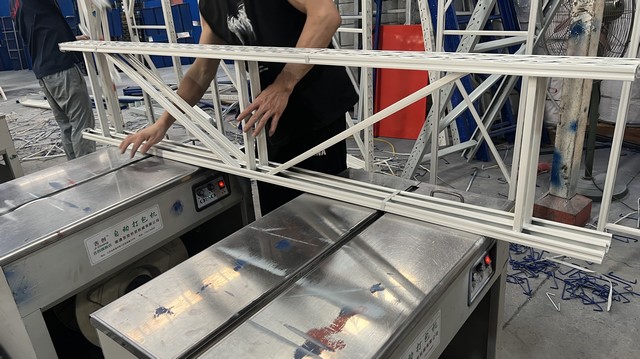
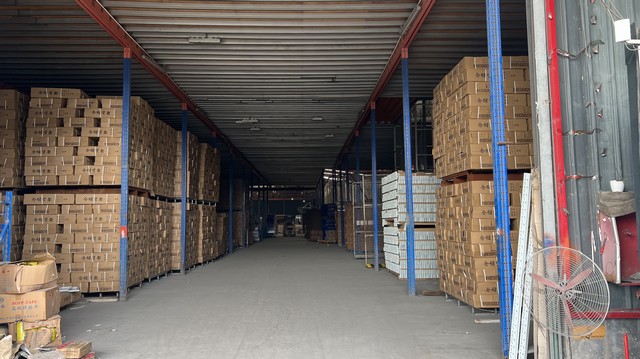
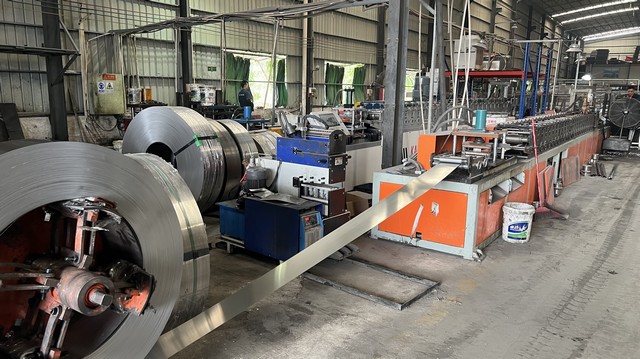
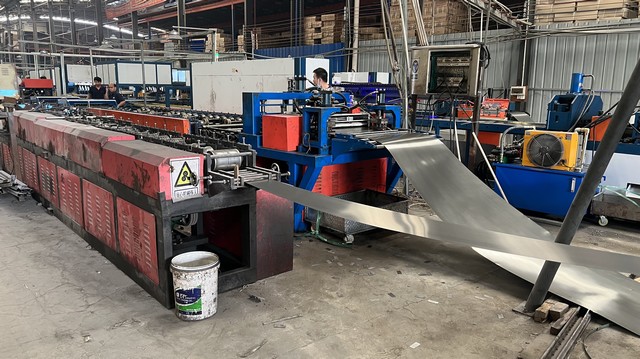
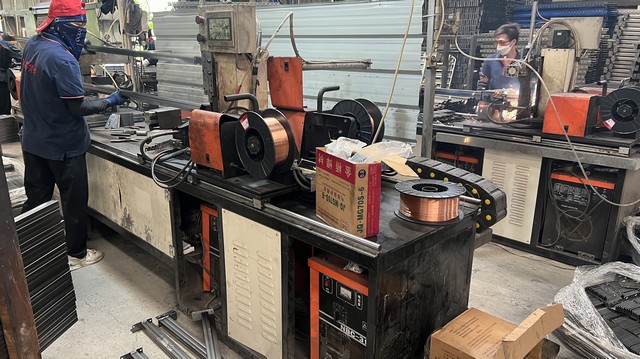
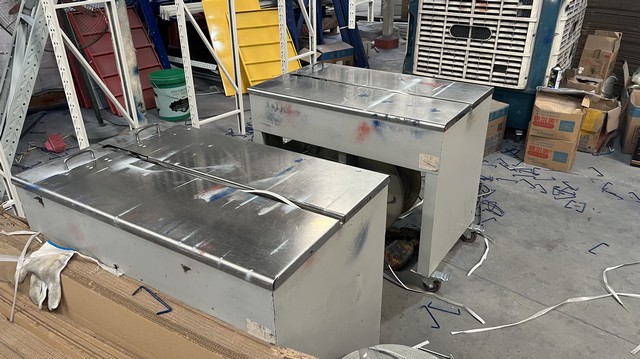
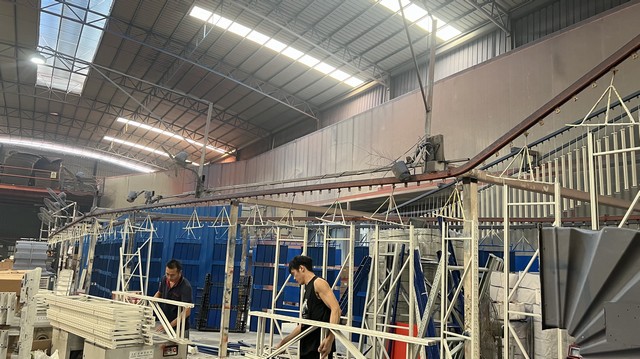
Industrial racking production relies on heavy machinery precision and strict metallurgical procedures to prevent structural failures. The journey from high-tensile steel coils to a load-bearing rack structure involves automated rolling, computerized welding, and automated surface treatment. Below is the step-by-step technical pipeline deployed inside Aliracking’s automated facility:
Enterprise-scale material handling planning requires evaluating global manufacturers against custom operational indicators. Below is the comparative industry matrix summarizing the positioning, primary target industries, and competitive advantages of the top global suppliers.
HQ: Norway / Germany
Key Strengths: Pioneer in slotted-angle racking; dominant market footprint across Europe and APAC with premium engineered heavy-duty configurations.
HQ: Germany
Key Strengths: End-to-end integration of automated warehouse systems (ASRS) and modular pallet racking. Excels in complex high-density picking setups.
HQ: Shenzhen, China
Key Strengths: Exceptional factory-direct pricing with strong structural QA, NDT testing, 35,000m² manufacturing capacity, and rapid custom structural designs.
HQ: Spain / USA
Key Strengths: Huge logistics network in the Americas; reliable drive-in and selective racking systems supported by proprietary warehouse management software.
HQ: Germany
Key Strengths: Specialized in small-parts storage shelves and dynamic flow lanes for e-commerce picking lines.
HQ: USA
Key Strengths: Renowned for seismic structural engineering, manufacturing massive-gauge roll-formed and structural channel rack solutions.
HQ: Switzerland
Key Strengths: Vertically automated storage solutions (VLM) combined with premium space-efficient adjustable racking framework.
HQ: Belgium
Key Strengths: High-density pallet shuttle systems and massive-scale warehouse integration systems. Strong global engineering support.
HQ: USA
Key Strengths: Flexible regional distribution networks. Known for rapid installation, audit assistance, and turnkey warehouse services.
HQ: USA
Key Strengths: Heavy emphasis on heavy-duty structural steel frame designs. Famous for dynamic impact resistance inside high-volume grocery distribution hubs.
Modern storage space layouts are moving beyond simple heavy steel shelving. They are evolving into integrated high-density zones ready for Automated Guided Vehicles (AGVs) and robotic shuttle integration. To support these operations, racking setups must adapt to different material handling needs:
Refrigerated storage demands maximum density due to high energy costs. Racking profiles must employ low-temperature resistant steel alloys and specialized dynamic drive-in structures to prevent freeze-thaw condensation corrosion.
High SKU counts require picking access at multiple heights. Multilevel mezzanine platforms integrated with boltless adjustable systems enable simultaneous picking operations across several vertical zones.
To accommodate heavy, irregular items like motor vehicle castings or machinery parts, heavy-duty cantilever racks with adjustable arms allow forklifts to access long, bulky items without front structural interference.
The next step in storage systems focuses on real-time load monitoring. By embedding fiber-optic stress sensors inside key upright frames, warehouses can track load limits digitally. This prevents structural collapses before they happen. At the same time, manufacturers are adopting environmentally friendly powder coatings with zero VOC emissions and using high-strength steel composites to reduce weight without sacrificing load capacity.
Installing high-capacity storage racks involves significant physical risks if safety engineering is neglected. Uprights must be secured to stable concrete foundations using expansion bolts, and they must be fitted with heavy-duty steel column guards to absorb impact energy from moving material handlers.
When vetting global suppliers, look for partners offering local certification capabilities, on-site structural sign-offs, and custom calculation reports. Shenzhen Aliracking, for instance, provides complete engineering verification packages. This ensures that load-bearing columns and beams can withstand regional seismic requirements without risking catastrophic failure under full load conditions.
Ensures consistent metallurgical tracking and process controls at every stage of production.
Advanced software simulation guarantees that upright profiles perform safely under stress.
Non-destructive weld testing ensures load-bearing frame joints remain defect-free.
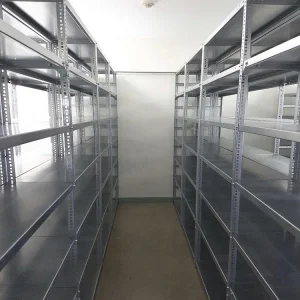
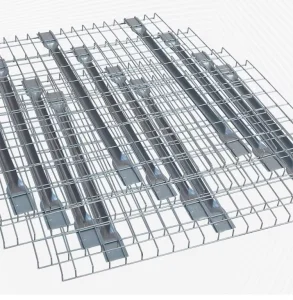
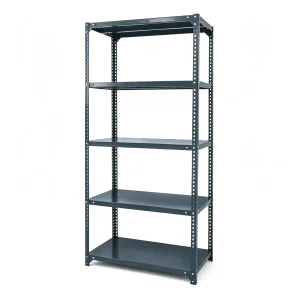
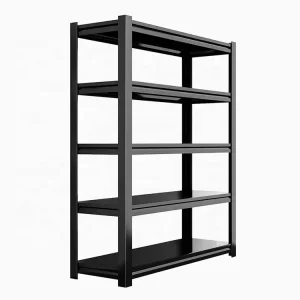
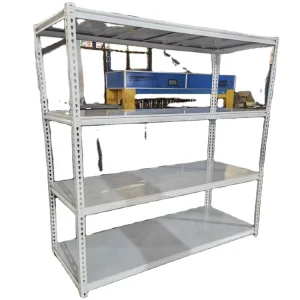
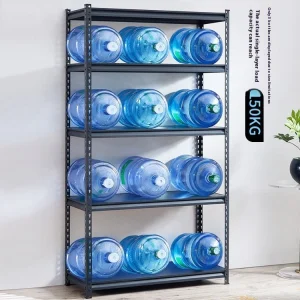
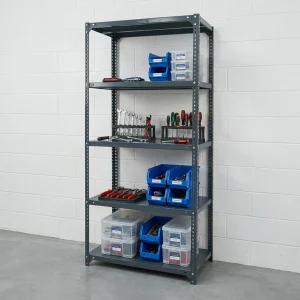
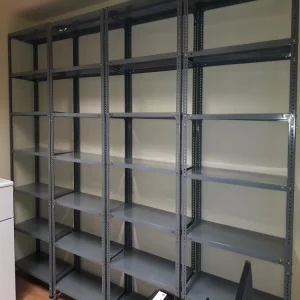
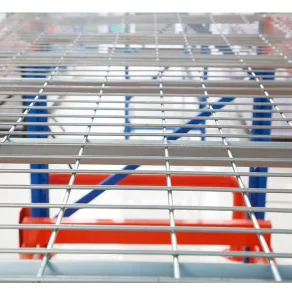
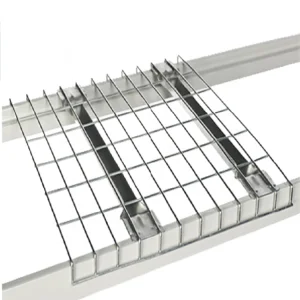
From heavy-duty boltless steel rivets to galvanized standard waterfall wire mesh decks, our engineered warehouse equipment is built to handle tough industrial environments.
Get answers to common technical queries about engineering specifications, structural compliance, and optimization.
Boltless racking uses interlocking components—such as keyhole, tear-drop, or rivet connections—to lock beams into upright slots without threaded fasteners. This setup reduces installation times by up to 60%. Bolted configurations, by contrast, offer rigid structural connections preferred in extreme heavy-duty environments or seismically active regions where frame movement must be minimized.
Uniformly Distributed Load (UDL) is calculated using finite element analysis (FEA) software. It is determined based on the yield strength of the steel profile, the beam length, frame depth, and vertical shelf spacing. Increasing the distance between levels reduces the maximum load capacity of the upright frames. Load charts must always be displayed clearly on the end of each racking run.
For cold rooms and freezer storage, hot-dip galvanization (HDG) is highly recommended. The process forms a zinc-iron alloy layer that prevents oxidation under fluctuating temperatures. For dry storage, standard electrostatic epoxy powder coating is sufficient and provides excellent resistance to daily forklift wear.
Wire mesh decking improves safety by preventing loose boxes from falling through structural beams. It also allows light to pass through and supports overhead sprinkler water flow, which helps meet local fire safety regulations.
 Aliracking