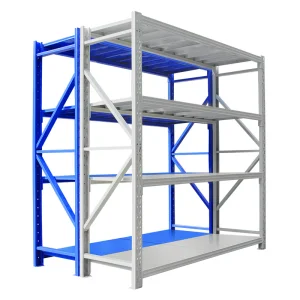
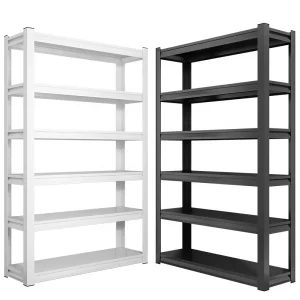
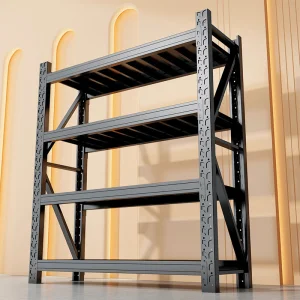
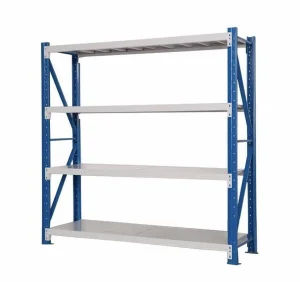
Modern supply chains are undergoing a paradigm shift. Rising real estate costs, structural labor shortages, and the growth of e-commerce are forcing logistics facilities to shift from manual operations to dense, automated systems. Automated Storage and Retrieval Systems (AS/RS), shuttle operations, and intelligent racking assemblies form the backbone of this transformation.
In regions such as North America and Europe, strict occupational safety requirements and skyrocketing warehouse rents have pushed space utilization to its vertical limits. Facilities can no longer expand horizontally; instead, they must build upward. Modern structural steel shelves and specialized boltless systems are engineered to integrate with high-density automated handling machines (such as stacker cranes and AMRs), ensuring absolute vertical stability and structural integrity under dynamic loading conditions.
Meanwhile, the Asia-Pacific region is experiencing an automation surge driven by the rapid growth of advanced manufacturing and battery production facilities. These complex environments demand specialized anti-corrosion, electrostatic powder-coated, and galvanized steel structural arrays that can withstand hazardous environments while maintaining micro-millimeter tolerance levels for automated guided vehicles (AGVs).
The structural foundation of any automated storage system determines its safe operating life and system efficiency. Stacker cranes and multi-directional shuttles operate at high speeds, generating dynamic forces and vibrations that manual systems never encounter. The engineering team at Shenzhen Aliracking Industry Co., Ltd. approaches storage design by focusing on three critical technological pillars:
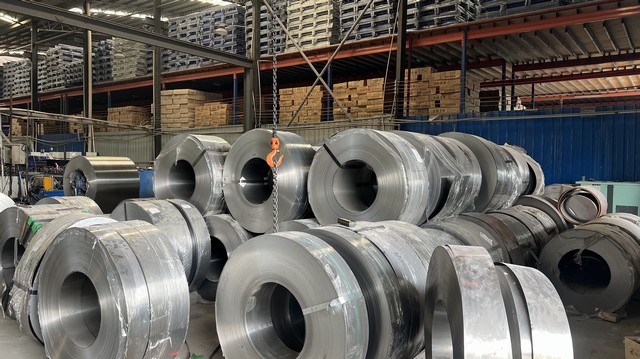
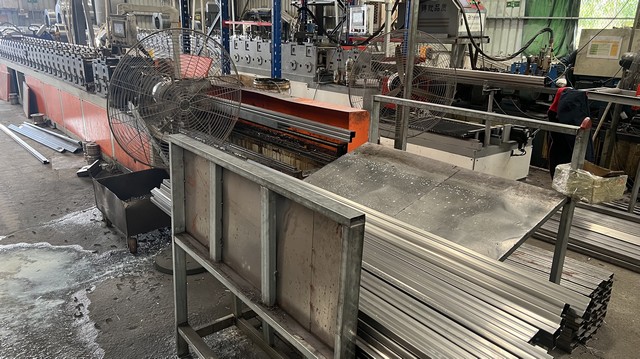
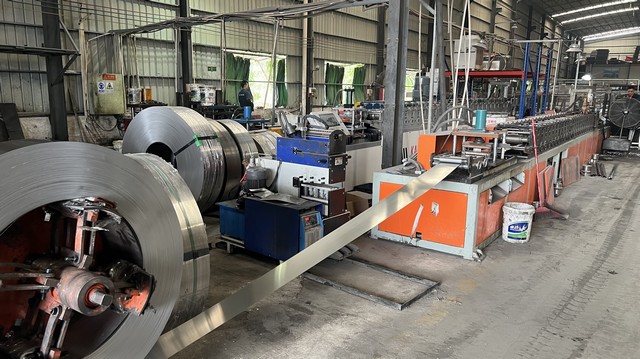
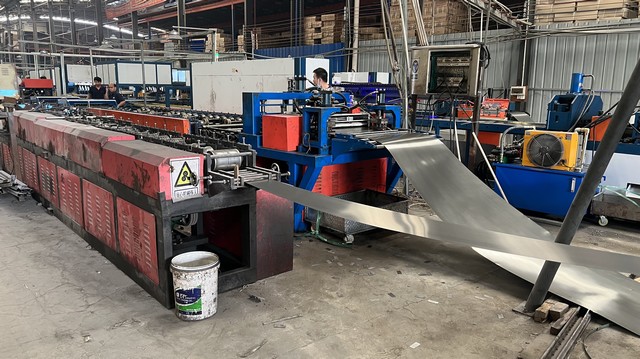
Utilizing high-grade, cold-rolled steel coils processed through advanced automated roll-forming lines. This ensures absolute dimensional consistency along the uprights, beam channels, and connector rivets, preventing operational jams of automated shuttles.
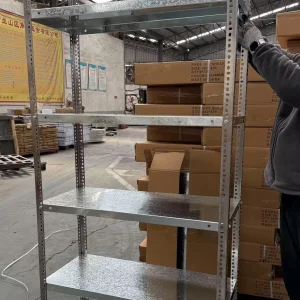
Application of multi-stage electrostatic powder coatings and hot-dip galvanization processes. These treatments create highly resilient layers that guard against abrasion, humidity, and chemical exposure, crucial for cold-storage and cleanroom systems.
Innovative tapered rivet connectors allow for toolless assembly while generating mechanical locking tension. Under load, these connections self-tighten, increasing the structural rigidity of multi-tier systems without requiring weld maintenance.
"A millimetric variance in standard storage systems can cause an AMR or robotic crane to lock up. Automated systems demand structural precision and stability. Designing with dynamic deflection in mind is not just an upgrade; it is a fundamental requirement for system uptime." — Chief R&D Engineer, Shenzhen Aliracking
When selecting automated or semi-automated structural steel shelving partners, procurement directors and system integrators must look beyond initial unit cost. Over a ten-year operational lifespan, structural failures, maintenance downtimes, and poor surface treatments can result in costs that far exceed the initial purchase price. The following matrix outlines key procurement criteria:
| Evaluation Parameter | Standard Market Offering | Aliracking Heavy-Duty Specification | Impact on ROI & System Life |
|---|---|---|---|
| Load Deflection Ratio | 1/200 span limit | Exceeds 1/240 structural stability | Prevents sensor detection errors in automated stacker cranes. |
| Surface Treatment | Single-pass liquid coat | Electrostatic powder coating & hot-dip galvanized | Eliminates corrosion, flaking, and dust contamination. |
| Structural Integrity | Common weldments | Concealed inner rivet and boltless slot-lock design | Faster installation, self-locking support under high loads. |
| Tolerance Controls | ± 1.5 mm per lift height | Strict limit of ± 0.5 mm variance | Reduces friction and drag on shuttle run paths. |
Modern AS/RS solutions function as integrated cyber-physical hardware. Racks must incorporate clean guide rails, exact photoelectric reflector mounts, and cable management trays. Furthermore, structural design must account for localized seismic loading profiles, warehouse fire sprinkler patterns, and clean airflow distribution to ensure a safe, efficient layout.
Shenzhen Aliracking Industry Co., Ltd. is a leading manufacturer specializing in high-performance warehouse racking and industrial storage solutions. Established in 2015, the company operates a state-of-the-art production facility covering an expansive area of 35,000 m². With over 12 years of industry experience and 8 years of direct export expertise, we deliver robust, high-density storage systems to businesses worldwide, generating an annual export revenue of $18 million.
Quality and safety are at the core of our manufacturing philosophy. We implement rigorous ISO 9001 certified Quality Assurance (QA) protocols alongside comprehensive Third-Party On-Site Inspections and Non-Destructive Testing (NDT) for load-bearing components. Supported by a dedicated team of 28 QA/QC specialists and 15 R&D engineers, we released 45 new product designs last year alone. Our strong engineering capability allows us to offer extensive customization options, including tailored structural dimensions, customized load capacities, specialized powder coatings, and OEM/ODM services to meet complex logistics demands.
Backed by a solid Foreign Trade Corporation background and a strong network of over 850 supply chain partners, Shenzhen Aliracking serves a global customer base across North America, Europe, Southeast Asia, and the Middle East. Our primary clients include 3PL Logistics Providers, E-commerce Fulfillment Centers, Large Distribution Warehouses, and Industrial Manufacturers. We remain committed to optimizing space utilization and improving operational efficiency for warehousing enterprises across the globe.
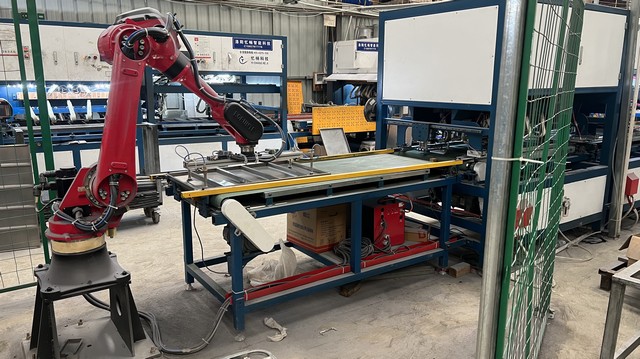
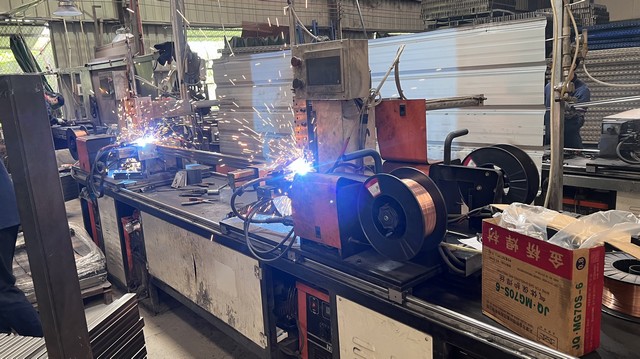
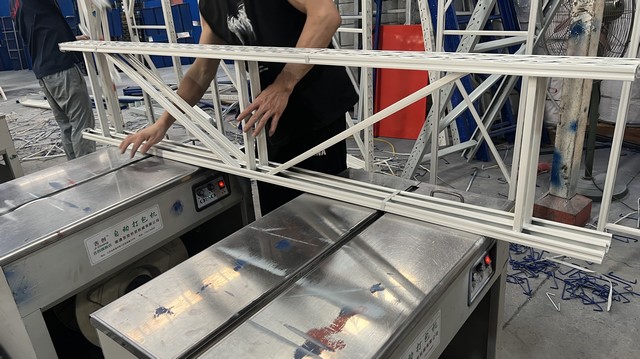
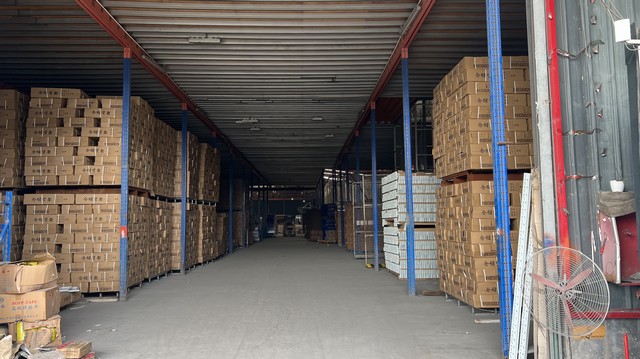
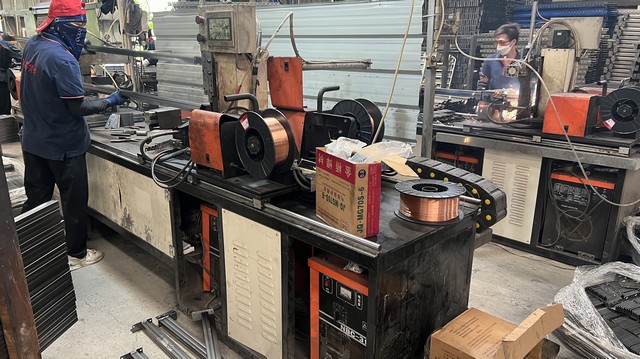
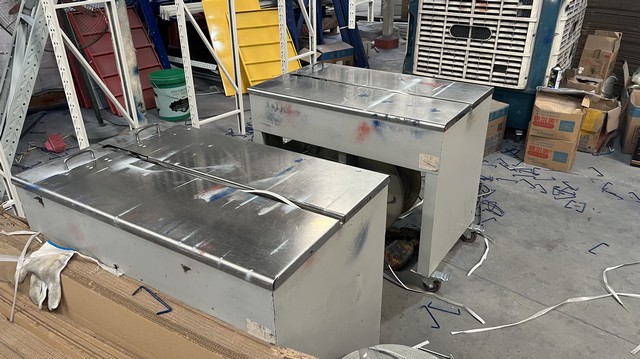
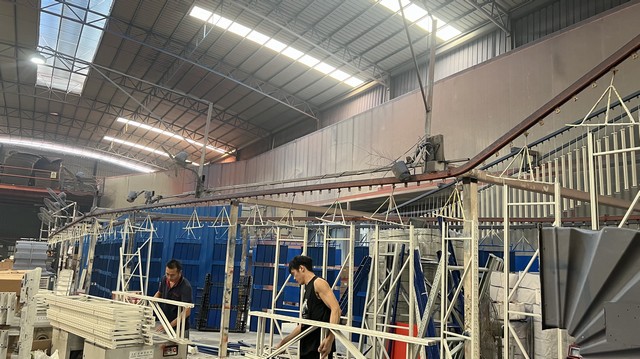
To consistently hit tolerance metrics below the millimeter mark, Aliracking employs fully automated production lines. Below is the step-by-step manufacturing flow, showing the journey from raw steel coils to the finished, packed systems:
For multinational corporations, compliance is a core risk mitigation factor. Structural racking solutions must comply with localized building codes and engineering guidelines. When exporting industrial equipment, Shenzhen Aliracking ensures all structural calculations and manufacturing processes align with recognized standards, including ANSI/MH16.1 in North America, the FEM 10.2.02 code in Europe, and AS4084 in Australia.
Our dedicated R&D and QA departments carry out strict load-deflection checks under full weight simulation. Using advanced finite element analysis (FEA) software, we stress-test our boltless and slotted connections to verify they can withstand seismic activity and impact loads from manual forklifts. Non-destructive weld testing, along with continuous salt spray testing on powder-coated and galvanized finishes, ensures that materials deployed in damp warehouses or cold-chain cold-storage facilities will resist corrosion for years to come.
To support global deployments, our logistics and engineering teams coordinate shipping, customs clearance, and structural alignment checks. By partnering with more than 850 upstream and downstream suppliers, we guarantee fast turnarounds and responsive design support. Our detailed assembly instructions and layout diagrams simplify the installation process, helping onsite contractors complete projects quickly and accurately.
 Aliracking