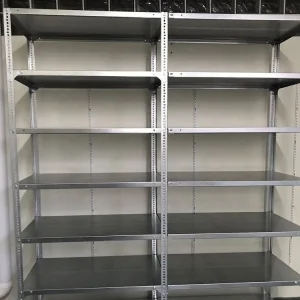
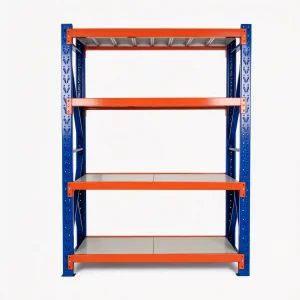
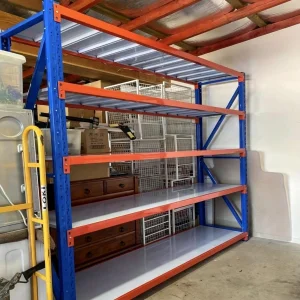
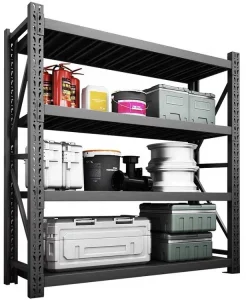
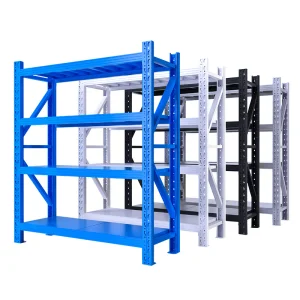
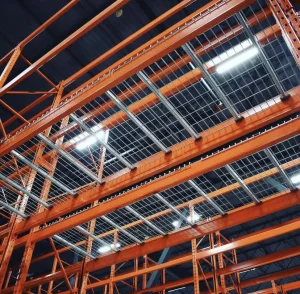
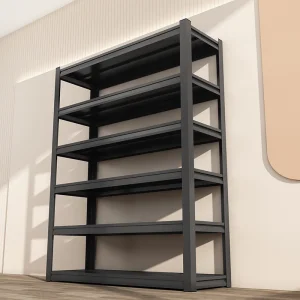
Premium structural steel racking configurations engineered for heavy-duty warehouse storage and multi-level pallet management.
Shenzhen Aliracking Industry Co., Ltd. is a leading manufacturer specializing in high-performance warehouse racking and industrial storage solutions. Established in 2015, the company operates a state-of-the-art production facility covering an expansive area of 35,000 m². With over 12 years of industry experience and 8 years of direct export expertise, we deliver robust, high-density storage systems to businesses worldwide, generating an annual export revenue of $18 million.
Quality and safety are at the core of our manufacturing philosophy. We implement rigorous ISO 9001 certified Quality Assurance (QA) protocols alongside comprehensive Third-Party On-Site Inspections and Non-Destructive Testing (NDT) for load-bearing components. Supported by a dedicated team of 28 QA/QC specialists and 15 R&D engineers, we released 45 new product designs last year alone. Our strong engineering capability allows us to offer extensive customization options, including tailored structural dimensions, customized load capacities, specialized powder coatings, and OEM/ODM services to meet complex logistics demands.
Backed by a solid Foreign Trade Corporation background and a strong network of over 850 supply chain partners, Shenzhen Aliracking serves a global customer base across North America, Europe, Southeast Asia, and the Middle East. Our primary clients include 3PL Logistics Providers, E-commerce Fulfillment Centers, Large Distribution Warehouses, and Industrial Manufacturers. We remain committed to optimizing space utilization and improving operational efficiency for warehousing enterprises across the globe.
A closer look inside our modern rolling and coating lines, where raw structural steel is fabricated into heavy-duty storage racks.
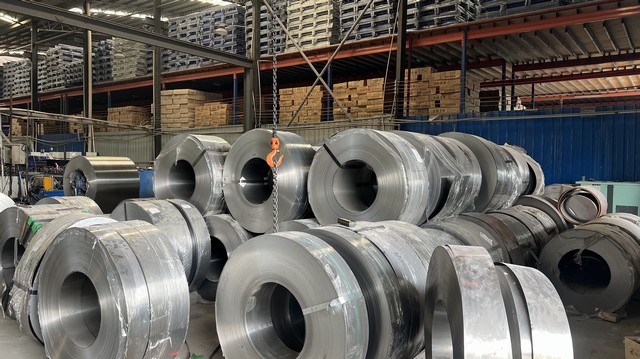 Raw Material Preparation
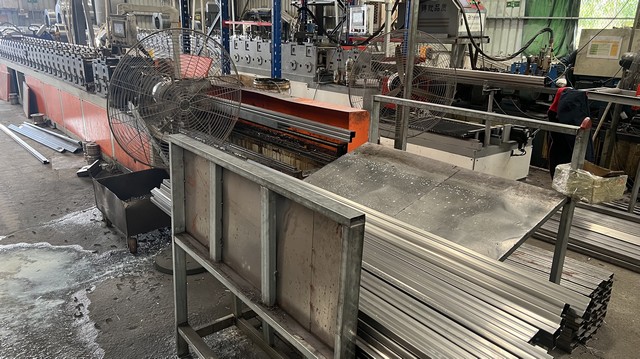 Cold Rolling Process
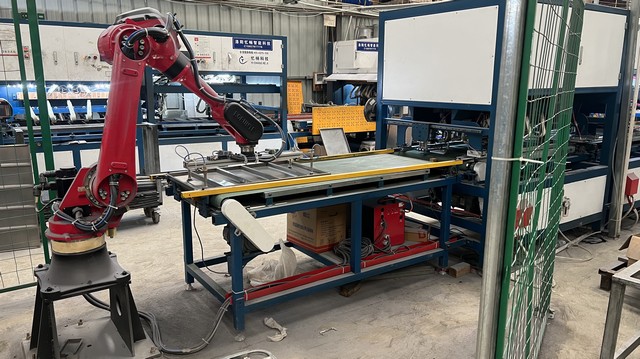 Structural Profiling
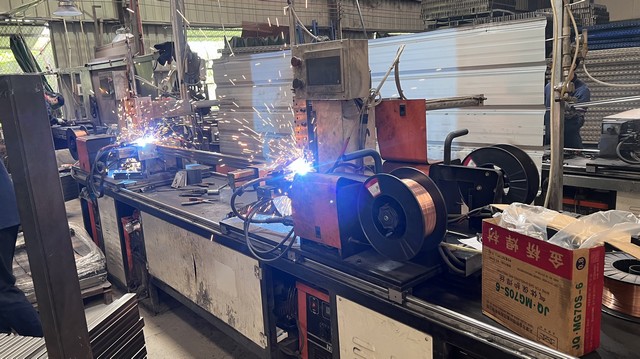 Precision Robotic Welding
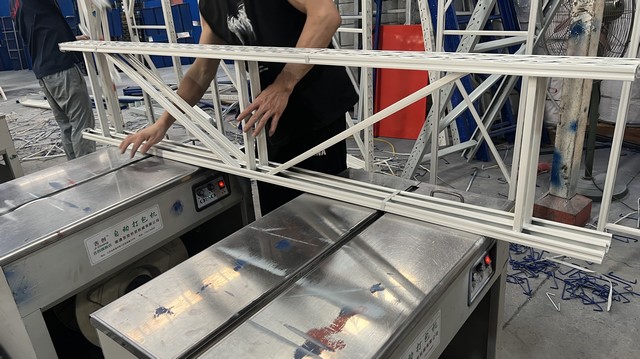 High-Density Packing
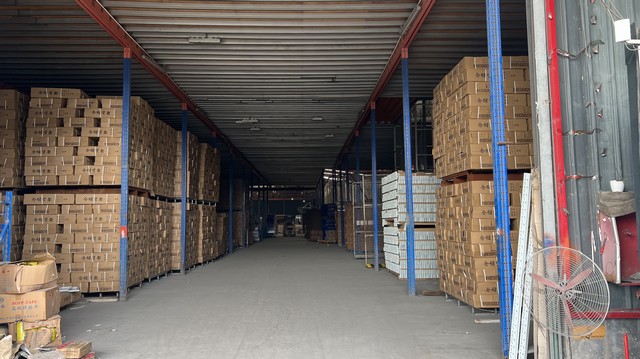 Finished Goods Warehouse
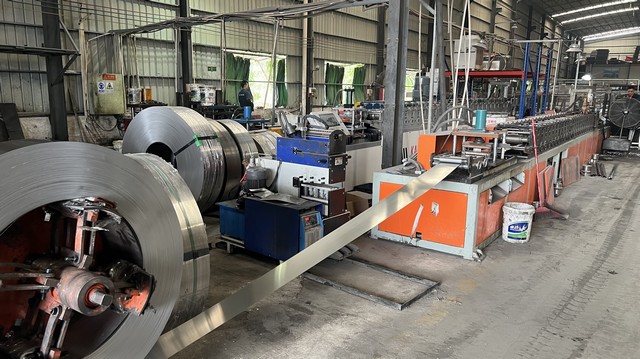 Square Tube Rolling Line
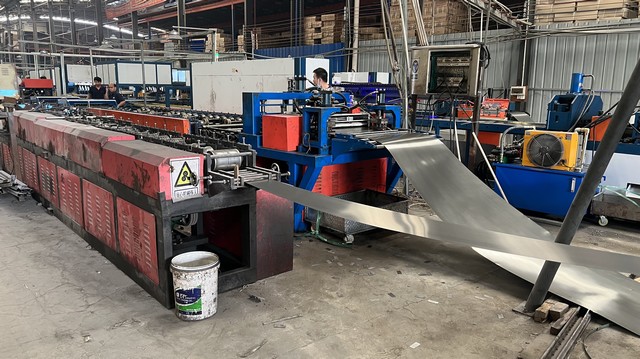 Auto Rolling Line
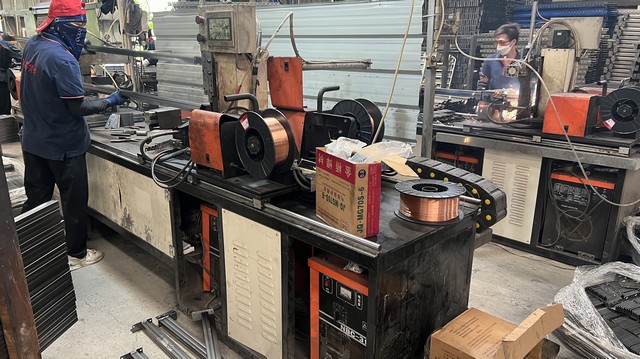 Automated Welding Line
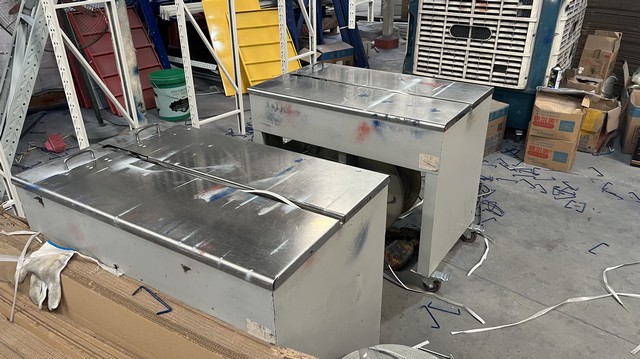 Shrink Wrap Packing Machine
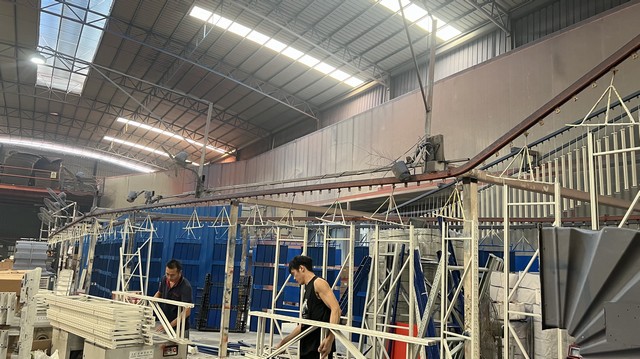 Electrostatic Powder Coating Production Line (Corrosion Resistant Finish)
Understanding the physics behind dynamic nested-cart gravity flow storage systems to maximize warehouse volume footprint.
A Push-Back Storage System (commonly known as push-back racking) is a high-density pallet storage solution designed to offer deep storage capability while maintaining faster access to products than traditional drive-in racking. Operating on a Last-In, First-Out (LIFO) inventory flow, the system utilizes a series of nested carts that slide along inclined steel rails under the influence of gravity.
When a forklift loads a pallet onto the top cart of a run, it pushes the cart back into the racking structure, exposing the next nested cart underneath. When the front pallet is retrieved, the remaining pallets glide forward automatically toward the aisle face, controlled by the gravity descent angle of the track (typically engineered between 1.5 degrees and 3 degrees).
Increases pallet storage capacity by up to 90% compared to standard selective racking by reducing aisles and consolidating access paths.
Unlike Drive-In racks, each lane is independently accessible, allowing warehouse managers to store distinct SKUs in every level and track.
Forklifts never enter the racking frame, significantly minimizing structural impact risks, rack damage, and operator accidents.
Leveraging geographical supply hubs, raw material integration, and automated manufacturing scales for infrastructure optimization.
China remains the global heart of heavy industrial storage manufacturing, offering structural advantages that cannot easily be replicated in Western domestic markets. For companies procuring large-scale warehouse installations, these advantages directly translate to project ROI and structural security.
Chinese racking manufacturers like Shenzhen Aliracking operate in close proximity to major domestic steel mills. This proximity ensures immediate access to high-grade structural carbon steel, specifically Q235B and Q355B hot-rolled coils. Because of this supply chain optimization, steel prices remain stable, allowing for predictable bidding processes on large-scale distribution center fit-outs.
Standardization works for simple shelves, but push-back storage requires tailored mechanical engineering based on pallet weight, size variations, and forklift specifications. Our specialized design department employs 15 R&D engineers to customize roll-formed upright configurations, seismic base plates, structural cart limits, and safety backstops. We cater to custom specifications, such as extra-deep 6-pallet deep configurations or unique cart orientations (e.g., standard or wide-span cart designs).
A warehouse's operating environment can range from dry ambient climates to high-humidity food distribution cold rooms. Our automated electrostatic powder coating lines provide a highly durable, corrosion-resistant, and scratch-resistant coating. Every structural beam and cart assembly undergoes multi-stage chemical pretreatment, acid cleaning, and phosphating prior to powder application, ensuring longevity and protection against rust.
How automation, ESG standards, and smart logistics technologies are redefining high-density storage frameworks.
Modern hybrid warehouses combine automated storage and retrieval systems with dynamic gravity flow setups. Smart sensors and remote shuttle technology are slowly replacing manual forklifts in deep-lane systems, increasing precision and safety.
Globally, procurement policies are demanding lower carbon footprints. Our production centers utilize eco-conscious metallurgy and closed-loop powder recovery systems, satisfying both RMI specifications and global environmental mandates.
The safety of gravity flow is dependent on reliable descent speed control. Innovation in pneumatic brake designs on cart tracks protects heavy pallet loads from crashing into the aisle during sudden retrievals, ensuring stable pallet flow.
Analyzing the performance of push-back racking setups across specific industrial environments and high-velocity supply chains.
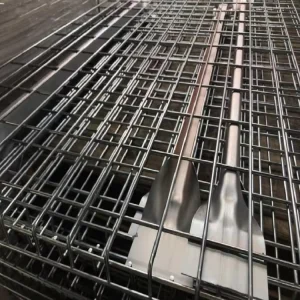
Cold rooms represent some of the most expensive industrial real estate to build and maintain due to energy-intensive cooling systems. Maximizing storage density is vital. Push-Back racking systems allow for dense lane structures that minimize empty air volumes, reducing heating/cooling bills. When constructed using structural galvanized steel wire mesh decking and heavy-duty carts, our push-back setups remain fully operational in sub-zero environments down to -30°C.
In high-volume e-commerce fulfillment hubs, speed and SKU management are crucial. Push-back systems allow each level to hold distinct SKUs, enabling forklift drivers to access multiple product lines from a single pick aisle. This is an advantage over drive-in racking, where an entire bay must be dedicated to a single SKU.
Industrial manufacturers require heavy-duty parts storage. When handling automotive parts, industrial castings, or steel coils, standard shelving fails. Heavy-duty push-back configurations with dynamic cart designs can support individual pallet weights exceeding 2000kg, facilitating safe material flow for heavy parts.
Crucial checklists and quality metrics that international procurement managers must evaluate prior to contracting a manufacturer.
When corporate procurement teams source heavy-duty warehouse infrastructure from international suppliers, structural reliability and certification compliance are non-negotiable. Sourcing storage systems requires evaluating the following engineering standards:
Expert engineering answers to standard questions about operation, safety, and configuration.
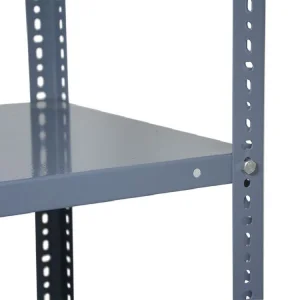
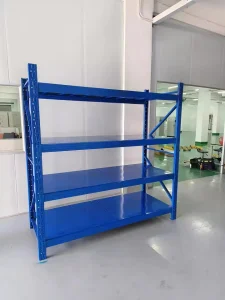
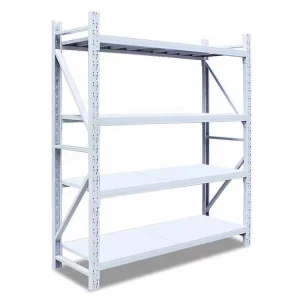
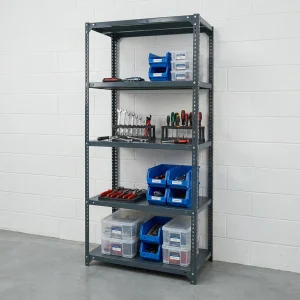
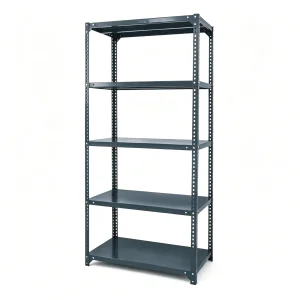
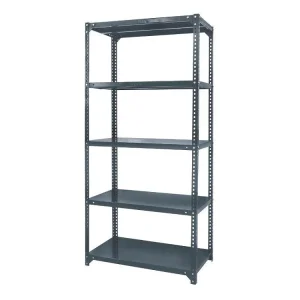
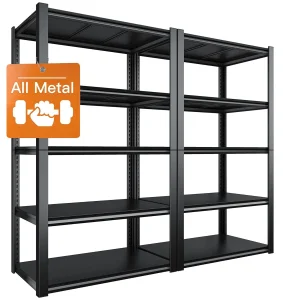
Versatile boltless and adjustable steel shelving units for light-duty commercial, warehouse retail, and garage inventory storage.
 Aliracking