Engineered for high load-bearing precision, structural longevity, and seamless warehouse workflow integration.
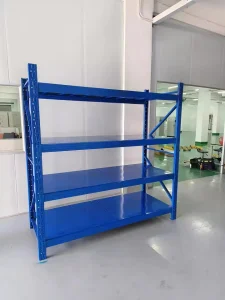
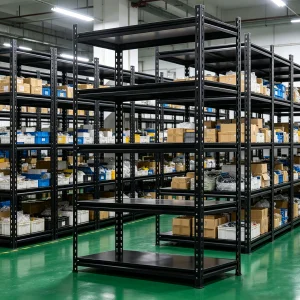
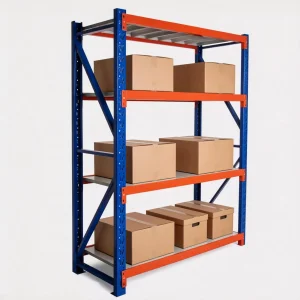
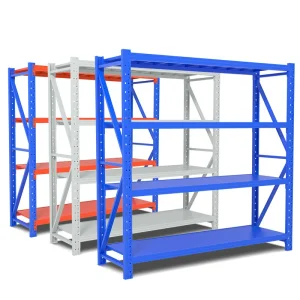
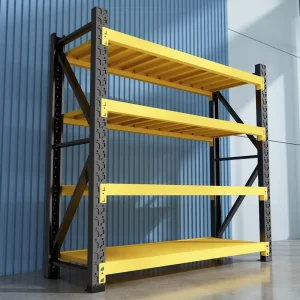
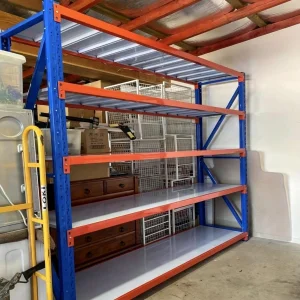
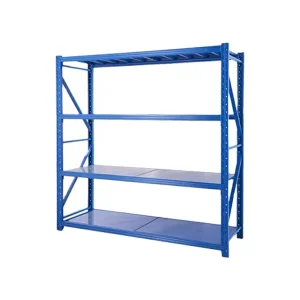
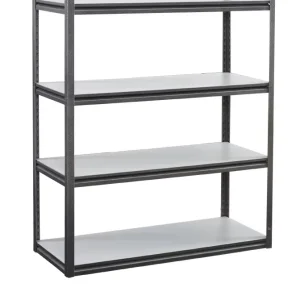
Established in 2015, Shenzhen Aliracking Industry Co., Ltd. stands as a benchmark manufacturer specializing in high-performance warehouse racking, logistics container components, and industrial storage systems. Operating a state-of-the-art production facility covering an expansive area of 35,000 m², we combine technical excellence with state-of-the-art engineering workflows to meet global procurement demands.
With over 12 years of industry experience and 8 years of direct export expertise, we deliver robust, high-density storage solutions to demanding sectors worldwide. Last year alone, our dedicated team of 28 QA/QC specialists and 15 R&D engineers developed and released 45 new product designs, solving complex mechanical constraints for clients in diverse economic climates. Our annual export revenue has topped $18 million, supported by a supply chain grid containing over 850 strategic partners.
Discover the structural and economic indicators that establish Chinese steel container and racking manufacturers as critical partners for Fortune 500 logistics operations.
By leveraging partnerships with national steel mills, Chinese manufacturers obtain premium Q235B and Q345B grade carbon steel. This ensures uniform yield strength and structural flexibility, protecting systems from sudden mechanical failure under extreme loads.
Utilizing high-speed roll forming lines and robotic welding equipment guarantees clean weld penetration and minimal thermal distortion. Automated systems mean structural uprights and box beams match design tolerances within tenths of a millimeter.
Operating near major maritime shipping terminals enables lower local transport fees and rapid customs clearance. This logistical base shortens overall transit times to key global trade hubs across North America, Europe, and the Middle East.
Modern commercial storage is shifting away from static shelving towards dynamic, integrated materials handling environments. The engineering team at Shenzhen Aliracking Industry Co., Ltd. monitors global standards to develop solutions that address these major industry shifts:
Custom structural engineering is critical to maximizing space and safety in large-scale installations. We tailor systems to address distinct industry bottlenecks:
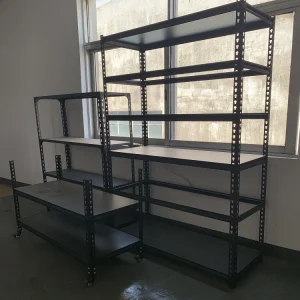
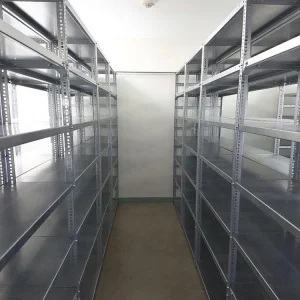
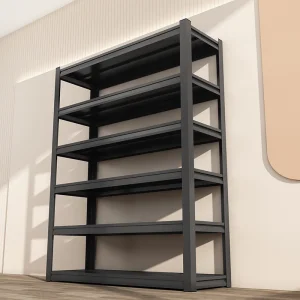
3PL & E-Commerce Fulfillment: Multi-tier mezzanine structures, high-density pallet flow racks, and boltless rivet configurations optimize picking paths and floor space.
Heavy Industry & Automotive Manufacturing: Structural steel racks designed to hold heavy engine blocks, tooling dies, and raw sheet metal without deflecting.
Cold Chain & Food Storage: Specialized structural steel alloys and heavy coating finishes that maintain structural integrity in deep-freeze zones down to -30°C.
A step-by-step review of our high-capacity production lines, showing the journey from raw steel to finished pallet systems.
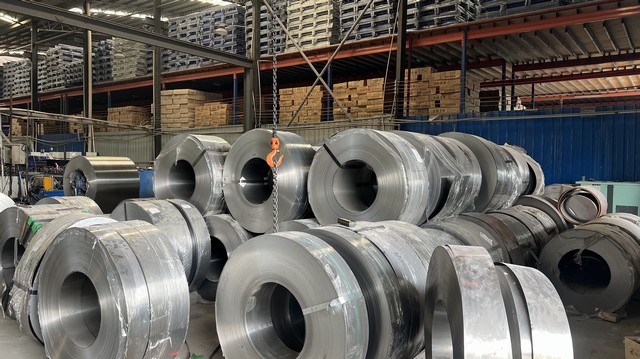
We source structural steel coils, inspecting thickness tolerances and surface conditions before fabrication begins.
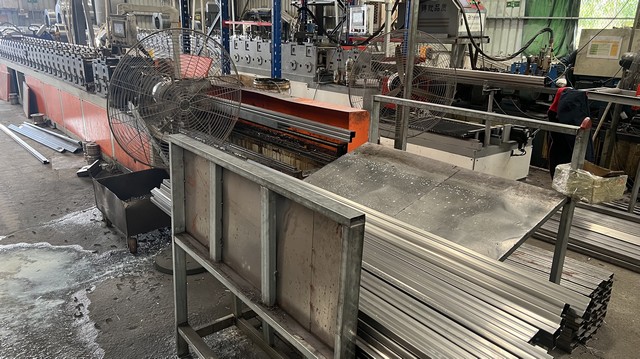
Automated roll-forming mills shape steel sheets into high-strength upright columns and horizontal load-bearing profiles.
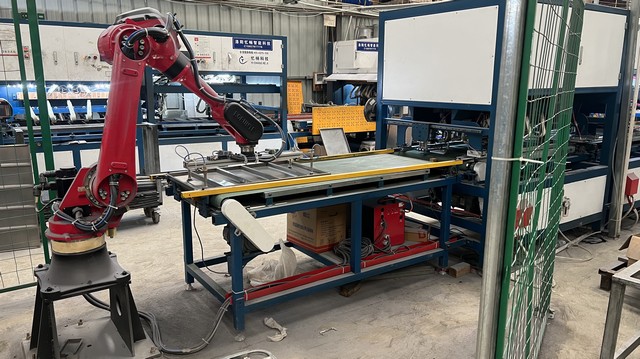
Precision punching presses cut keyhole configurations along the uprights to allow flexible height adjustments.
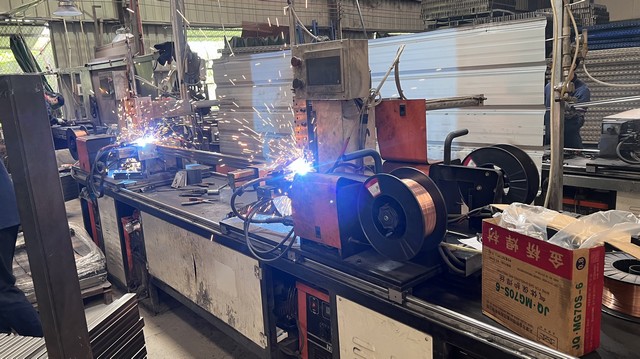
Certified robotic welding stations weld structural connectors, baseplates, and support braces together.
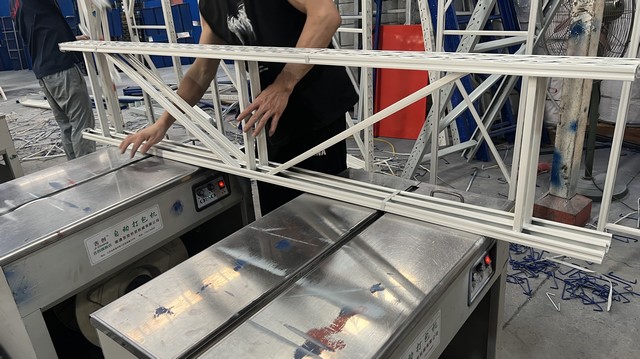
Components are packed with protective edge guards to prevent shipping damage during sea transit.
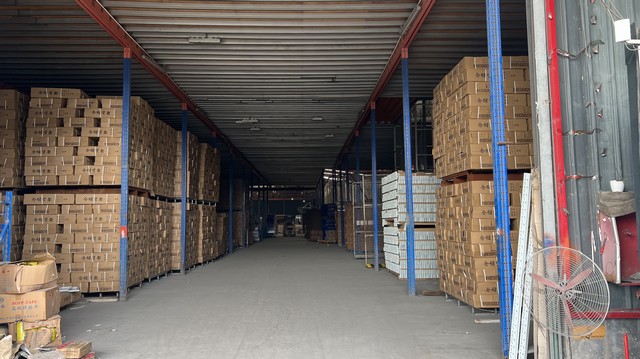
Finished goods are organized systematically in our warehouse to facilitate efficient shipping schedules.
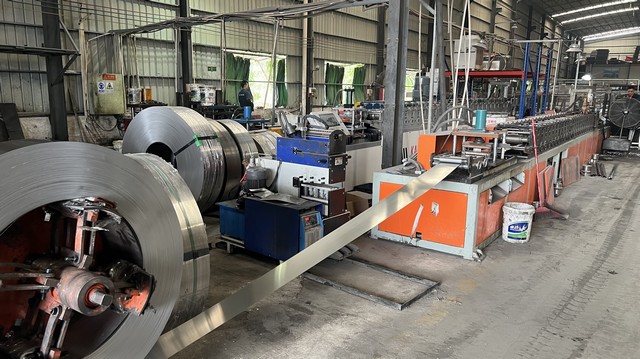
Dedicated production machinery forms structural square tubes, providing stable support frames.
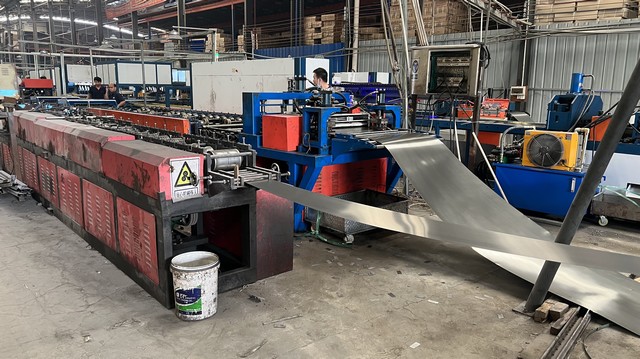
Our high-speed automated rolling machinery maintains dimension tolerances to global specifications.
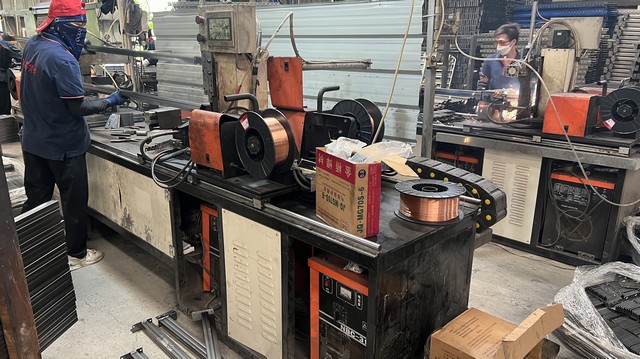
Multi-axis automated welding lines ensure clean, reliable structural joints for critical components.
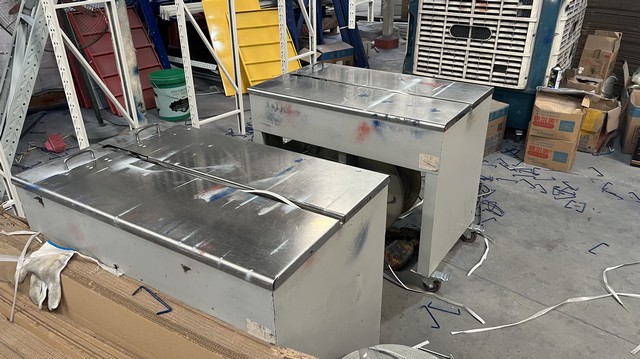
Wrapping machinery prepares components for shipping, keeping them stable during ocean transport.
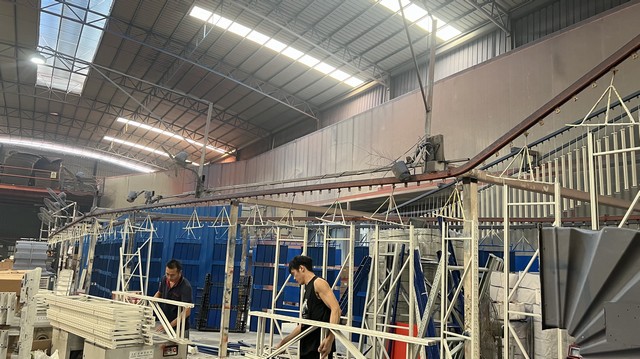
An automated multi-stage pre-treatment wash and powder coating line cures a tough, rust-resistant finish.
A technical guide to help procurement teams evaluate compliance and safety ratings when sourcing steel storage products.
Purchasing teams must confirm that racking and steel containers comply with strict deflection limits. According to standard FEM and RMI parameters, structural deflection must not exceed L/180 (where L is the beam length) under maximum design load. Overloading can compromise structural limits, resulting in progressive system failures.
Always demand a detailed load-capacity calculation report signed by structural engineers. This documentation should detail structural safety coefficients, simulated seismic performance under regional building codes, and material tensile tests.
Working with global inspection services like SGS, TÜV, or Intertek helps verify material quality before products ship. Key testing requirements include:
Coating Thickness (DFT): Cured powder coatings must average between 60 to 90 microns to protect structural profiles from moisture and chipping.
Cross-Hatch Adhesion Testing: Checks coating adhesion to prevent peeling under industrial wear.
Salt Spray Testing (ASTM B117): Essential for outdoor or cold-storage settings, ensuring corrosion resistance for at least 250 to 500 hours.
Expert engineering answers to common procurement, compliance, and material selection questions.
Q235B is carbon structural steel commonly used in light-to-medium systems, offering a yield strength of 235 MPa. Q345B is low-alloy, high-strength steel with a yield strength of 345 MPa. It is used in heavy-duty pallet racks, high-bay AS/RS systems, and warehouses in active seismic regions, enabling reduced overall material weight while maintaining design capacities.
Boltless rivet shelf designs use keyhole locking systems that assemble without specialized tools, lowering installation time and labor costs by up to 60%. These systems permit fast height shelf adjustments to match changing stock profiles, while providing rigid structural connections.
Cold storage features high humidity and temperature changes, which can accelerate rust on bare metal. Our electrostatic powder coating process creates an impermeable thermal barrier. This prevents moisture from reaching the underlying steel, reducing oxidation risks and extending system lifespan.
Every custom design undergoes Finite Element Analysis (FEA) to simulate load distribution and physical stress points. We then build physical prototypes to perform destructive load testing. This confirms our computerized modeling aligns with real-world physical load ratings.
Explore our targeted storage configurations designed to handle specific logistics and commercial needs.
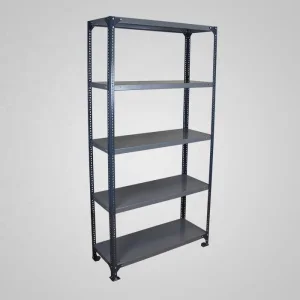
 Aliracking