Engineered for structural durability, modular reconfigurability, and optimal load distribution across heavy-duty warehouse applications.
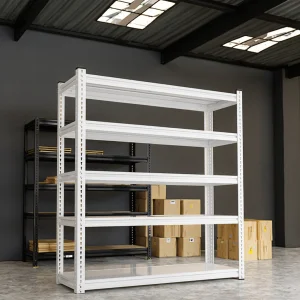
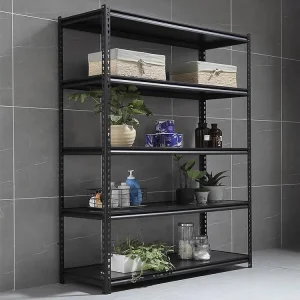
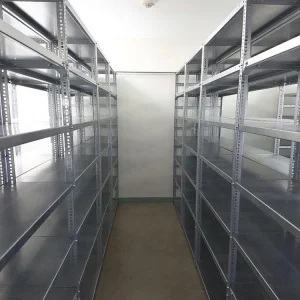
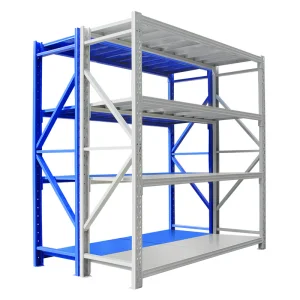
In modern global supply chain logistics, space is no longer just static volume—it is a critical driver of throughput speed and cost optimization. As 3PL networks, cold chain facilities, and high-frequency e-commerce fulfillment centers face increasing operational density demands, traditional static racking is shifting toward hybrid, automation-ready structures.
This whitepaper explores the critical intersection of structural engineering, cold-rolled material science, and automation integration. It provides procurement officers and warehouse design engineers with a blueprint for evaluating and executing enterprise-level material handling investments.
Operational Scale, Rigorous Quality Control, and Global Engineering Delivery Capability
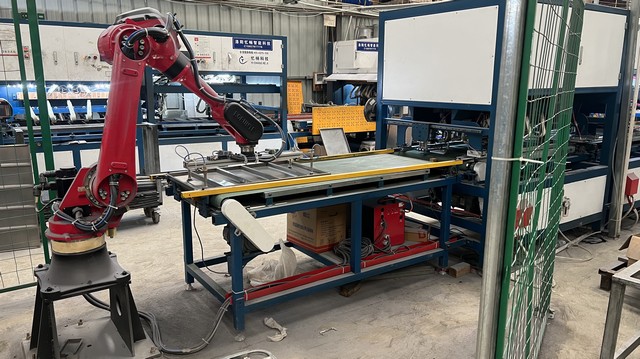
Operating a state-of-the-art production facility covering 35,000 m². Established in 2015, we merge advanced robotics with high-tonnage cold-rolling lines to support bulk manufacturing.
Backed by 28 QA/QC specialists implementing ISO 9001 certified protocols, Non-Destructive Testing (NDT) on stress welds, and third-party on-site cargo inspections.
Over 12 years of industry experience, 8 years of direct export, and an annual export revenue of $18 million across North America, Europe, Southeast Asia, and the Middle East.
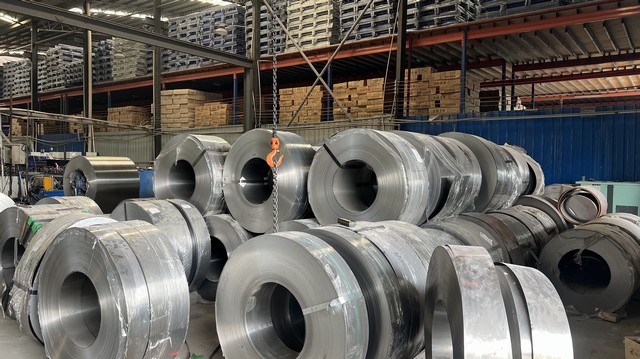
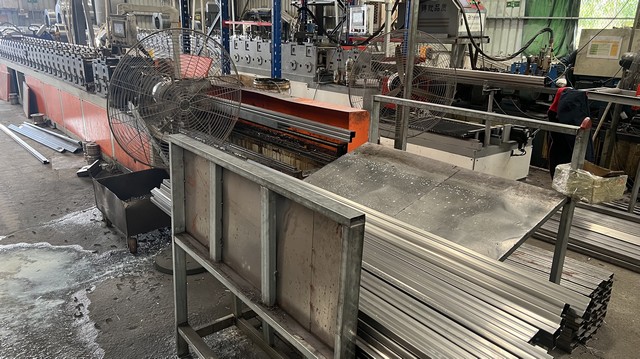
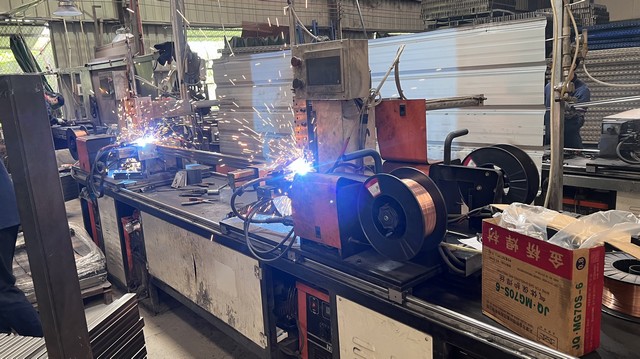
Direct view of our raw material preparation, precision rolling lines, automatic welding cells, and electrostatic powder coating plants.
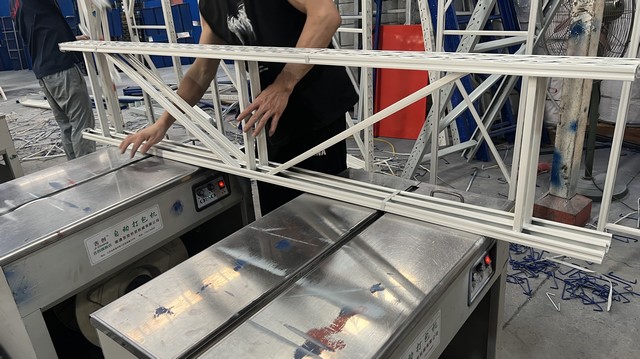
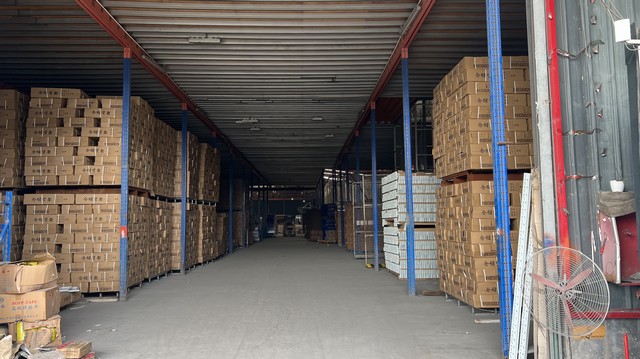
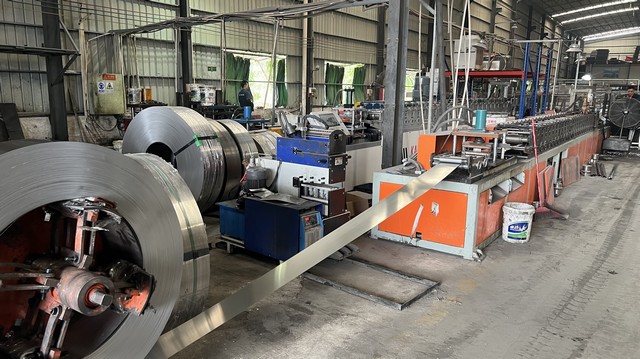
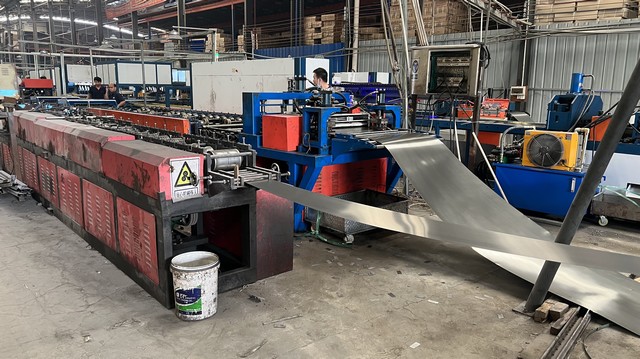
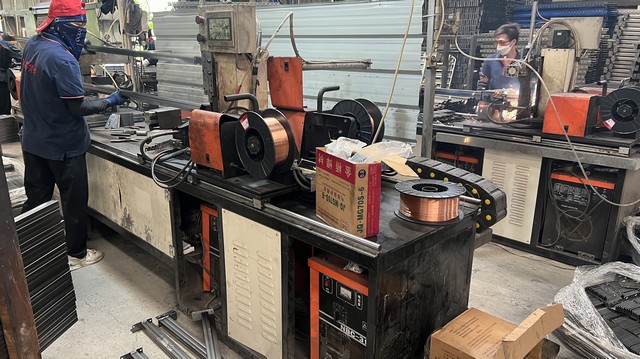
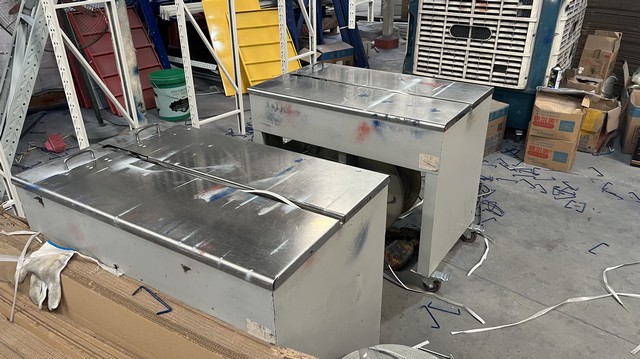
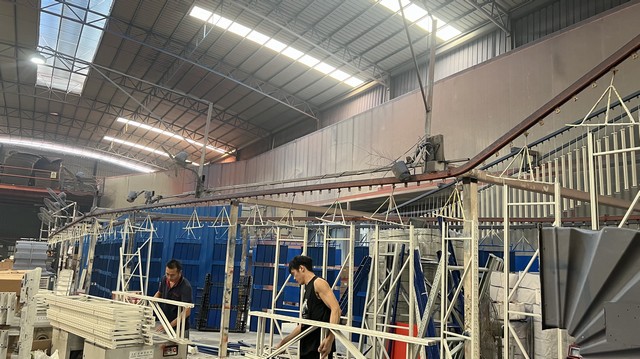
How localized manufacturing advantages and advanced metallurgy translate to capital efficiency and lower total cost of ownership (TCO) for global buyers.
Operating within China's primary industrial steel clustering zones gives us direct access to prime-grade cold-rolled steel coils (Q235B & Q355B). These alloys feature optimized silicon and manganese ratios, providing exceptional yield strength and bending resistance under seismic loads. By maintaining tight control over chemical composition tolerances, we ensure that every batch of steel has predictable mechanical performance.
Our automated, continuous roll-forming production lines utilize progressive die-punching arrays. This system stamps and profiles complex columns, upright frames, and box beams in a single pass. Cold forming limits micro-fissures in the profile corners, ensuring high dimensional consistency. This precise manufacturing allows for faster, safer, and more reliable integration of automated components.
Corrosion and environmental wear are mitigated via our multi-stage surface pre-treatment facility. Sections undergo hot acid-pickling, phosphating, and rinsing cycles before receiving electrostatic epoxy-polyester coatings (60-80 microns thickness). This process creates a dense surface layer that resists chemical damage and mechanical abrasion, making the racking suitable for high-humidity warehouses, pharmaceutical operations, and sub-zero cold chain storage facilities.
Our proximity to the Shenzhen port network simplifies international shipping. Leveraging an expansive ecosystem of more than 850 downstream material and component partners, we compress lead times for customized steel shelving systems. This supply chain integration helps us absorb raw material pricing shocks, offering stable pricing to our long-term distribution partners.
Evaluating the technical roadmap from traditional static shelving to fully integrated cyber-physical warehousing systems.
| System Class | Typical Configuration | Structural Tolerances | Ideal Scenarios & Throughput Dynamics |
|---|---|---|---|
| Static Shelving | Manual Boltless / Rivet Z-Beam systems, slotted angle shelves. | ± 2.0 mm alignment tolerance | Low-to-medium throughput, manual picker-to-goods fulfillment, e-commerce retail storage. |
| Automation-Ready | Guided racking arrays with precision rail alignments, high-bay uprights. | ± 1.0 mm alignment tolerance | Transitioning facilities integrating VNA (Very Narrow Aisle) trucks, AGV-assisted cart delivery. |
| Fully Integrated (AS/RS) | Double-deep pallet runners, multi-tier shuttle racks, high-speed automated cranes. | ± 0.5 mm alignment tolerance | High-velocity 3PL hubs, sub-zero cold food chain logistics, electronic component storage. |
Unlike standard racks, automated shuttle storage systems require tight deflection limits (often L/300 to L/400). This stiffness prevents horizontal bowing under load, ensuring that robotic shuttles and cranes can move smoothly without jamming.
Modern racking systems can be fitted with load cells and structural sensors. These devices monitor real-time stress distribution and load balances, sending alerts to Warehouse Management Systems (WMS) when structural thresholds are exceeded.
For warehouses located in active seismic zones, we engineer energy-dissipating baseplates and heavy-duty frame cross-bracing. These elements protect high-value automated machinery and inventory during earthquakes.
Customized storage configurations engineered to resolve unique logistical, environmental, and inventory throughput requirements.
E-commerce fulfillment centers handle high volumes of varying SKU sizes. We design modular, boltless multi-level steel mezzanine and rivet shelving networks. These systems allow layouts to be modified quickly as inventory profiles shift, helping operators optimize order-picking workflows.
Operating in temperatures down to -30°C requires specialized steel. Standard structural steel can become brittle and crack in extreme cold. We utilize low-temperature impact-resistant steel grades, coupled with specialized powder coatings, to maintain structural integrity in refrigerated and frozen food facilities.
3PL facilities require flexible, high-density storage to accommodate a diverse and changing client base. Our heavy-duty adjustable pallet racking systems allow for easy vertical beam reconfiguration, helping warehouse managers adapt layout spaces without needing new structures.
Manufacturing operations store heavy tooling, dies, and raw materials. Our heavy-duty racking configurations support load capacities of up to 4000 kg per level. These systems feature reinforced upright frames, robust beam-to-column connections, and secondary safety locks to prevent accidental forklift dislodgement.
Mitigating supply chain risks, ensuring compliance, and managing engineering delivery timelines for enterprise buyers.
We design and manufacture our products to comply with regional safety standards, including:
Every procurement cycle includes a comprehensive engineering package to support local permitting processes:
To ensure products arrive in optimal condition after long ocean transits, we use specialized shipping prep:
Slotted angle, boltless, and specialized industrial racking systems for versatile storage configurations.
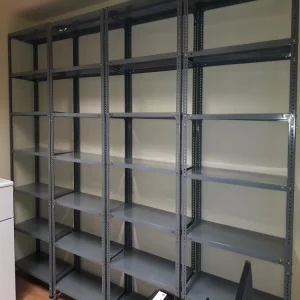
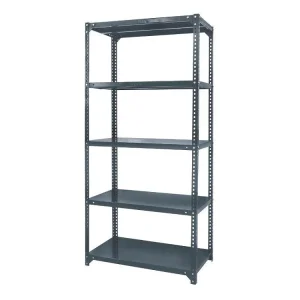
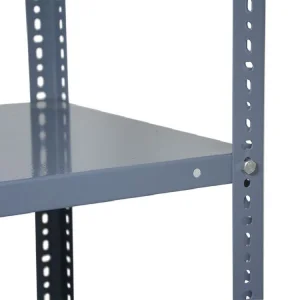
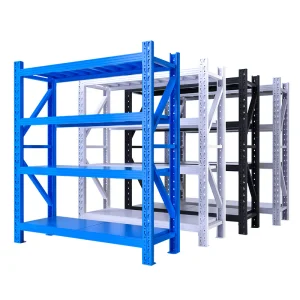
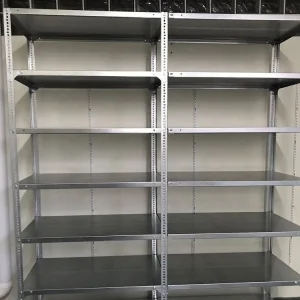
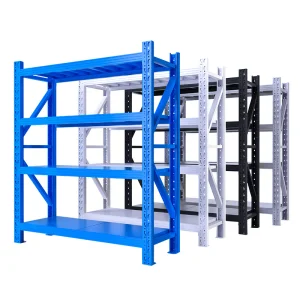
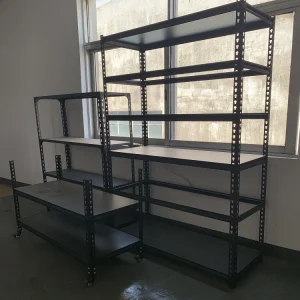
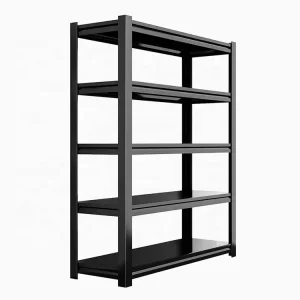
Technical insights on material standards, structural calculations, and design considerations for automated warehouses.
Roll-formed racking is made by feeding flat sheet steel through cold-rolling mills at room temperature to shape it into profiles (such as upright columns and box beams). It is modular, cost-efficient, and easy to adjust. Structural steel racking, by contrast, is hot-rolled into channels and welded. It is designed for heavy-duty environments prone to forklift impacts and supports higher overall load limits, but has a higher initial capital cost.
Automated racking systems—such as shuttle arrays or crane-served high bays—use Warehouse Control Systems (WCS) as a bridge to the WMS. The WCS coordinates the physical movements of the automated machinery, while the WMS manages global inventory placement, SKU priority, and picking orders. Integrating the two ensures real-time inventory tracking and optimized storage locations.
Automated guided vehicles, cranes, and shuttles travel at high speeds along fixed profiles. Even small deflections or misalignments in the racks can trigger safety sensor stops or cause the machines to jam. Tight engineering tolerances (e.g., L/300 deflection limit) maintain the precise clearances required for continuous, uninterrupted robot travel.
We conduct three levels of testing to verify load capacity and structural safety: Upright Compression Tests (to evaluate column buckling characteristics), Stub Column Tests (to measure local yield limits of cold-formed profiles), and Portal Frame Tests (to verify the structural stiffness of the beam-to-column connectors).
 Aliracking