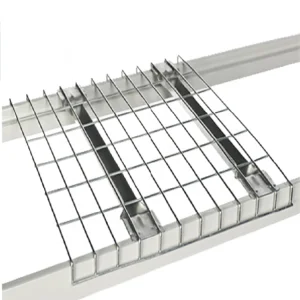
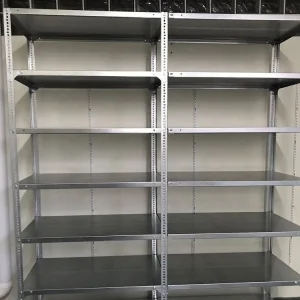
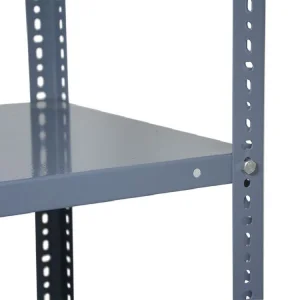
Explore our premium structural steel racking configurations, certified for dynamic loads and heavy storage environments.
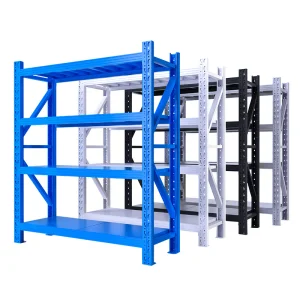
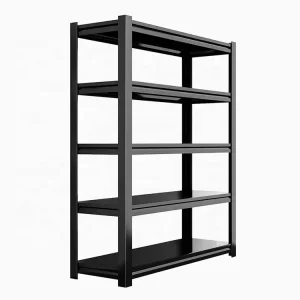
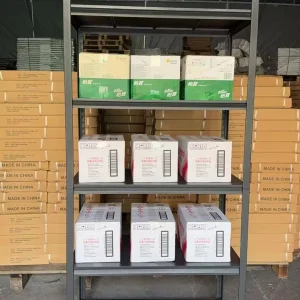
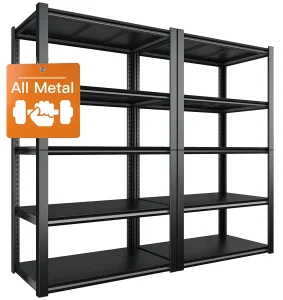
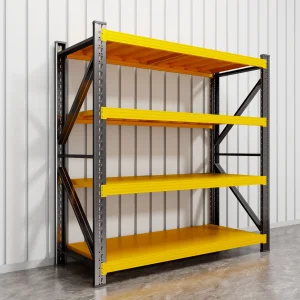
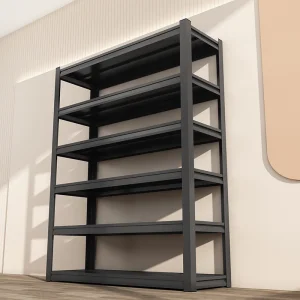
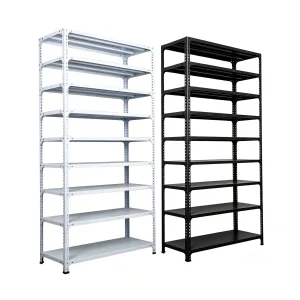
An executive analysis of dynamic flow engineering, mechanical deceleration, and gravity-assisted pallet logistics.
In modern industrial logistics, maximizing volumetric space efficiency while maintaining quick stock accessibility is the primary goal of supply chain engineers. Gravity Racks (widely referred to as Pallet Flow Racks or Dynamic Flow Systems) utilize a combination of sloped roller tracks, speed controllers, and gravity to move heavy pallets automatically from the loading aisle to the retrieval face. Operating on a strict First-In, First-Out (FIFO) stock rotation methodology, gravity flow racking ensures that older inventory is picked first, making it indispensable for perishables, cold storage, pharmaceuticals, and high-turnover consumer goods.
The mechanics of gravity flow racking require precision engineering. Unlike static storage systems, gravity flow racks are active kinetic systems. Each lane contains inclined roller beds (usually at a 3% to 4% slope) that must carry pallet weights ranging from 500kg to over 1,500kg. To prevent pallets from accelerating to dangerous velocities, mechanical speed controllers (centrifugal brake rollers) are integrated at specific intervals along the track. Additionally, sophisticated entry guides and end-stops absorb the impact of arriving pallets, guaranteeing safe, hands-free product movement without electrical consumption.
Ensures flawless inventory turnover. Ideal for batch-controlled goods, high-demand consumables, and perishables requiring rapid fulfillment cycles.
By eliminating multiple operational access aisles, gravity flow racks compact storage density to maximize square-footage utility.
Leverages natural gravitational force to transport pallets, significantly lowering carbon footprints and warehousing electricity overheads.
A global leader in structural engineering, automated warehousing solutions, and high-density industrial racking.
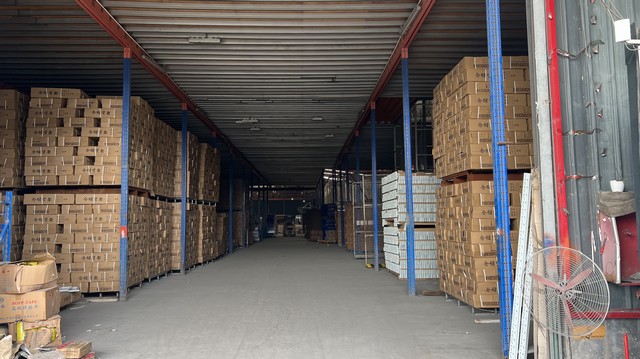
Established in 2015, Shenzhen Aliracking Industry Co., Ltd. has established itself as an elite manufacturer specializing in high-performance warehouse racking and industrial storage solutions. Operating a state-of-the-art production facility covering an expansive area of 35,000 m², we bridge the gap between heavy structural manufacturing and complex engineering customization. With over 12 years of industry experience and 8 years of direct export expertise, we deliver robust, high-density storage systems to businesses worldwide.
Quality and structural safety are at the core of our manufacturing philosophy. We implement rigorous ISO 9001 certified Quality Assurance (QA) protocols alongside comprehensive Third-Party On-Site Inspections and Non-Destructive Testing (NDT) for load-bearing components. Supported by a dedicated team of 28 QA/QC specialists and 15 R&D engineers, we released 45 new product designs last year alone to meet evolving material-handling requirements. Our strong engineering capability allows us to offer extensive customization options, including tailored structural dimensions, customized load capacities, specialized powder coatings, and comprehensive OEM/ODM services to satisfy complex logistics demands.
Backed by a solid Foreign Trade Corporation background and a strong network of over 850 supply chain partners, Shenzhen Aliracking serves a global customer base across North America, Europe, Southeast Asia, and the Middle East. Our primary clients include 3PL Logistics Providers, E-commerce Fulfillment Centers, Large Distribution Warehouses, and Industrial Manufacturers. We remain committed to optimizing space utilization, reducing material-handling times, and improving operational safety for warehousing enterprises across the globe.
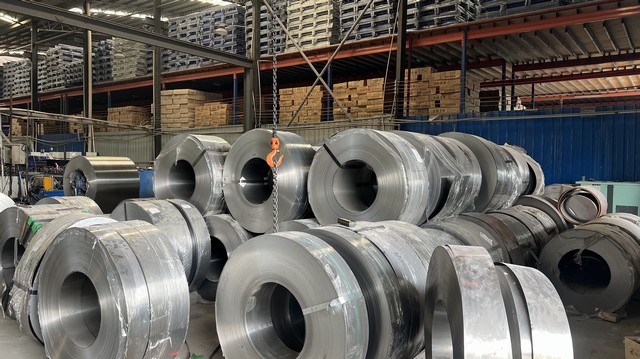
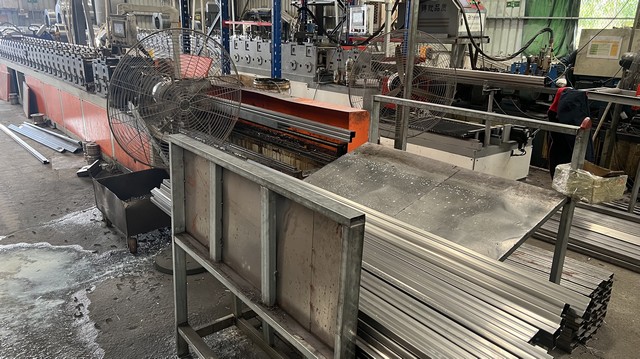
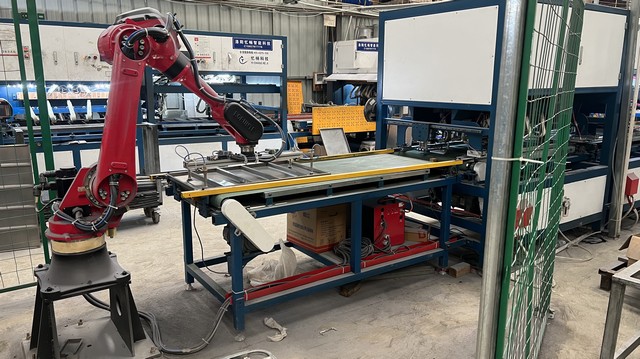
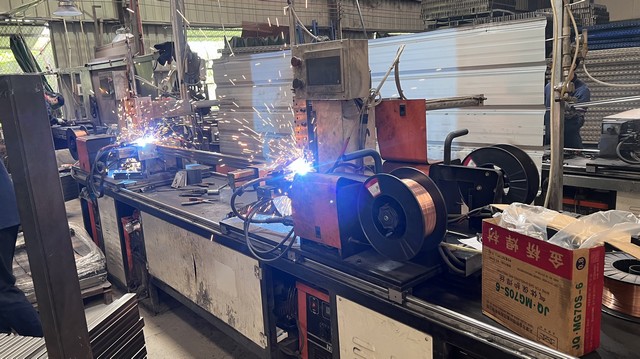
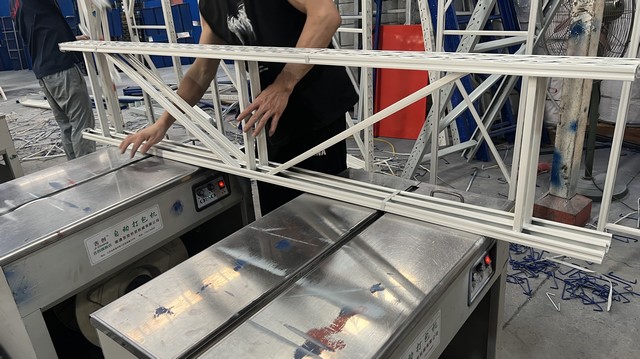
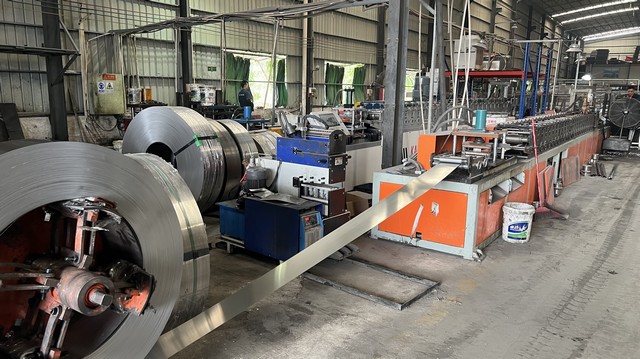
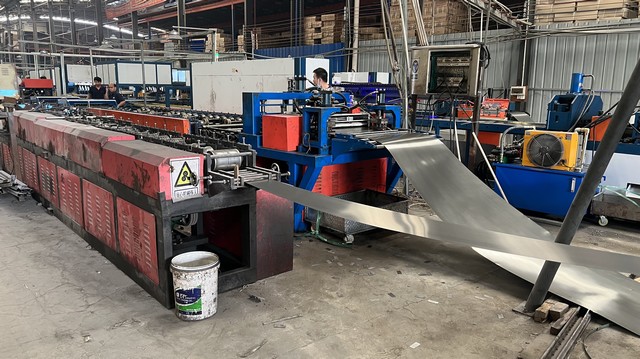
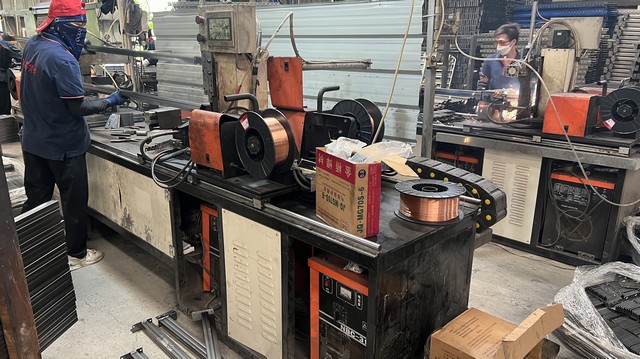
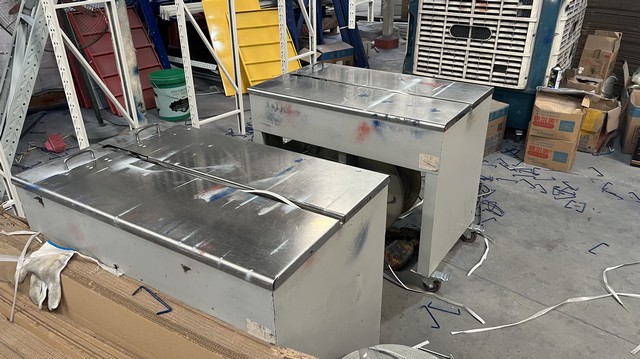
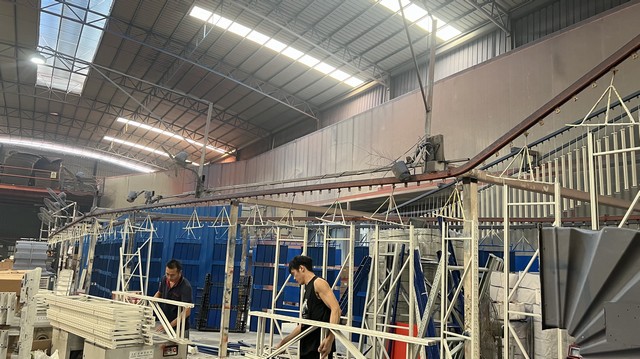
A transparent look at our fabrication processes, utilizing automated rolling mills, robotic welding, and automated surface coatings.
Technical considerations for supply chain leaders purchasing high-capacity dynamic racking networks.
When purchasing racking for dynamic storage, deflection limits must be calculated to prevent metal fatigue. The industry standard mandates that under maximum structural load, the beam deflection must not exceed L/300 (where L is the length of the span). For gravity flow setups, excessive beam deflection can distort the angle of inclination, halting the movement of pallets or causing tracking issues. Our R&D department utilizes structural steel grade Q235B and Q355B to deliver load capacities that comfortably exceed standard structural stress thresholds.
Unlike static pallet shelves, gravity racking operates with moving loads. When a 1,000kg pallet slides down a 30-meter lane, it accumulates kinetic energy. Without dampening, this presents a severe impact risk to both the structure and front-end lift trucks. Procurement specialists should specify:
Gravity racks rely entirely on clean contact between the bottom of the pallet and the rollers. Splintered wooden pallets, plastic pallets with uneven runners, or sagging boxes can catch on the roller shafts, halting flow. Our team works directly with global engineers to verify roller pitch (usually 50mm, 75mm, or 100mm) against customer pallet specifications to ensure smooth transport.
Understanding the material, manufacturing speed, and cost benefits of Chinese logistics supply chains.
China produces over 60% of the world's structural racking systems. This industrial concentration yields several clear advantages for multinational procurement managers:
1. Integrated Raw Material Ecosystem: Chinese manufacturers operate in close proximity to massive steel mills. This proximity guarantees a steady supply of premium, certified cold-rolled coil steel (such as Q235B and Q355B), shielding customers from raw material supply bottlenecks.
2. Advanced Manufacturing Automation: Over the last decade, leading Chinese factories like Shenzhen Aliracking have invested heavily in automated machinery. Our 35,000 m² factory features automated tube-rolling lines, computerized stamping, robotic welding stations, and high-capacity electrostatic powder coating lines. These technologies minimize human error, improve component tolerances, and optimize cost structures.
3. Advanced OEM/ODM Engineering: With an in-house engineering team of 15 R&D specialists, we provide custom layouts, frame design, seismic simulation testing, and specific color coatings. Our design process matches standard European (FEM) and American (RMI) profiles, allowing seamless integration with pre-existing warehouse installations.
How we ensure global compliance, site safety, and earthquake-resistant designs in high-density rack configurations.
When deploying dynamic racking systems, meeting regional building and safety codes is a critical requirement. Different jurisdictions enforce specific structural standards for load capacities, deflection limits, and safety measures. Shenzhen Aliracking designs and tests all racking systems in strict compliance with the following international standards:
In earthquake-prone regions (such as sections of the US West Coast, Central America, Japan, and Southern Europe), gravity racks must be engineered to withstand seismic forces. The movement of pallets, coupled with ground movement, can destabilize an under-engineered rack. Our engineering team calculates local ground acceleration parameters, adjusting column profile sizes, bracing patterns, baseplate sizes, and anchor configurations to guarantee stability during seismic events.
Discover how various industries deploy gravity flow racking systems to streamline logistics and maximize square-footage utility.
By maximizing density, gravity racking reduces the total refrigerated volume required, saving substantial energy costs in cold storage environments.
Strict FIFO control guarantees that products with expiration dates are dispatched in order, minimizing product waste and ensuring compliance.
Gravity racks accelerate order picking cycles by continually positioning replenishment pallets at the front picking face, minimizing travel times.
Expert answers regarding structural configurations, safety standards, and roller maintenance.
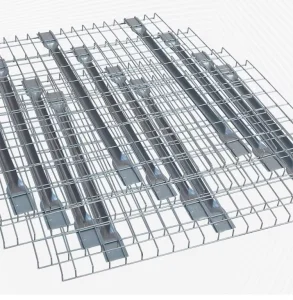
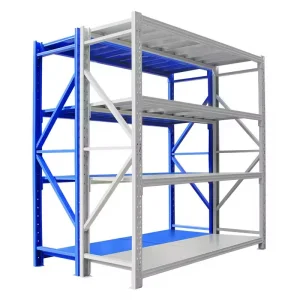
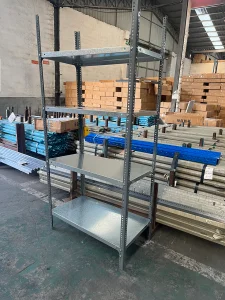
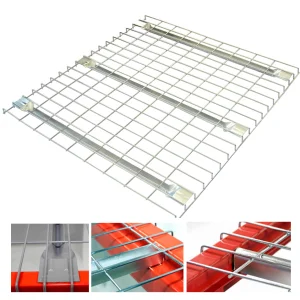
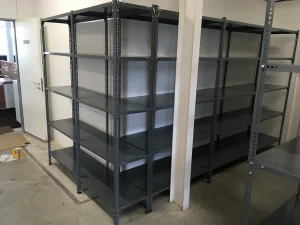
Explore our complete range of heavy-duty galvanized wire decking, slotted angle racking, and warehouse storage solutions.
 Aliracking