Aliracking
Chapter 1: The Commercial & Industrial Landscape of Storage Systems in Ethiopia
Ethiopia's Industrial Transformation & Logistics Demand
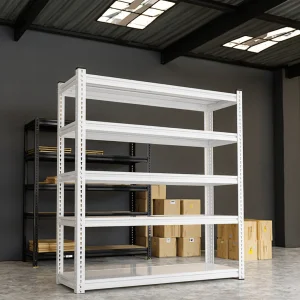
Over the past decade, Ethiopia has established itself as one of East Africa's leading manufacturing and light industrial powerhouses. Through the construction of key industrial corridors like the Bole Lemi, Hawassa, Kilinto, and Adama Industrial Parks, the country has prioritized foreign direct investment (FDI) and structural export growth. Key industries such as textile manufacturing, agro-processing, pharmaceuticals, and consumer electronics assembly require large-scale, efficient, and flexible storage spaces.
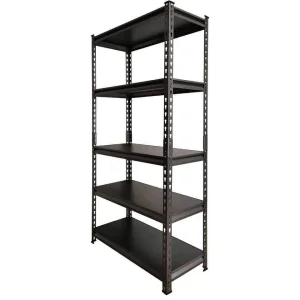
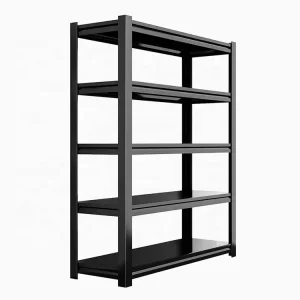
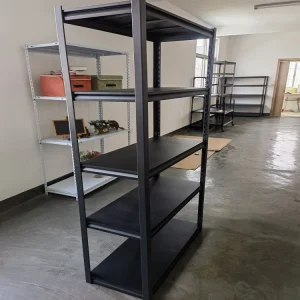
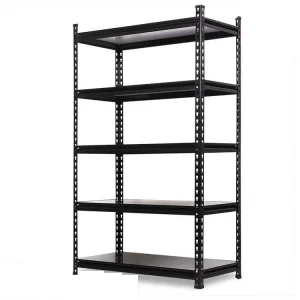
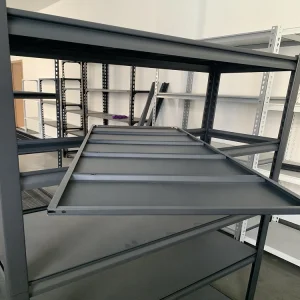
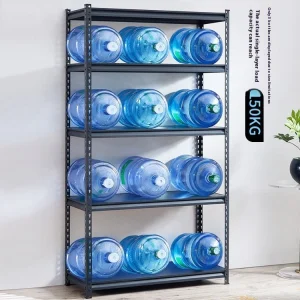
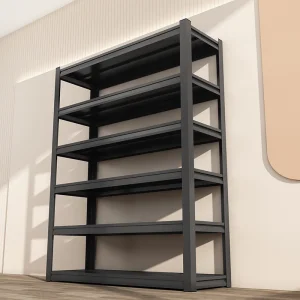
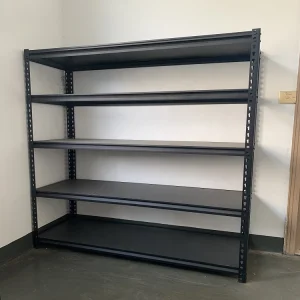
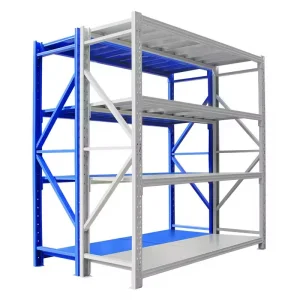
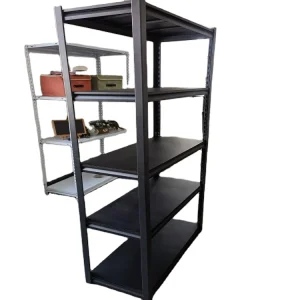
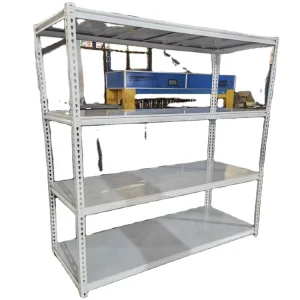
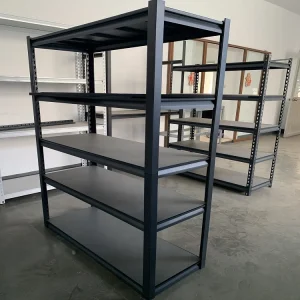
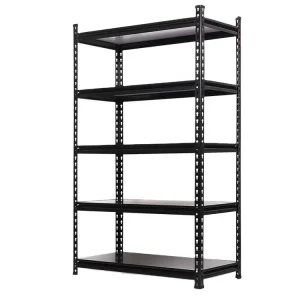
In this dynamic economic environment, supply chain efficiency is critical. Historically, warehousing in cities like Addis Ababa and Dire Dawa relied on permanent welded steel racks, which are slow to install and difficult to reconfigure. Modern warehousing demands modularity. Boltless shelving offers tool-free assembly, adjustable shelf levels, and customizable bay dimensions, making it the system of choice for rapidly evolving logistics hubs.
Cross-Border Logistics and the Djibouti Corridor
For Ethiopian importers, raw materials and equipment enter primarily through the Port of Djibouti, moving along the 750km Addis Ababa-Djibouti corridor. High transport costs mean space utilization must be optimized at every stage of the supply chain.
Boltless shelving units feature a compact, flat-pack design that significantly reduces container shipping volume. Racks that would take up multiple containers when pre-welded are shipped disassembled, maximizing container density and reducing freight costs per unit by up to 40%. This efficiency makes importing premium racking systems from expert Chinese manufacturers highly cost-effective.