Engineered specifically to maximize space configuration and earthquake mitigation requirements in Japanese logistics yards and urban hubs.
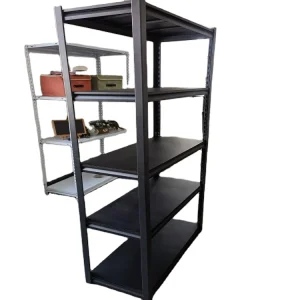
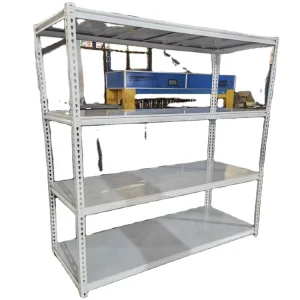
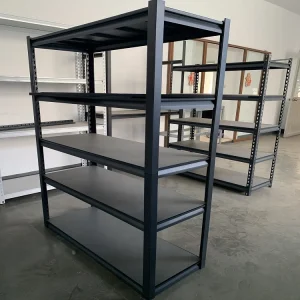
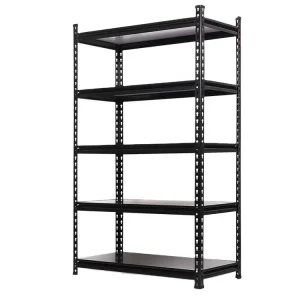
The industrial landscape in Japan is shaped by unique constraints: astronomical urban real estate costs, a severe post-2024 logistics labor crisis (物流の2024年問題), and stringent seismic design requirements defined by the Building Standards Act. In modern cities like Tokyo, Yokohama, and Osaka, traditional bolted storage systems are rapidly being phased out. Warehouse managers require fast, highly adaptive, and seismic-ready racking configurations that can be restructured without heavy machinery or prolonged downtime.
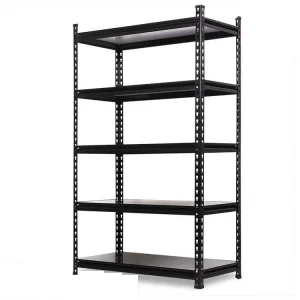
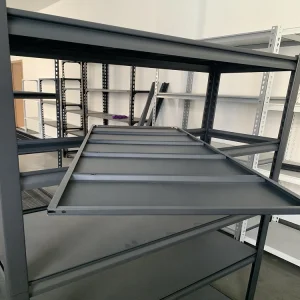
Boltless shelving (ボルトレスラック) has emerged as the definitive solution. By eliminating nuts and bolts, assembly and reconfiguration speeds are enhanced by up to 80%. Under Japan's seismic criteria, these structures rely on intelligent friction-fit rivet connections. When properly designed with anchor baseplates and dynamic bracing, boltless racks absorb micro-seismic shock waves, shifting slightly without experiencing catastrophic structural collapse.
Additionally, with the rise of automated guided vehicles (AGVs) and autonomous mobile robots (AMRs) in Japanese smart warehouses, precision in racking tolerances is paramount. Multi-level boltless platforms must maintain rigid verticality and precise shelf clearances to accommodate automated retrieval claws and robotic picking pathways.
On a global scale, the industrial storage industry is undergoing rapid consolidation. Heavy industries are pivoting from low-cost, low-grade steel toward high-tensile, cold-rolled structural steel (typically SPCC or SGCC grades). This shift reduces the overall weight of the racking systems while substantially increasing safe working load limits (SWL).
In addition, sustainability is a driving force. Modern procurement directives require clean, non-toxic manufacturing processes. Solvent-free electrostatic powder coatings and recyclable steel profiles are no longer optional. Leading manufacturers must leverage automatic eco-friendly cleaning lines to guarantee zero VOC discharge during the coating phases.
At Shenzhen Aliracking, we remain at the absolute vanguard of these technological advancements. By deploying finite element analysis (FEA) models, we simulate structural loading conditions under simulated seismic waves up to Magnitude 7.0. Our design methodology ensures that the critical interlocking joints—the dynamic rivet to upright post connections—distribute stress loads uniformly across the vertical channel walls, mitigating structural fatigue over decades of continuous operation.
Furthermore, our close alignment with global steel mills ensures consistent metallurgical properties, preventing issues such as localized hydrogen embrittlement or structural deviations common with lower-tier steel providers.
How our advanced manufacturing specifications compare to baseline industry standards for Japan distribution warehouses.
| Performance Indicator | Shenzhen Aliracking Specifications | Standard Market Competitors | Japan Market Advantage |
|---|---|---|---|
| Raw Material Grade | High-Tensile Cold Rolled Q235B / SPCC Steel | Recycled or low-grade Q195 Steel | Prevents structural deformation under prolonged full load; complies with local safety audits. |
| Seismic Mitigation | Integrated heavy-duty footplates & interlocking sway braces | Thin plate simple stamping foot flanges | Maintains stability in Japan's seismic zones (seismic intensity up to Shindo 5-6). |
| Coating Thickness | 60 - 80 Microns Electrostatic Powder Coating | 35 - 45 Microns Liquid or basic powder paint | Superior impact resistance, prevents rusting in cold-chain and maritime port environments. |
| Assembly Mechanic | Interlocking Rivet & Post (Tear-Drop / Butterfly style) | Standard nuts, bolts and crossbars | Zero tools required for setup. Reduces warehouse downtime and labor installation cost. |
| Safety Factor | 1.5 : 1 structure overload capacity margin | 1.2 : 1 baseline load limit | Eliminates risk of structural failure from accidental forklift impact. |
Shenzhen Aliracking Industry Co., Ltd. is a leading manufacturer specializing in high-performance warehouse racking and industrial storage solutions. Established in 2015, the company operates a state-of-the-art production facility covering an expansive area of 35,000 m². With over 12 years of industry experience and 8 years of direct export expertise, we deliver robust, high-density storage systems to businesses worldwide, generating an annual export revenue of $18 million.
Quality and safety are at the core of our manufacturing philosophy. We implement rigorous ISO 9001 certified Quality Assurance (QA) protocols alongside comprehensive Third-Party On-Site Inspections and Non-Destructive Testing (NDT) for load-bearing components. Supported by a dedicated team of 28 QA/QC specialists and 15 R&D engineers, we released 45 new product designs last year alone.
Our strong engineering capability allows us to offer extensive customization options, including tailored structural dimensions, customized load capacities, specialized powder coatings, and OEM/ODM services to meet complex logistics demands.
Backed by a solid Foreign Trade Corporation background and a strong network of over 850 supply chain partners, Shenzhen Aliracking serves a global customer base across North America, Europe, Southeast Asia, and the Middle East. Our primary clients include 3PL Logistics Providers, E-commerce Fulfillment Centers, Large Distribution Warehouses, and Industrial Manufacturers. We remain committed to optimizing space utilization and improving operational efficiency for warehousing enterprises across the globe.
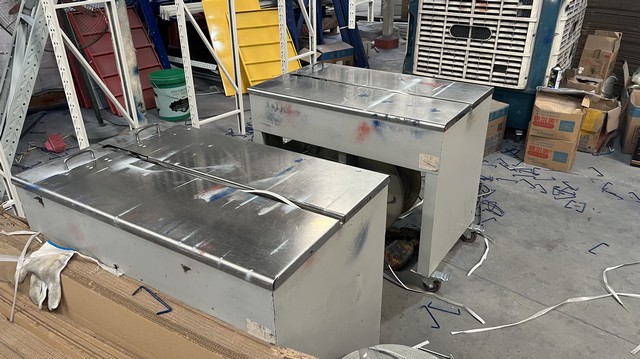
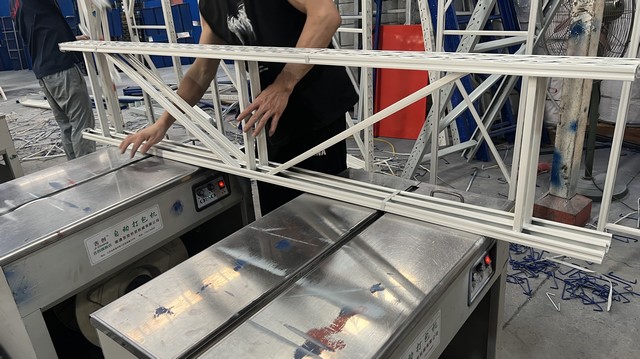
From raw cold-rolled steel coils to fully coated, seismic-resistant heavy duty components.
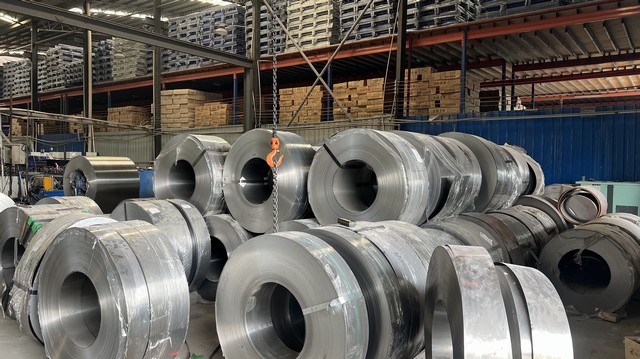
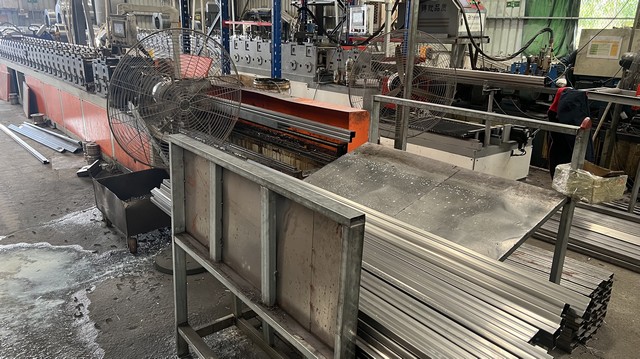
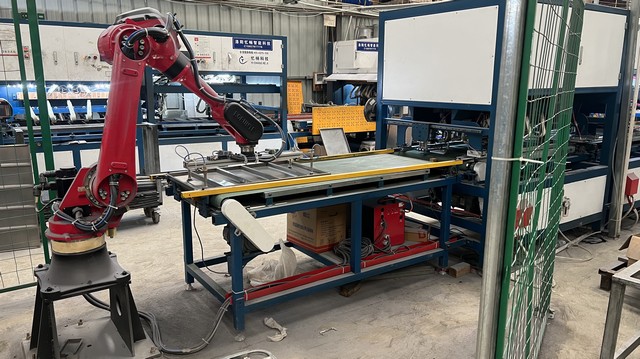
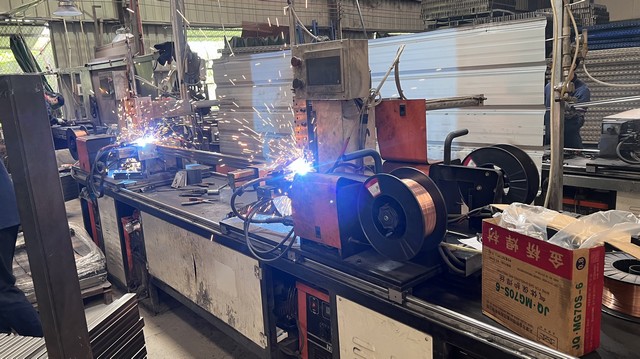
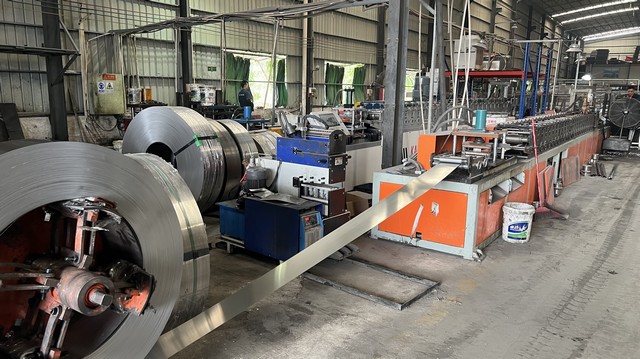
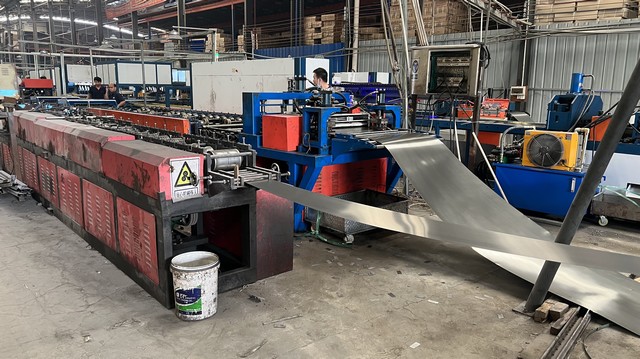
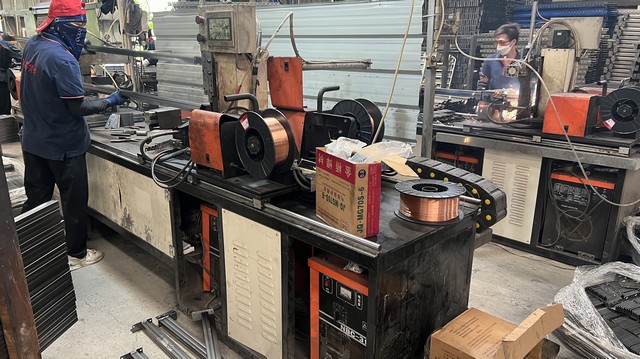
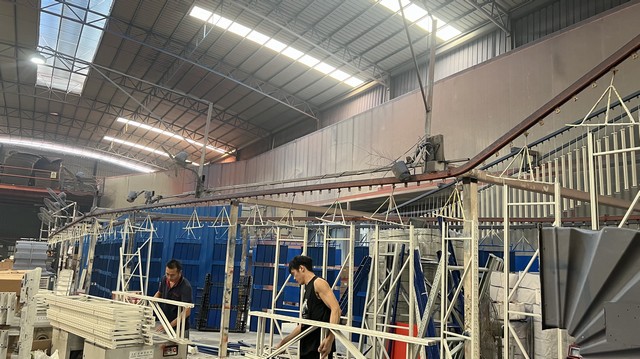
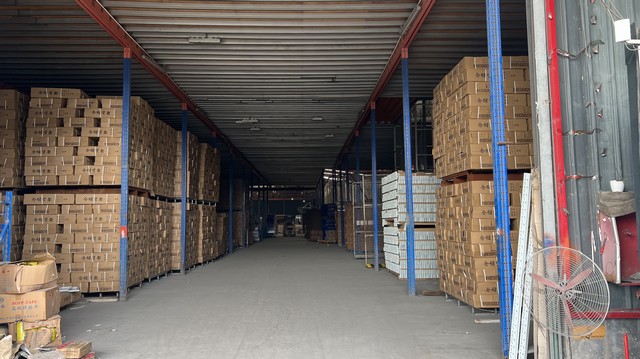
Discover how leading enterprise facilities leverage Aliracking boltless configurations for critical space gains.
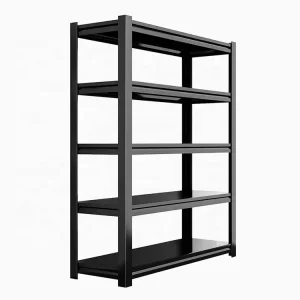
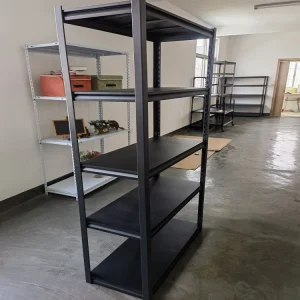
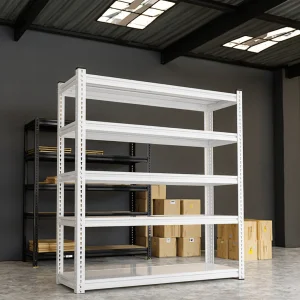
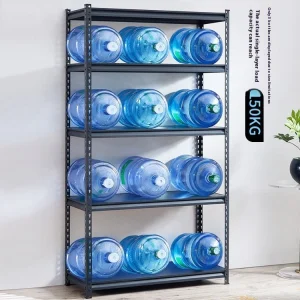
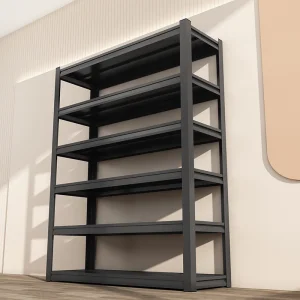
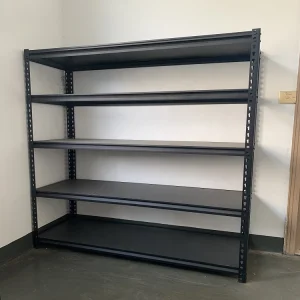
Faced with rapid turnarounds and high container volumes, this multi-tier fulfillment center utilizes 5-layer heavy-duty boltless rivet systems to optimize order pick rates. The structural integrity supports up to 400kg per layer without deflection.
Handling heavy industrial components, this facility required strict compliance with local safety standards. Customized zinc-coated configurations provide robust corrosion protection while ensuring stability during local tremors.
To integrate with standard cleanroom specifications, Aliracking deployed electrostatically coated, scratch-resistant steel frames that do not collect metal shavings or produce carbon residues over time.
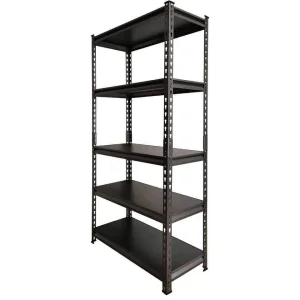
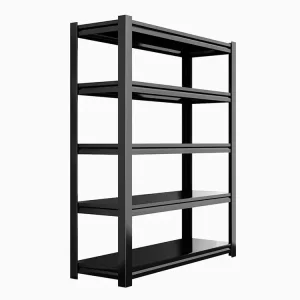
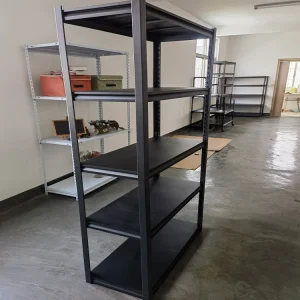
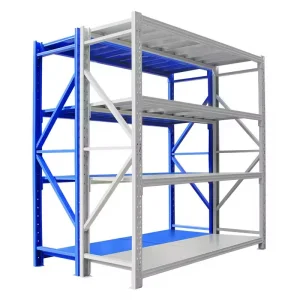
Explore our full line of corrosion-protected, certified rivet and shelf racking options for Japanese distribution centers.
Deep answers to critical structural engineering and import questions by our R&D department.
Get in touch with our engineering team for free CAD layouts, customized load calculations, and competitive factory-direct pricing for the Japanese market.
Send Inquiry Now Aliracking