Premium grade structural assets optimized for integration with modular gravity feeds and automated sorting lanes across New Zealand logistics networks.
New Zealand's commercial supply chain presents unique operational challenges. Geographically isolated and spanning across two primary islands (North and South Islands), New Zealand businesses demand highly resilient, self-sustaining intralogistics networks. The primary economic drivers—ranging from massive dairy exports (concentrated in Waikato and Canterbury) and horticultural shipments (Bay of Plenty) to rapid-fulfillment e-commerce sectors centered in South Auckland (Wiri and Airport Oaks)—heavily rely on dynamic warehouse throughput.
To maintain high export velocities and bypass severe local labor shortages, Kiwi industries are aggressively modernizing their storage infrastructures. This includes transitioning from manual static shelving to conveyor-integrated structural racking systems. Industrial conveyors (gravity roller lines, belt-driven sortation lanes, and motorized pallet flows) act as the central nervous system of these logistics hubs. However, the structural backbone that supports these conveyors must be designed to withstand severe geographic conditions, particularly under New Zealand's stringent seismic safety requirements (NZS 1170.5 compliance standards).
"Integrating heavy-duty conveyor lines directly into multi-level storage racking is no longer a luxury for New Zealand exporters—it is a critical necessity to counter escalating industrial space costs and structural safety requirements in high-activity seismic zones."
Structural calculation parameters specifically tailored to endure lateral forces. All heavy-duty warehouse racking layouts must incorporate robust baseplates, overhead ties, and certified dynamic load limits.
Given the high moisture levels in horticultural cooling centers and dairy spray dryer plants, our systems feature hot-dip galvanized or dual-layer electrostatic powder coatings for maximum protection.
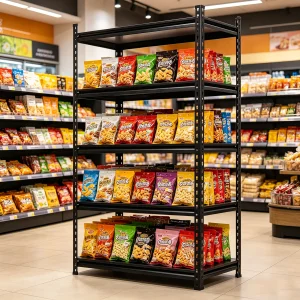
By marrying gravity-fed roller systems with multi-tiered pick modules, Kiwi distribution centers can boost order picking rates by up to 140% while saving precious warehouse floor area.
On a global scale, the material handling industry is undergoing a structural paradigm shift. The conventional isolation between conveyor lines (automation hardware) and industrial pallet racking (static steel structures) has dissolved. Today, the modern warehouse relies on *Intralogistics Convergence*—the complete spatial and mechanical integration of automated storage and retrieval systems (ASRS), autonomous mobile robots (AMRs), and motorized roller conveyors into unified heavy-duty steel matrices.
This convergence is driven by the rapid growth of cold-chain networks worldwide, demanding space-optimized blast-freezer rack designs, as well as the transition of e-commerce warehouses into hyper-local micro-fulfillment facilities. These modern facilities utilize high-speed overhead conveyors and vertical lifts supported by robust, structural cold-rolled steel columns. Global factories must now engineer their steel components to have tight structural tolerances (within 1mm deviation over 10m heights) to avoid mechanical jams of integrated high-speed shuttles and conveyor belts.
State-Of-The-Art Factory
Industrial Design Experience
Annual Global Export Value
Certified Production Quality
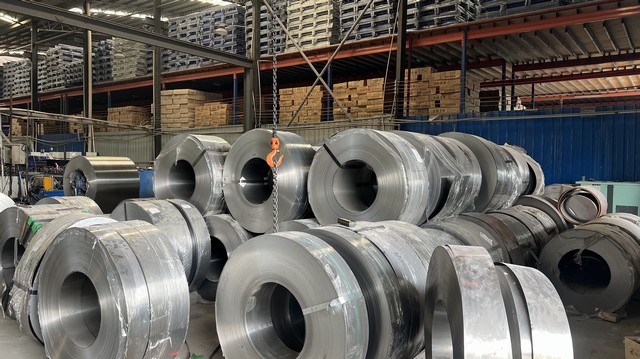
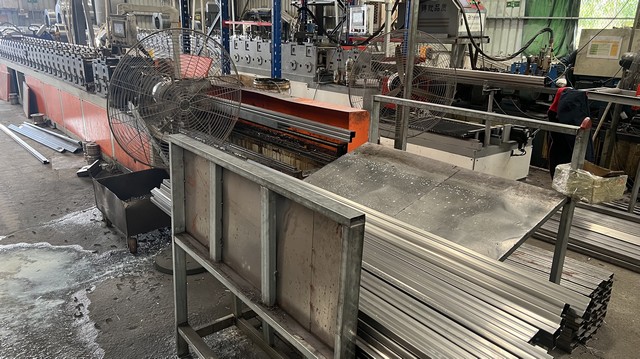
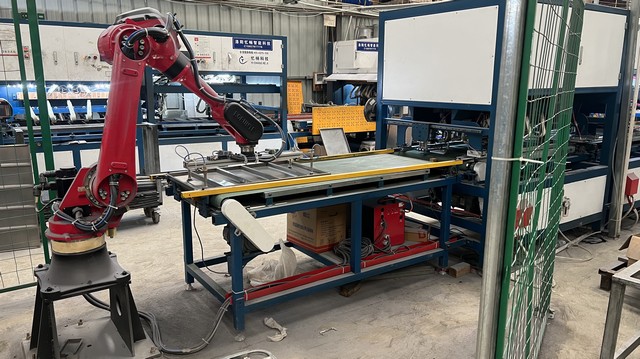
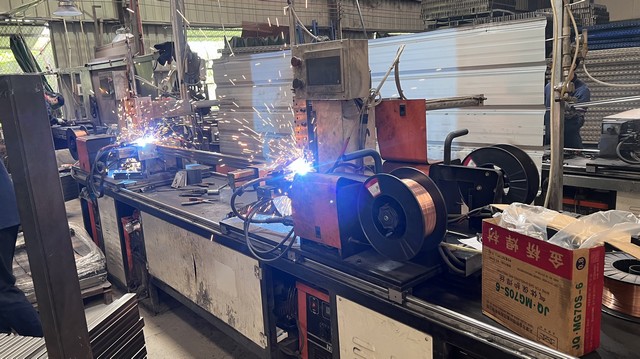
Established in 2015, Shenzhen Aliracking Industry Co., Ltd. has established itself as an authoritative manufacturer specializing in high-performance warehouse racking, heavy-duty industrial shelving, and specialized structural frames compatible with automated conveyor installations. Our massive 35,000 m² manufacturing plant runs automated cold-rolling mills, state-of-the-art multi-station powder coating lines, and precision welding equipment.
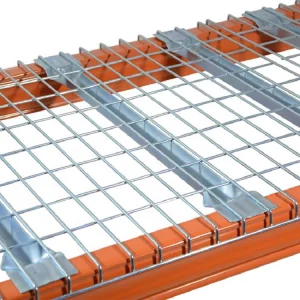
With more than 12 years of industry experience and 8 years of direct export expertise to demanding markets like New Zealand, Australia, North America, and Western Europe, we understand that structural integrity translates to workplace safety. Every beam, upright frame, and mesh deck is designed using premium structural steel grades (such as Q235B and Q355B) and undergoes rigorous QA/QC protocols.
Our in-house design team comprises 15 R&D engineers and 28 QA/QC specialists, who released over 45 new structural products last year to support modern logistics applications. We coordinate with third-party inspectors to execute non-destructive testing (NDT), ensuring all welds and load-bearing profiles are fit for service. This level of quality control supports our global distribution networks and guarantees that our products reliably interface with heavy material handling equipment.
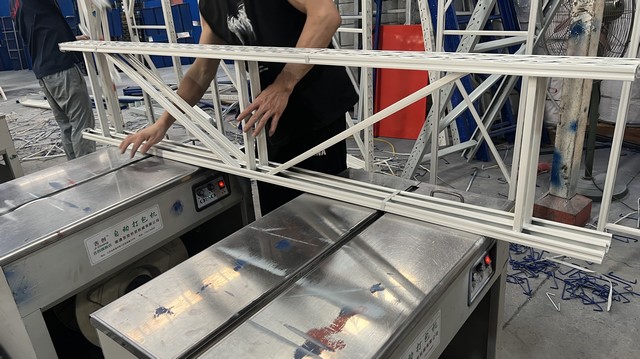
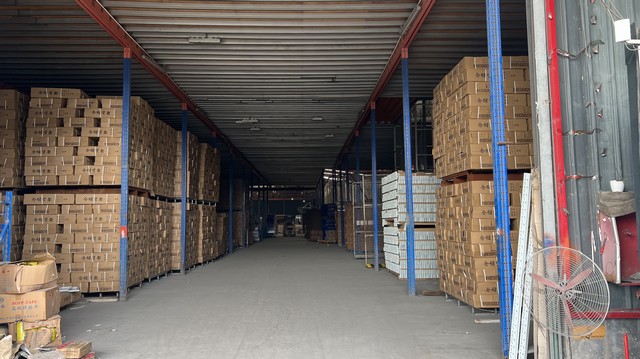
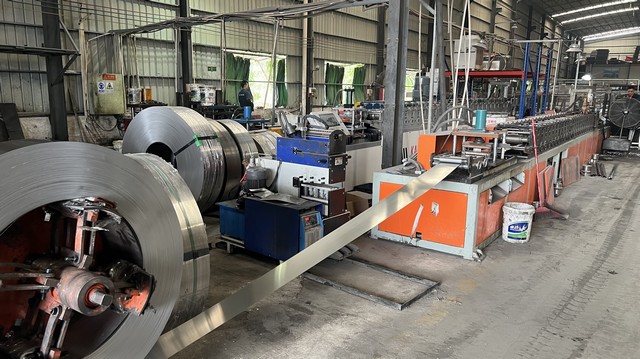
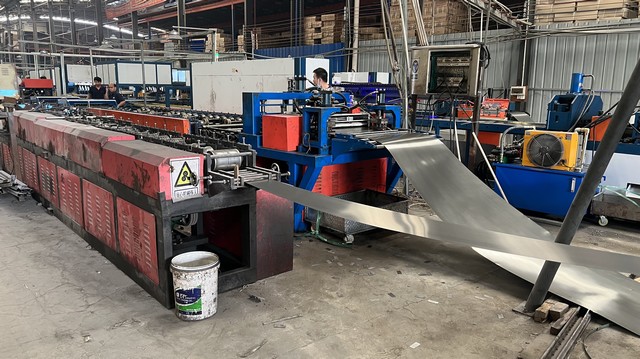
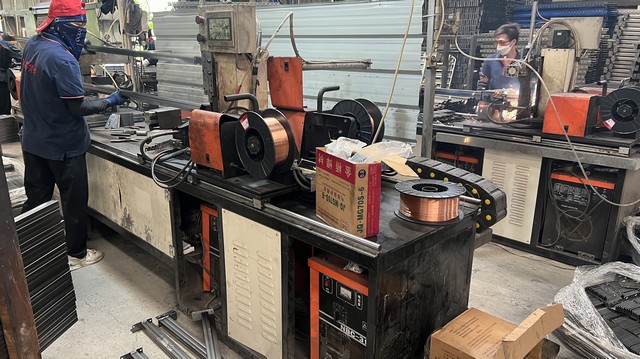
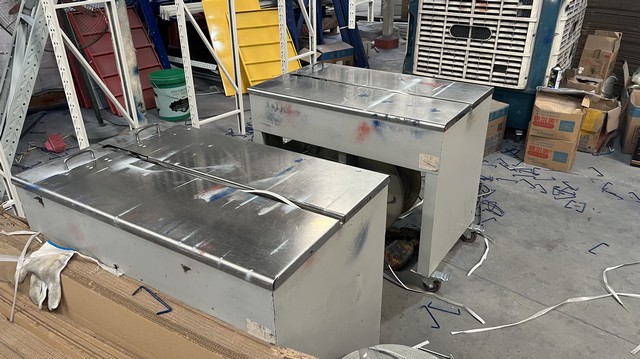
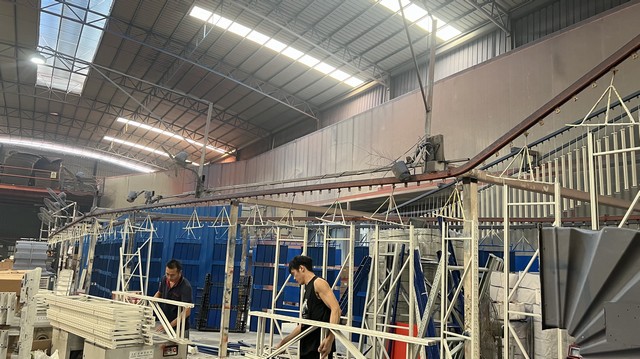
Standard catalog storage structures rarely suffice for modern, high-throughput commercial applications. By designing specialized modular components, Aliracking provides tailored solutions for New Zealand's key industry divisions:
As we look towards 2025 and beyond, warehouse engineering demands adaptable layouts. Future facilities will move away from fixed floor designs to rely on modular, reconfigurable structural frames. Our technical roadmap focuses on manufacturing structural products that easily integrate with IoT sensor tracks, smart energy recovery rollers, and lightweight structural steel profiles.
Additionally, eco-friendly surface coatings are becoming standard across international trade markets. Aliracking is leading this effort by utilizing zero-VOC powder-coating lines. These coatings deliver high impact strength and exceptional corrosion protection, all while maintaining a sustainable manufacturing footprint. Our engineering team continuously refines upright geometry patterns to reduce steel raw-material consumption while preserving maximum structural load capacity.
Expert answers regarding compliance, material composition, load calculations, and transport logistics to New Zealand.
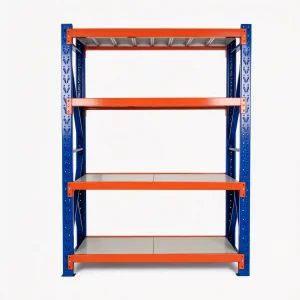
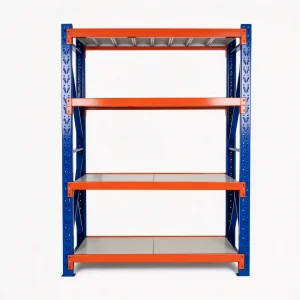
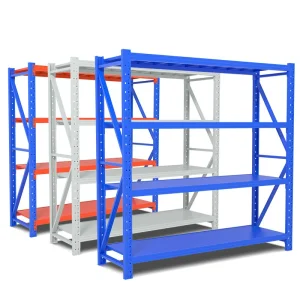
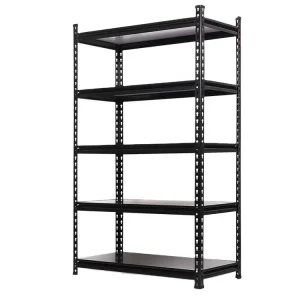
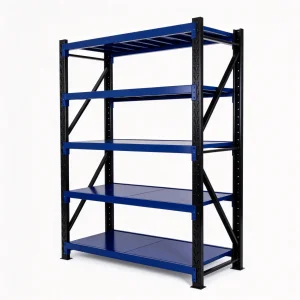
Heavy-duty structural systems engineered to carry heavy pallet loads, dynamic conveyor run-outs, and dense pick shelves.
 Aliracking