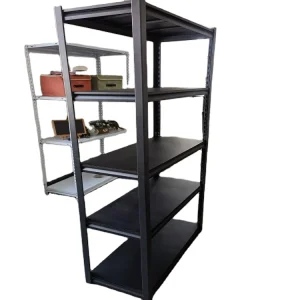
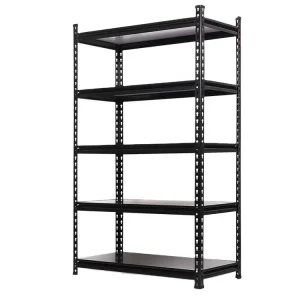
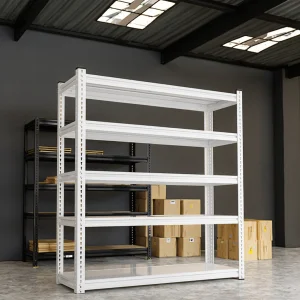
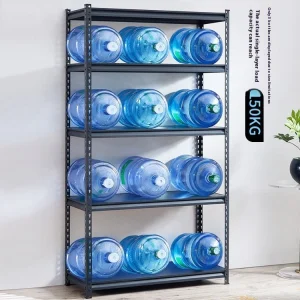
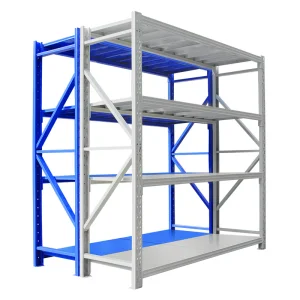
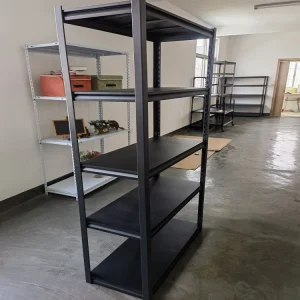
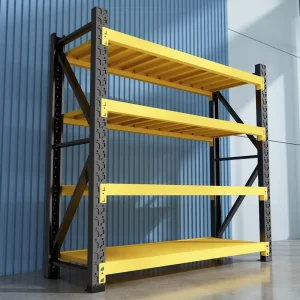
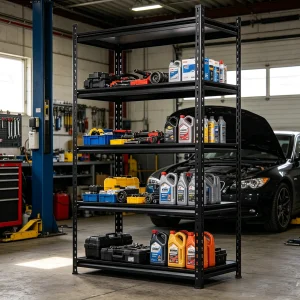
Heavy-duty structural storage rack variants designed to support overhead conveyor units, sortation interfaces, and high-density material flow operations.
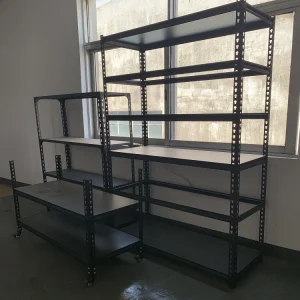
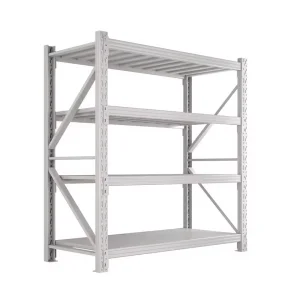
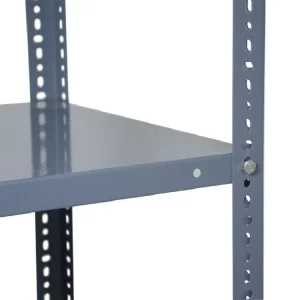
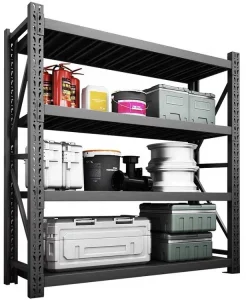
Analyzing the macro-economic forces shifting the Marmara region towards automated conveyor systems and structural high-density warehousing.
Istanbul, positioned at the geopolitical intersection of Europe and Asia, has evolved from a historical trading post into one of the most vital global logistics corridors. The rapid growth of modern consumer markets, coupled with Turkey's expanding industrial capacity, has forced warehouse operators in industrial zones like Hadımköy, İkitelli, Tuzla, and Gebze to re-evaluate their material handling efficiencies. As real estate prices in the Marmara basin escalate, the vertical expansion of warehouses integrated with complex automated conveyor systems has transitioned from an operational luxury to a structural necessity.
With major domestic and international e-commerce platforms (such as Trendyol, Hepsiburada, and Amazon Turkey) developing mega-fulfillment centers across Istanbul’s periphery, the demand for high-throughput conveying systems has surged. These facilities handle millions of stock-keeping units (SKUs) daily, demanding highly precise sortation systems, MDR (Motorized Driven Roller) conveyors, and multi-tier pick towers. The mechanical integration of these high-velocity conveyors requires ultra-stable, seismic-certified structural steel support frameworks—a specialized domain where Shenzhen Aliracking partners with local Turkish engineering teams to deliver safe, resilient infrastructure.
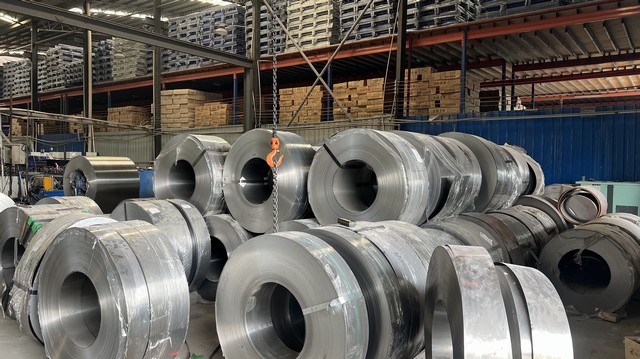
Istanbul is situated in a high-seismic activity zone near the North Anatolian Fault. This geological reality profoundly impacts how industrial warehouses, conveyor loops, and heavy racking systems are engineered. Unlike static shelving, automated conveyor lines experience continuous dynamic forces—vibrations, torque during acceleration, and directional inertia from sorting mechanisms. When combined with the high-load capacity of multi-level racking systems, these forces must be modeled meticulously using Finite Element Analysis (FEA). Structural components require grade-A cold-rolled steel, heavy-duty baseplates, and robust anchor bolts to guarantee seismic structural integrity without compromising the absolute alignment required by belt and roller sortation systems.
Modern warehouse automation cannot exist in silos. Our product catalog is engineered specifically to form the physical foundation for advanced automation, facilitating a seamless bridge between automated conveyor operations and structural racking systems.
1. Deflection Limits: Automated sorting conveyors fail if the support steel deflects more than L/500 under load. Our roll-formed uprights ensure maximum rigidity.
2. Vibration Isolation: High-speed roller conveyors generate high-frequency micro-vibrations. Our boltless connections can absorb and damp structural harmonics.
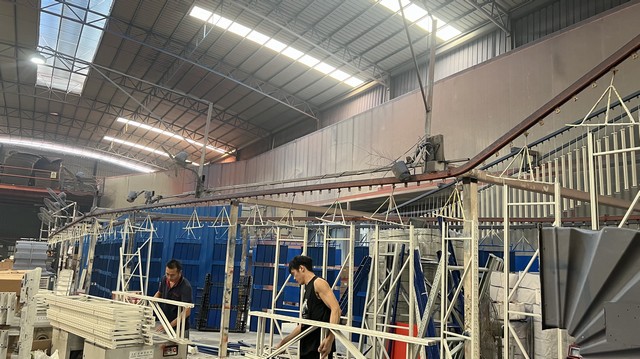
3. Powder-Coated Durability: In high-humidity coastal zones like Istanbul, electrostatic powder coating provides the essential corrosion protection to prevent chemical wear on support legs.
Why global procurement managers in Turkey choose Shenzhen Aliracking for integrated structural components.
While local Turkish manufacturing serves standard steel requirements, advanced racking designs that integrate directly with conveyor networks demand ultra-precise tolerances, specialized metallurgy, and massive economies of scale. Sourcing raw components and structural framing from Shenzhen Aliracking offers significant advantages to Turkish buyers:
Established in 2015, we deliver robust, high-density storage systems to businesses worldwide, backed by direct export expertise and strict QA protocols.
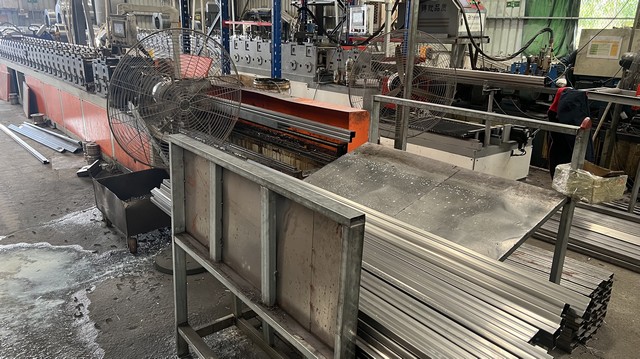
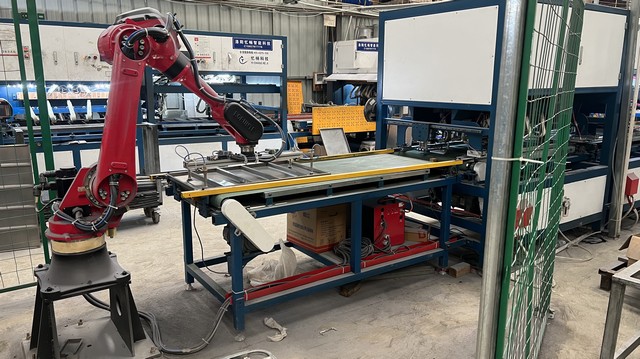
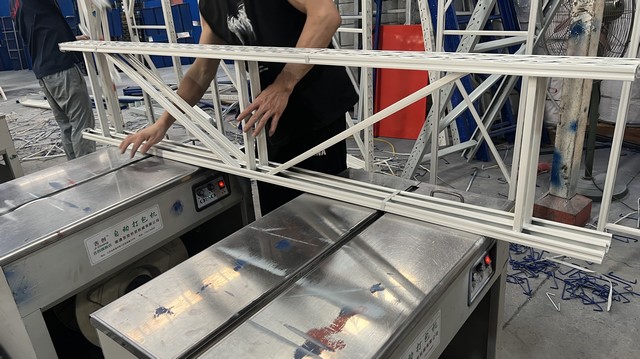
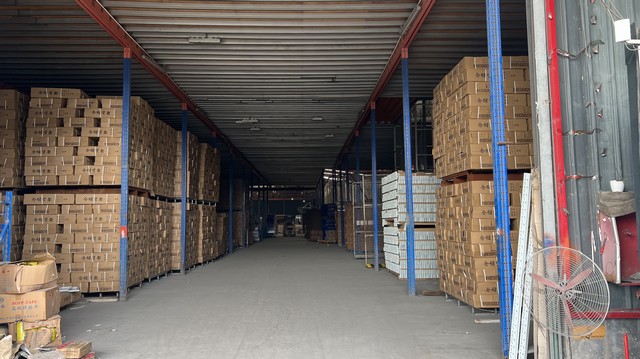
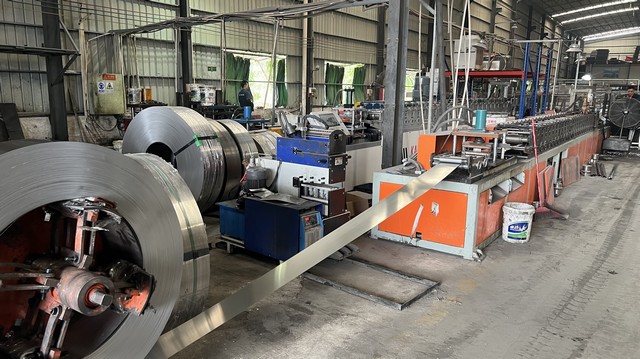
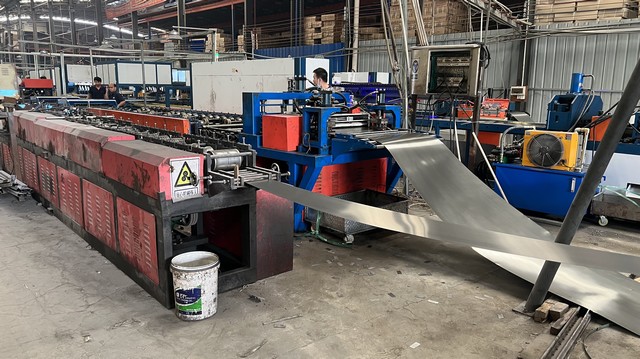
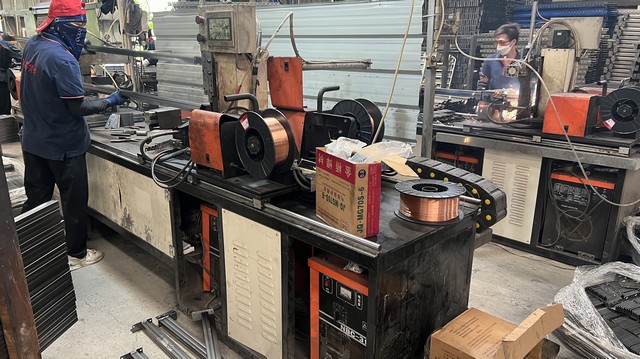
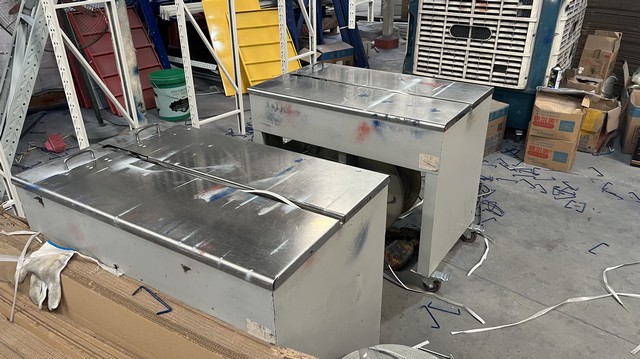
Shenzhen Aliracking Industry Co., Ltd. is a leading manufacturer specializing in high-performance warehouse racking and industrial storage solutions. Established in 2015, the company operates a state-of-the-art production facility covering an expansive area of 35,000 m². With over 12 years of industry experience and 8 years of direct export expertise, we deliver robust, high-density storage systems to businesses worldwide, generating an annual export revenue of $18 million.
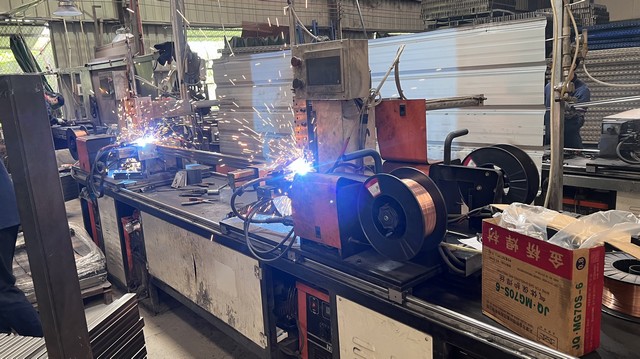
Quality and safety are at the core of our manufacturing philosophy. We implement rigorous ISO 9001 certified Quality Assurance (QA) protocols alongside comprehensive Third-Party On-Site Inspections and Non-Destructive Testing (NDT) for load-bearing components. Supported by a dedicated team of 28 QA/QC specialists and 15 R&D engineers, we released 45 new product designs last year alone. Our strong engineering capability allows us to offer extensive customization options, including tailored structural dimensions, customized load capacities, specialized powder coatings, and OEM/ODM services to meet complex logistics demands.
Backed by a solid Foreign Trade Corporation background and a strong network of over 850 supply chain partners, Shenzhen Aliracking serves a global customer base across North America, Europe, Southeast Asia, and the Middle East. Our primary clients include 3PL Logistics Providers, E-commerce Fulfillment Centers, Large Distribution Warehouses, and Industrial Manufacturers. We remain committed to optimizing space utilization and improving operational efficiency for warehousing enterprises across the globe.
Exploring the key innovations driving modern distribution facility layouts globally.
The intralogistics sector is undergoing a massive shift from manually operated material handling systems to autonomous and intelligence-driven workflows. To stay competitive in regions like Istanbul, where operational costs are rising, procurement managers are prioritizing the following trends:
Equipping conveyor rollers with IoT sensors enables real-time monitoring of bearing temperature, motor wear, and vibration. This data allows for predictive maintenance, preventing costly unplanned downtime. In the same way, load sensors placed within high-density racking networks ensure load distributions are within safe tolerances.
Unlike traditional, continuously running belt conveyor setups, MDR systems only power specific zones when a package is detected. This zero-pressure accumulation (ZPA) technique reduces electricity usage by up to 50%, lowers noise pollution, and decreases component wear—making it a key element of modern green warehouse projects.
Autonomous Mobile Robots (AMRs) are rapidly replacing fixed conveyance routes. Forward-thinking facility designs integrate static conveyor drops with robotic docking interfaces. This dynamic hybrid approach yields unmatched flexibility in seasonal operations, allowing businesses to adapt to fluctuating market conditions.
Technical insights on sourcing, engineering, and integrating conveyor racking systems in Turkey.
Every system designed by our engineers is calculated to withstand the specific static loads of the racking itself and the dynamic loads (including vibrations, weight shifting, and torque) exerted by the operating conveyor system. Additionally, our designs are optimized for the seismic characteristics of Istanbul, ensuring safety compliance under all local structural codes.
Yes. Our R&D team regularly designs custom support frames, bracket heights, and alignment configurations to interface with European and Turkish conveyor standards. We provide OEM/ODM services to match dimensions and powder coating specifications.
All our manufacturing processes run under strict ISO 9001 quality controls. We support and welcome third-party on-site inspections (such as SGS or TÜV) and Non-Destructive Testing (NDT) to ensure the steel grade, weld thickness, and powder coat finish match international standards.
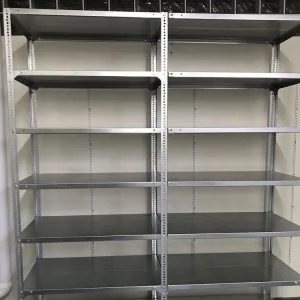
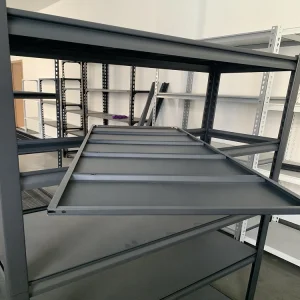
From modular boltless racking to heavy-duty industrial framing systems compatible with integrated logistics operations.
 Aliracking