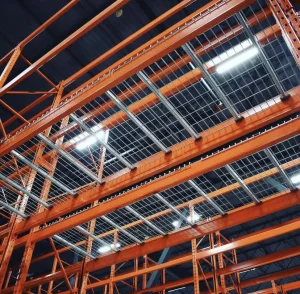
Engineered to elevate safety, optimize sprinkler coverage, and maximize load-bearing performance in Dutch logistics facilities.
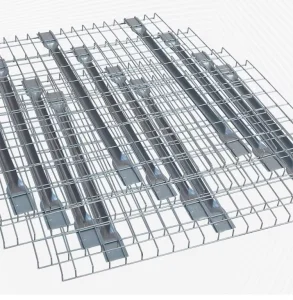
As Europe's premier logistics gateway, the Netherlands demands structural efficiency and uncompromising safety protocols in distribution networks.
The Netherlands serves as the foundational core of Western European supply chains. Key industrial hubs such as Venlo, Tilburg-Waalwijk, Rotterdam, and the Schiphol area handle massive volumes of import-export freight. Because land values in these industrial zones are among the highest in Europe, logistics operators are transitioning rapidly to high-bay racking systems, Very Narrow Aisle (VNA) designs, and Automated Storage and Retrieval Systems (ASRS).
This shift to verticality demands heavy-duty, reliable wire mesh decking. Standard wooden decks present considerable fire hazards and restrict sprinkler penetration. In contrast, heavy-gauge wire mesh decking facilitates overhead water dispersion and maximizes visibility, making it the preferred safety standard for modern Dutch distribution centers (DCs) and 3PL providers.
Operating a warehouse facility in the Netherlands requires strict compliance with local construction and labor regulations. Chief among these is the safety code for industrial steel storage systems (EN 15512), alongside localized fire-prevention mandates detailed in the PGS 15 guidelines (specifically targeting the storage of hazardous and packaged goods).
PGS 15 strictly regulates how fire protection systems interact with storage racking. In the event of a fire, sprinkler water must flow unimpeded through the racking levels. Our wire mesh decking features up to 70% open area, exceeding typical municipal requirements, ensuring that localized fire protection systems work flawlessly while protecting structural integrity from collapse.
Discover the structural innovations and metallurgy standards that make Alirack products a globally trusted industrial asset.
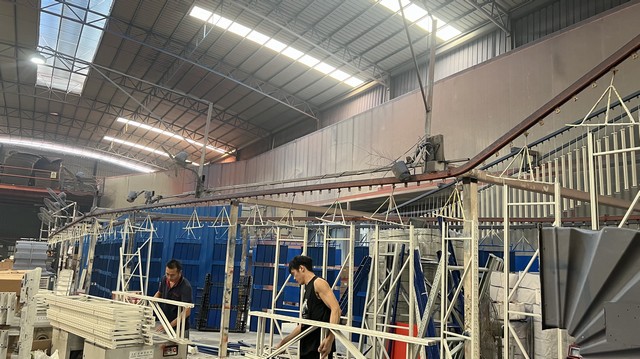
Wire mesh decking is subjected to constant impact, abrasion, and moisture. In cold storage units or maritime port warehouses, corrosion can degrade structural steel in less than three years. To counteract this, Aliracking offers three high-performance finishing options:
Provides a thick layer of zinc-iron alloys (typically >60 microns), offering sacrificial protection ideal for highly humid, unheated port warehouses or coastal storage environments in Rotterdam.
Delivers a smooth, aesthetically clean, and shiny silver-blue finish. Highly cost-effective for dry, temperature-controlled indoor logistics centers handling retail, consumer goods, and electronics.
Utilizes electrostatic thermosetting powder to yield a robust, scratch-resistant surface. Ideal for high-traffic environments where color-coded racking zones or food-grade storage properties are required.
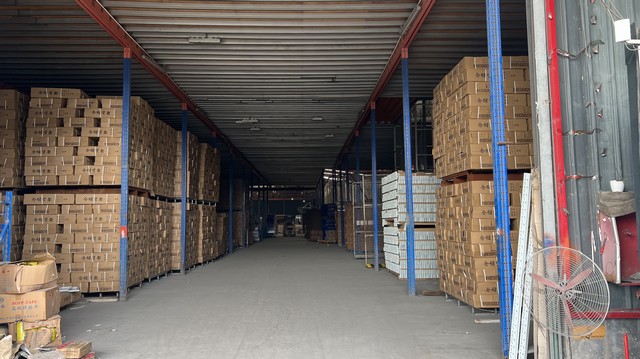
Shenzhen Aliracking Industry Co., Ltd. is a leading manufacturer specializing in high-performance warehouse racking and industrial storage solutions. Established in 2015, the company operates a state-of-the-art production facility covering an expansive area of 35,000 m². With over 12 years of industry experience and 8 years of direct export expertise, we deliver robust, high-density storage systems to businesses worldwide, generating an annual export revenue of $18 million.
Quality and safety are at the core of our manufacturing philosophy. We implement rigorous ISO 9001 certified Quality Assurance (QA) protocols alongside comprehensive Third-Party On-Site Inspections and Non-Destructive Testing (NDT) for load-bearing components. Supported by a dedicated team of 28 QA/QC specialists and 15 R&D engineers, we released 45 new product designs last year alone. Our strong engineering capability allows us to offer extensive customization options, including tailored structural dimensions, customized load capacities, specialized powder coatings, and OEM/ODM services to meet complex logistics demands.
Backed by a solid Foreign Trade Corporation background and a strong network of over 850 supply chain partners, Shenzhen Aliracking serves a global customer base across North America, Europe, Southeast Asia, and the Middle East. Our primary clients include 3PL Logistics Providers, E-commerce Fulfillment Centers, Large Distribution Warehouses, and Industrial Manufacturers. We remain committed to optimizing space utilization and improving operational efficiency for warehousing enterprises across the globe.
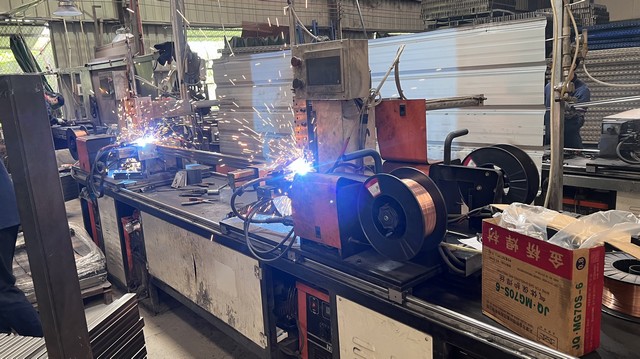
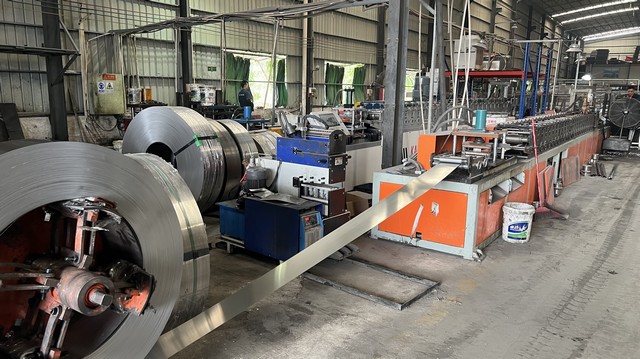
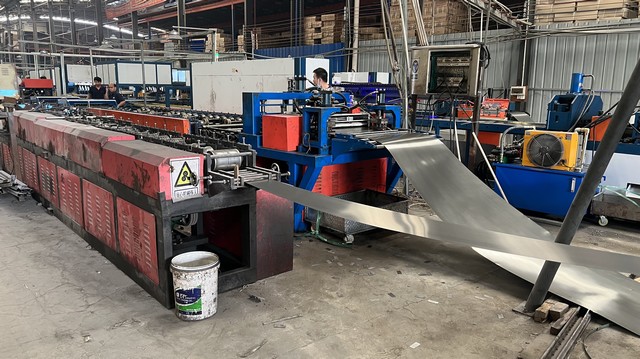
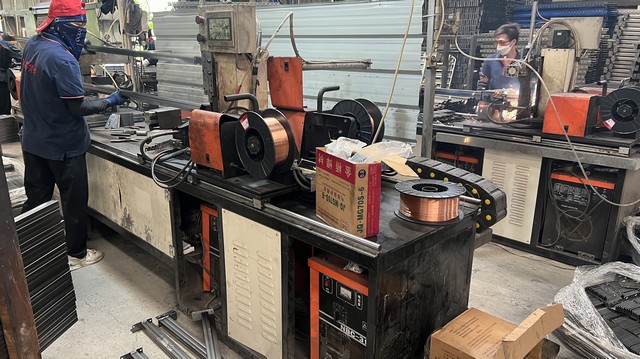
By leveraging raw materials directly from major steel centers in China and executing fully automated cold-rolling and continuous wire drawing processes, Shenzhen Aliracking can supply superior wire deckings at lower unit costs than localized European competitors.
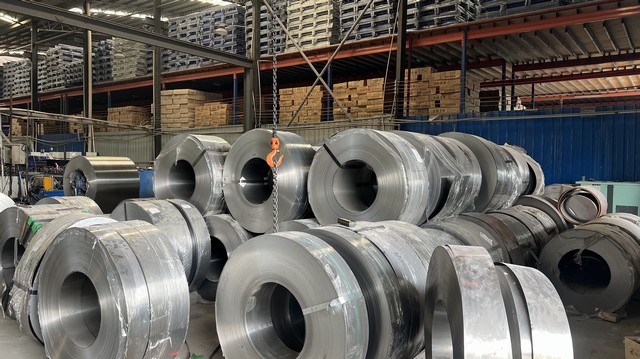
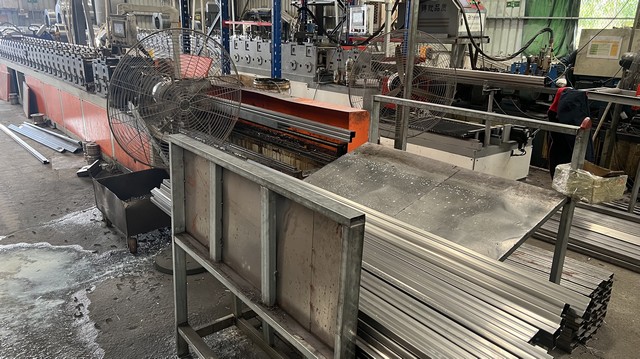
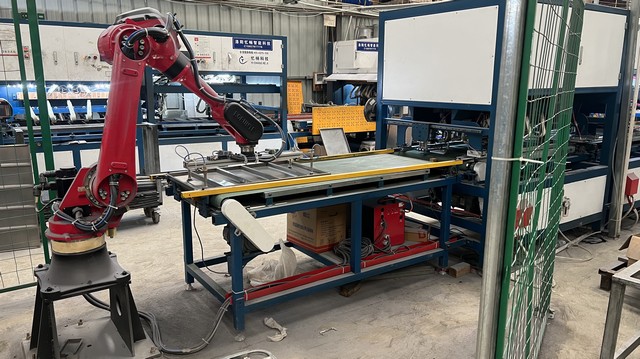
Configured for step beams, box beams, and open flange structures. Available in various capacities and wire gauges.
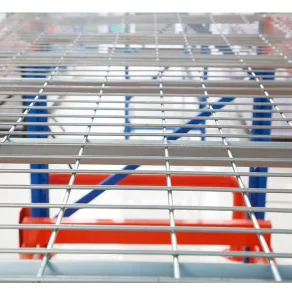
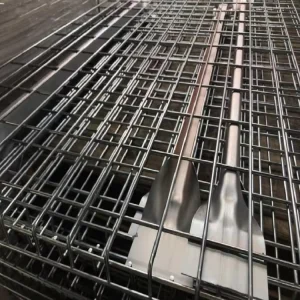
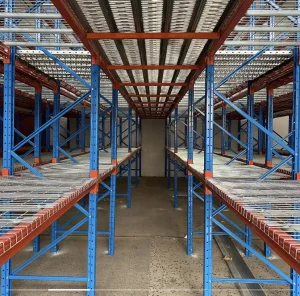
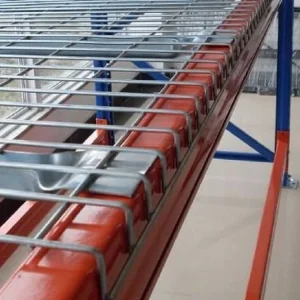
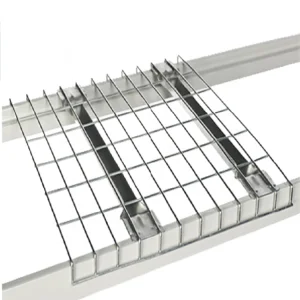
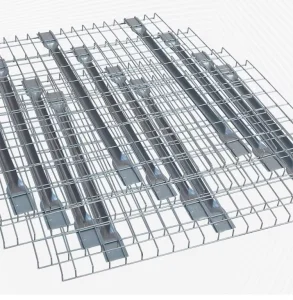
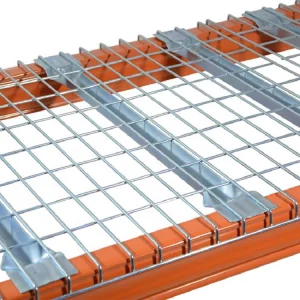
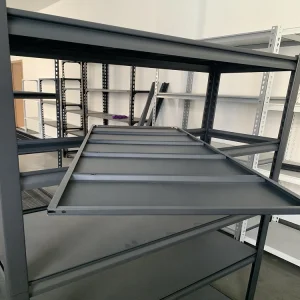
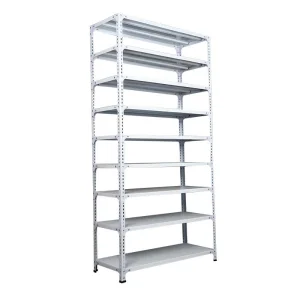
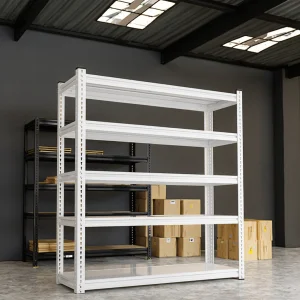
Providing robust, boltless, adjustable multi-tier racking options to support varying manual picking lines and small parts storage.
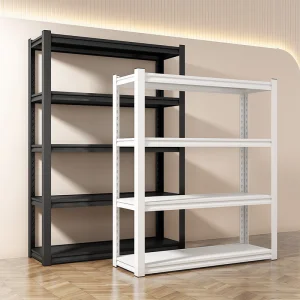
A deep dive into load profiles, structural components, and how mesh decking supports automation.
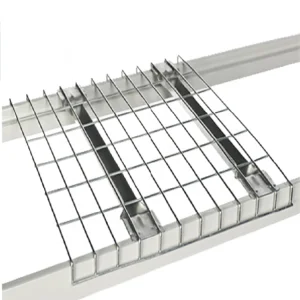
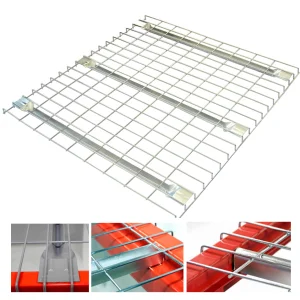
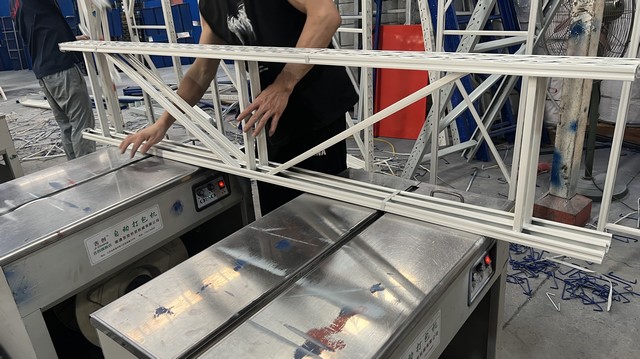
The structural reliability of wire mesh decking depends primarily on the design of its welded support channels rather than the wire grid itself. When pallets are lowered onto the rack, the load concentrated on the center of the span must be transferred to the main rack beams. We engineer three major channel configurations to facilitate this transition:
Choosing between a waterfall edge and a flush fit depends on the style of operation:
Waterfall Edges: The wire grid bends over the front and back of the racking beams, extending down by approximately 25-50mm. This configuration physically secures the decking in place, preventing shifting or sliding during forklift loading.
Flush Edges: Designed to sit entirely inside the top step of the beam. This style is critical for picking rows using hand-picking carts or automated retrieval equipment, eliminating any catch points along the rack profile.
With Dutch warehouse operations investing heavily in robotics (such as Automated Guided Vehicles and Autonomous Mobile Robots), wire mesh decks are critical structural components. Unlike solid steel or chipboard, wire mesh panels maintain high flatness tolerances under continuous loading. They provide consistent surface friction profiles and enable optical sensors on automated guided vehicles to scan rack space without receiving false reflections.
We work closely with structural engineering consultants across Benelux to guarantee that our designs meet Eurocode 3 specifications. We supply full technical documentation (material test certificates, tensile test charts, static calculation reports) to support safety audits conducted by local labor inspection agencies (the Nederlandse Arbeidsinspectie).
• Raw Material: Q235 High-Yield Low-Carbon Industrial Steel Wire
• Wire Diameters: 4.0mm, 4.8mm, 5.0mm, 6.0mm options
• Welding Spot Strength: Average shear force > 5.5 kN per weld joint
• Dynamic Load Compliance: Deflection ratios kept within 1/150 of span width
Get detailed answers on regulatory compliance, installation, load ratings, and sourcing logistics.
Whether you are designing a new fulfillment center in Venlo or upgrading an existing facility in Rotterdam, our engineering team can design, manufacture, and deliver the exact wire mesh decking solution you need.
 Aliracking